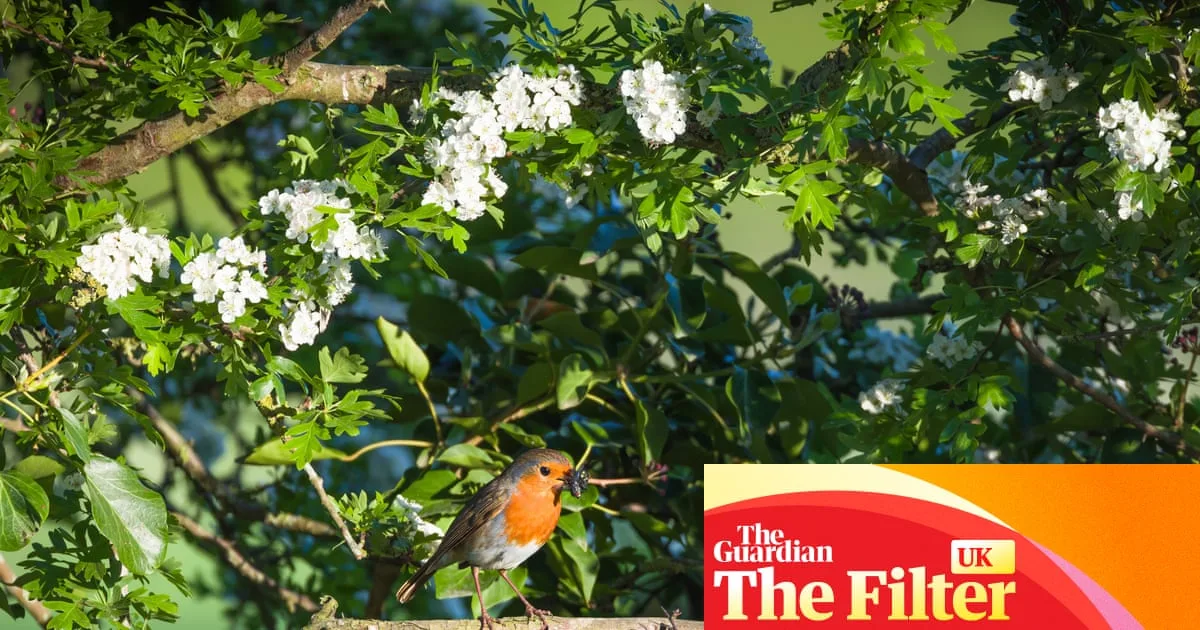
Spring is bursting with life, but experts warn that tidying up your garden too early can destroy vital habitats. Overwintering insects, larvae, pupae and eggs still lie sleeping in hollow stems and under fallen leaves. Removing them in a rush to neaten up means fewer birds and other wildlife later.
Instead, adopt a nature-friendly mindset. Take time to observe before cutting back. April marks the start of bird nesting season, so check for activity before using hedge trimmers. Hand shears are a quieter, more wildlife-conscious alternative to power tools, and they let you discover the creatures living in your hedge.
Water is the single most important resource you can provide. A simple pond with sloping edges and marginal plants, or even a container pond, offers essential drinking and bathing spots. Old plastic aquariums filled with leaves and rainwater create perfect breeding grounds for hoverflies like the marmalade hoverfly.
For smaller spaces, a dish of water with pebbles gives bees and butterflies a safe landing place. Installing a water butt provides free soft water for plants and can itself become a habitat if you add willow wands. On balconies or windowsills, sow wildflowers instead of herbs – they thrive in exposed conditions and attract bees even high up.
By leaving some mess and providing water and native plants, you create a sanctuary for wildlife. The result is a garden that feels more alive, with birds, bees and butterflies returning to enjoy the space you’ve shared.