Wood Burners Triple Indoor Pollution for Children, Welsh Study Reveals
Wood Burners Triple Indoor Pollution for Children in Wales

Wood Burners Triple Indoor Pollution for Children, Welsh Study Reveals

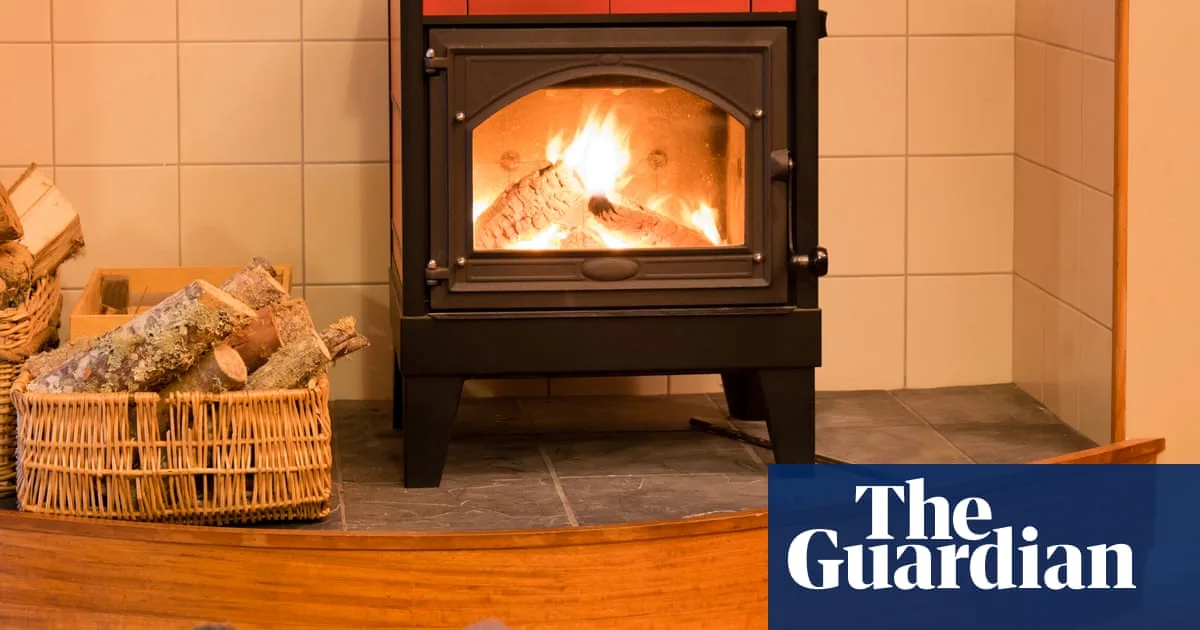
A groundbreaking study conducted in Wales has uncovered alarming findings about indoor air pollution, revealing that children living in homes with wood burners could be exposed to over three times more particle pollution than those in non-wood-burning households. The research, which focused on primary schoolchildren in Anglesey, highlights the home environment as the largest contributor to daily pollution exposure, surpassing both school and commuting activities.

Study Methodology and Key Findings

Fifty-three children from two primary schools in Anglesey, one in Holyhead and another in a rural area, were equipped with backpacks containing air pollution sensors. These devices monitored particle levels as the children carried them during their journeys to and from school and while at home. Dr. Hanbin Zhang from the University of Exeter, part of the study team, emphasized that the home environment stood out significantly, primarily due to indoor sources such as wood burning and indoor smoking.

Short peaks in particle pollution were linked to home cooking and secondhand tobacco smoke, while home heating with fires or stoves was associated with longer exposures. In some cases, pollution persisted overnight in children's bedrooms as fires remained lit or smouldered with poor ventilation, leading to sustained high levels of harmful particles.

Comparative Pollution Levels and Rural vs. Urban Contrasts

Professor Zhiwen Luo from Cardiff University, who led the study, provided stark comparisons: during home hours, the average particle pollution in non-smoking homes with wood burners was about 13 micrograms per cubic metre, compared with just 3.5 micrograms per cubic metre in non-smoking homes without wood burners. Although the study is small, the consistent contrast supports the conclusion that wood burning can substantially increase indoor particle pollution.

Interestingly, researchers found that urban children experienced less particle pollution on average than those at the rural school, challenging the common perception that towns and cities are the most polluted places. This difference was attributed to higher rates of wood burning in rural homes, with 53% of rural schoolchildren's households using wood burners compared to 21% in urban areas.

Health Risks and Broader Implications

The study's findings align with broader health concerns. A recent study in New Zealand pointed out the asthma risk for children in wood-burning homes, while a previous study of 50,000 US women found that those who used a wood burner at home had a 43% increased risk of lung cancer, regardless of smoking status. These risks underscore the urgent need for awareness and action on indoor air quality.

Working with the children was a crucial aspect of the Anglesey study. Dr. Shuangyu Wei from Cardiff University noted that helping children understand their own data prompted conversations and, in some cases, behavior change. Schools reported that parents began discussing the results spontaneously and trying to identify pollution sources within their homes.

Additional Pollution Sources and Policy Context

Cooking also contributed to measured air pollution, especially when backpacks were left close to kitchens. Short pollution peaks were recorded when children walked past bakeries and restaurants on high streets. Particle pollution inside schools was much lower than during travel and at home, and children who walked to school experienced less pollution than those driven, with parental smoking while driving producing the highest concentrations measured in the study.

The UK government is currently consulting on health warnings for new stoves and solid fuels, reflecting growing recognition of the risks associated with wood burning. This study adds weight to calls for stricter regulations and public education to protect children's health from indoor pollution sources.




