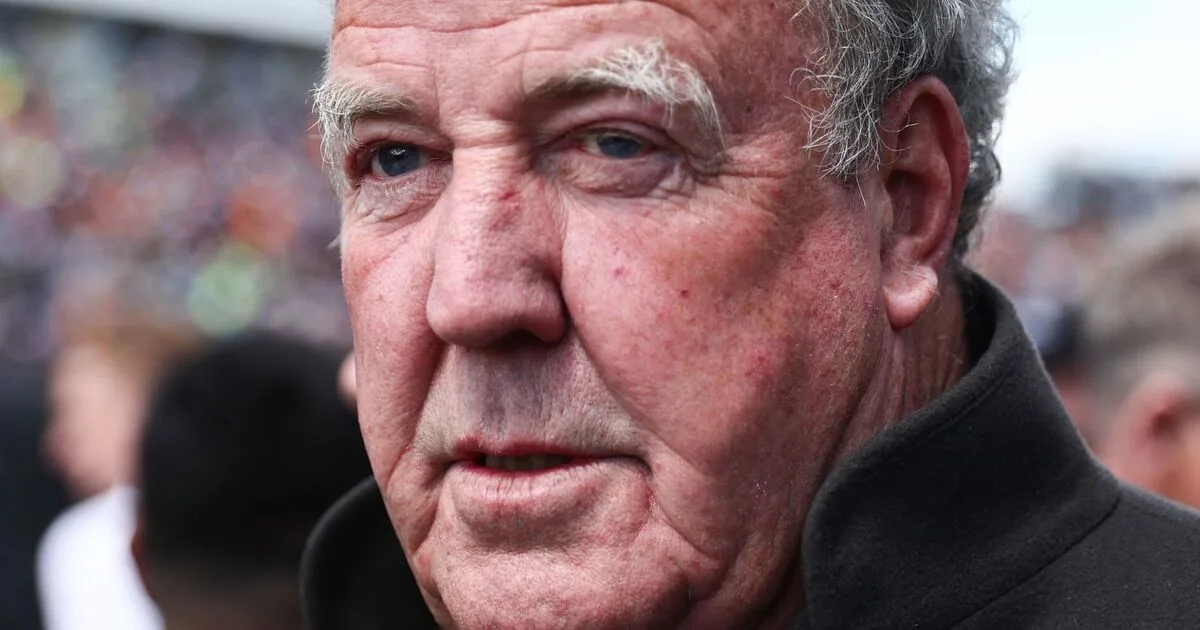
Jeremy Clarkson has taken aim at GB News, mocking the channel's current state and its handling of protest coverage. In a recent column for The Sunday Times, the Grand Tour presenter referred to the broadcaster as 'what's left of GB News' while discussing modern demonstrations.
He criticised GB News hosts for 'shouting' at guests, jokingly noting those who 'hadn't been sacked that week'. The remarks come weeks after the network parted ways with figures Laurence Fox and Calvin Robinson, following controversies.
Clarkson's column, titled 'What do we want? A big protest! When do we want it? All the time!', explored the evolution of public protests. He referenced the Labour Party conference incident where Sir Keir Starmer was glitter-bombed by activist Yaz Ashmawi, orchestrated by the group People Demand Democracy.
He suggested that protests were once more orderly, lamenting: 'Now, when you run into a placard-waving mob, half the time you've absolutely no idea what their beef is.' Clarkson added that clarity would come when protesters appear on 'what's left of GB News to explain themselves'.
He also questioned Ashmawi's declaration 'We demand a people's house', and criticised the modern trend of inventing new issues on social media, calling it a departure from what has 'been considered normal for four million years'.