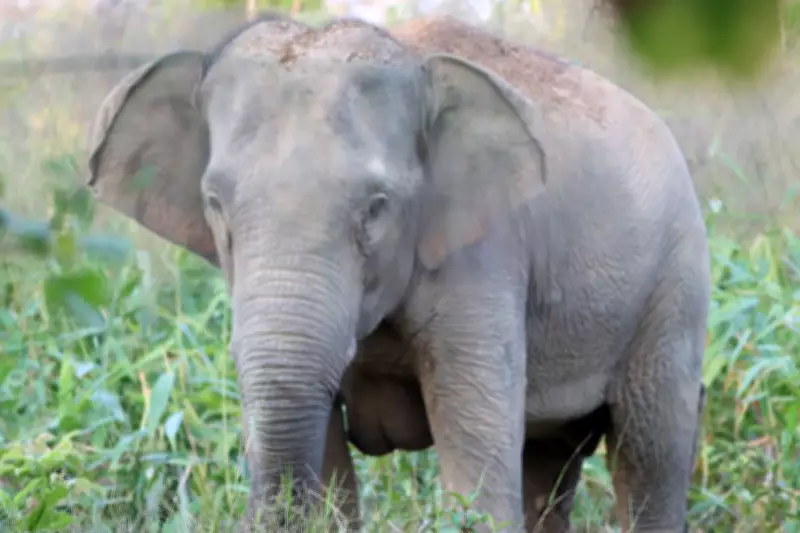
Thailand Implements Elephant Birth Control Vaccine to Address Deadly Human-Wildlife Conflicts
Thailand has initiated a groundbreaking program to administer a birth control vaccine to wild elephants in an effort to mitigate escalating and often fatal confrontations between humans and these majestic animals. This strategic intervention comes as official statistics reveal a disturbing toll: last year alone, wild elephants were responsible for killing 30 people and injuring 29 others across the nation.
Encroachment and Conflict: A Growing Crisis
The root cause of this intensifying conflict lies in the mutual encroachment of human and elephant populations. As agricultural farms expand deeper into forested regions, elephants are being progressively squeezed out of their natural habitats. This habitat loss forces the animals to venture into human settlements in search of sustenance, leading to dangerous encounters.
Official data further underscores the scale of the problem, documenting over 2,000 incidents of elephants damaging crops annually. Sukhee Boonsang, Director of the Wildlife Conservation Office, emphasized the urgency of the situation, stating that controlling the wild elephant population has become an imperative as their numbers in proximity to residential areas surge dramatically.

The Science Behind the Contraceptive Initiative
The conservation office secured 25 doses of a vaccine manufactured in the United States. Prior to deployment in the wild, a comprehensive two-year trial was conducted on seven domesticated elephants, consuming seven doses. The results were highly promising, paving the way for field application.
Sukhee explained the vaccine's mechanism: it does not inhibit female elephants from ovulating but effectively prevents the fertilization of eggs. In late January, the program commenced with the vaccination of three wild elephants in the eastern Trat province. Authorities are currently assessing which additional high-conflict zones to target next as they prepare to utilize the remaining 15 doses.
The vaccine offers a reversible solution, providing contraception for a period of seven years. Elephants can regain their reproductive capabilities if they do not receive a booster shot after this timeframe. Throughout the seven-year duration, experts will conduct meticulous monitoring of the vaccinated elephants to assess the program's efficacy and impact.
Targeted Approach and Conservation Concerns
The program is specifically targeted, focusing solely on wild elephants residing in areas with the most severe rates of violent human-elephant conflict. Sukhee clarified that these regions, home to approximately 800 of the nation's estimated 4,400 wild elephants, exhibit an annual birth rate of about 8.2%—more than double the national average of 3.5%.
"If we don't take action, the impact on people living in these areas will continue to grow until it becomes unmanageable," Sukhee warned, highlighting the program's preventative rationale.
However, the vaccination drive has not been without controversy, drawing criticism from some quarters who fear it may inadvertently undermine broader elephant conservation efforts. Elephants hold profound cultural significance in Thailand, with a centuries-old tradition of domestication for farming and transport, and they are officially recognized as a national symbol.
Supplementary Measures and a Tragic Setback
In addition to the contraceptive vaccine, authorities are implementing a multi-faceted strategy to reduce conflict. These supplementary measures include creating additional water and food sources within forest habitats, constructing protective fencing around vulnerable areas, and deploying rangers to safely guide stray elephants back into the wild.
The challenges of human-elephant coexistence were starkly illustrated earlier this month during a court-ordered relocation operation in northeastern Khon Kaen province. The effort, intended to move elephants that had repeatedly clashed with locals, sparked public outcry following the death of one elephant.

An initial autopsy indicated the elephant died from choking after anesthesia was administered prior to the move. The Department of National Parks, Wildlife and Plant Conservation, which carried out the relocation, expressed regret over the incident. Its director general, Athapol Charoenshunsa, insisted that established protocols were followed correctly and announced an ongoing investigation to prevent similar tragedies in the future.
This comprehensive approach, combining population management through vaccination with habitat enhancement and conflict mitigation tactics, represents Thailand's complex balancing act between safeguarding its human communities and preserving its iconic wild elephant populations.