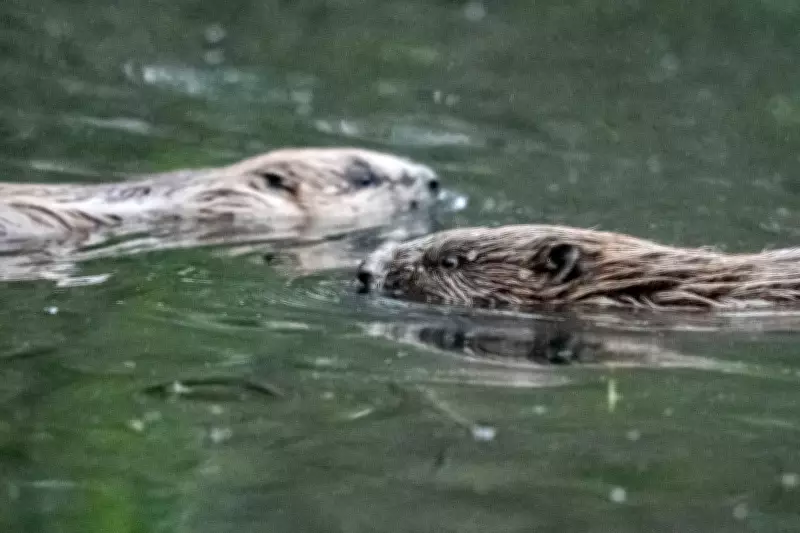
In a landmark move for British wildlife conservation, beavers have been legally reintroduced to two sites on the National Trust's Holnicote Estate in Somerset. This initiative aims to revitalise local river and wetland ecosystems, leveraging the natural engineering skills of these remarkable creatures to enhance biodiversity and environmental resilience.
Historic Reintroduction Details
The reintroduction involved a family group consisting of a mother and three offspring, alongside a separate pair of Eurasian beavers. This marks the second licensed wild release by Natural England specifically for the National Trust, underscoring a growing commitment to restoring native species that have been absent for centuries.
Expert Insights on Beaver Benefits
Ben Eardley, project manager at the National Trust, emphasised that beavers serve as extraordinary partners in nature restoration. He highlighted their ability to create diverse habitats, buffer against floods and droughts, and significantly improve water quality through their dam-building activities. These ecological services are seen as crucial for addressing modern environmental challenges such as climate change and habitat loss.

Legal and Historical Context
Beavers became extinct in Britain over 400 years ago, but they gained legal protection in 2022, following years of advocacy by conservationists. This protection has paved the way for their licensed return to the wider English countryside, with the Somerset release representing a key milestone in these efforts. The move is part of a broader strategy to reintroduce species that can naturally manage landscapes and support ecosystem health.
Government Support and Future Implications
Nature minister Mary Creagh praised the reintroduction, stating that beavers are brilliant for biodiversity, reduce flood risk, and improve water quality. She noted that this aligns with the government's mission to protect and restore nature across the UK. The release is expected to have positive ripple effects, potentially inspiring similar projects elsewhere and contributing to national conservation goals.
Overall, the reintroduction of beavers to Somerset signifies a proactive step towards ecological restoration, harnessing the power of keystone species to foster healthier, more resilient natural environments for future generations.