Australia's Renewable Energy Transition Gains Momentum
Australia is undergoing a significant transformation in its energy sector, with renewable sources like solar and wind power taking centre stage in the nation's electricity grid. This shift marks a pivotal moment in the country's efforts to reduce carbon emissions and embrace sustainable power generation.
The Rise of Solar and Wind Power
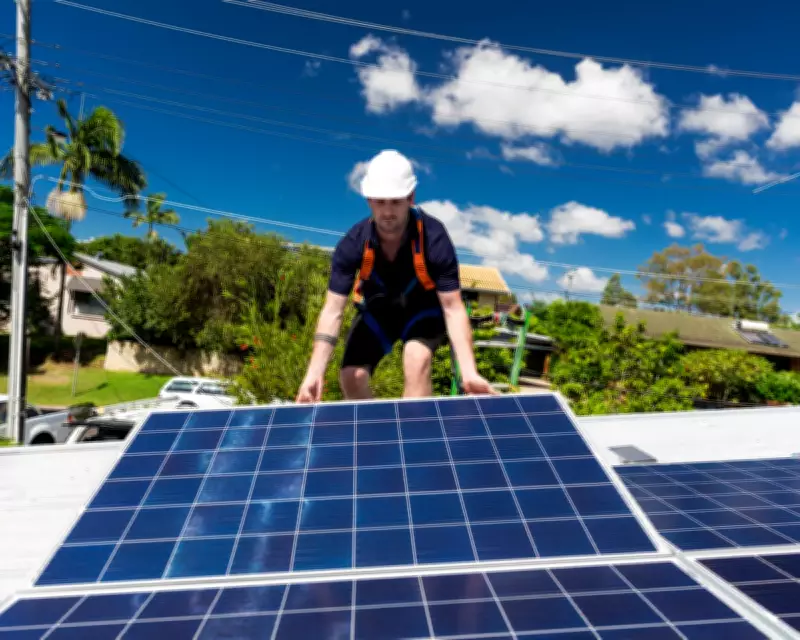
In recent years, Australia has seen a dramatic increase in the deployment of solar panels and wind turbines across its vast landscape. These technologies are now contributing a substantial portion of the country's electricity, challenging the traditional dominance of coal and gas. The rapid adoption is driven by falling costs and strong government support for clean energy initiatives.
This transition is not just about environmental benefits; it also presents economic opportunities, including job creation in the renewable sector and potential for energy exports. However, the move away from fossil fuels poses challenges, such as managing grid stability and ensuring reliable power supply during periods of low renewable output.

Implications for the Global Energy Landscape
As a major resource-rich nation, Australia's energy transition has broader implications for global markets and climate policy. Success in this area could serve as a model for other countries seeking to decarbonise their economies while maintaining energy security.
The pace of change highlights the growing importance of innovation and investment in energy storage and grid management technologies to support the integration of intermittent renewable sources.