Six months after a nationwide ban came into force, incorrectly discarded vapes are still causing more than one fire every single day at waste processing facilities across the United Kingdom. Major waste management firms have issued a stark warning, revealing that a lack of public awareness is undermining the legislation designed to protect both people and the environment.
A Sticking-Plaster Solution
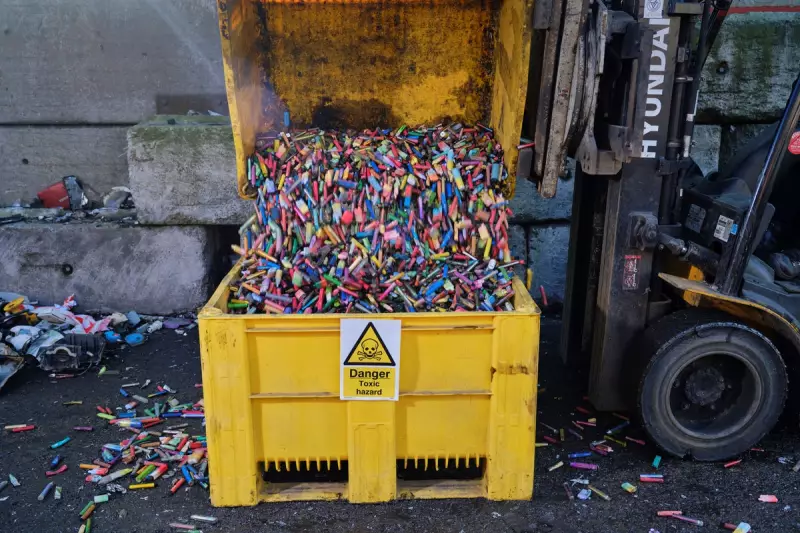
Waste giant Suez reported to the BBC that it has experienced 339 fires this year across its network of over 300 sites, a figure directly linked to vape disposal. The core of the problem lies in the lithium batteries inside the devices, which can explode or ignite when crushed by machinery in refuse lorries or at recycling centres.
Adam Read, chief sustainability and external affairs officer at Suez, stated that "vapes are still an all-too-common sight dumped on the street, in bins and at recycling centres across the country." He characterised the ban, which began this summer to curb sales to children and reduce waste, as merely "a sticking-plaster solution" to a much larger issue.

Mounting Numbers and Rechargeable Risks
Evidence suggests the problem is not diminishing. Biffa, the country's largest waste management company, disclosed that an average of 7,000 vapes per day – nearly 300 every hour – are entering its recycling and waste centres. Surprisingly, since the disposable vape ban started, Biffa has recorded an increase in all types of vapes at four of its major sites in Teesside, Walsall, Ipswich, and North London.
Craig Konczak, Business Director at Biffa, provided detailed figures: between April and May, 401,000 incorrectly discarded vapes were handled at four key facilities. This number rose to 447,000 between August and September. Spot sampling revealed that 78% of the vapes found were the rechargeable type, not single-use. This incorrect disposal led to 31 fires at its facilities between June and September alone.
The Persistence of 'Convenience Culture'
Industry leaders point to a persistent "convenience culture" among consumers as the driving force behind the dangerous trend. Mr Konczak explained that many users find it easier and often cheaper to simply throw away a rechargeable vape and buy a new one, rather than seek out replacement parts or proper recycling points.
The consequences are severe, posing serious risks of harm to waste workers, damaging expensive equipment, and causing significant service disruptions. The fires also present a clear environmental hazard.
The clear advice from experts is that all vapes, whether disposable or rechargeable, must be recycled responsibly. Consumers can return old devices to any retailer that sells vapes or take them to a dedicated household waste recycling centre, ensuring the hazardous lithium batteries are processed safely and kept out of general waste streams.