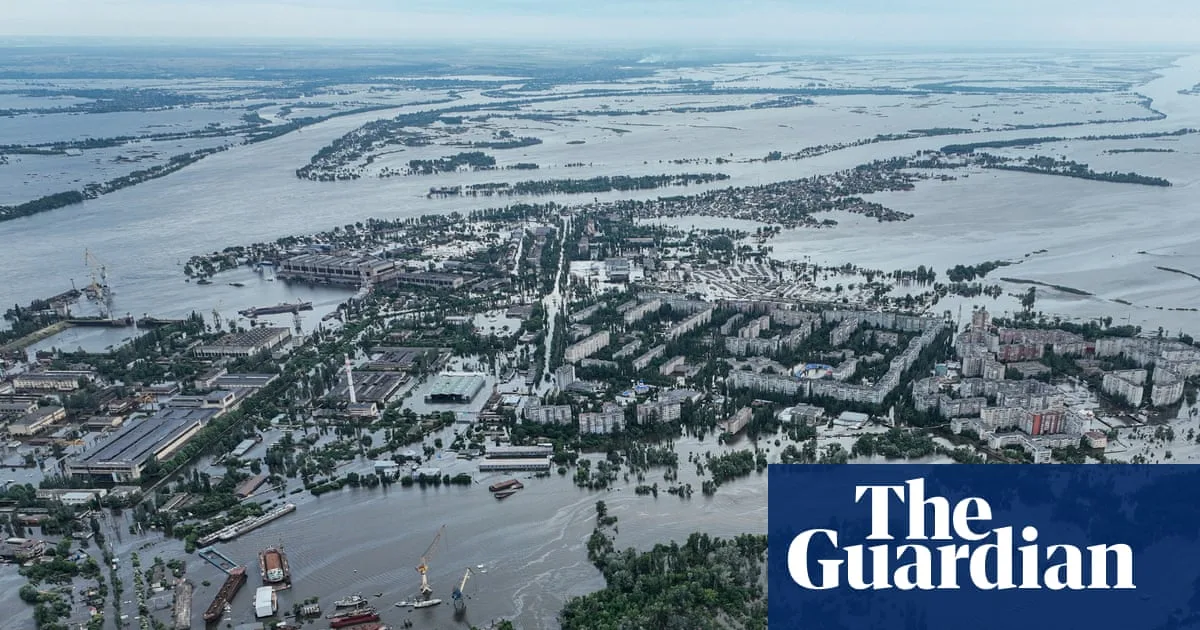
Water-related violence has almost doubled since 2022, with 419 incidents recorded in 2024 compared to 235 in 2022, according to the Pacific Institute, a US-based thinktank. Experts attribute the rise to the climate crisis, corruption, state failure, and lack or misuse of infrastructure.
Dr Peter Gleick, co-founder and senior fellow at the institute, said conflicts are increasingly multicausal. “The climate crisis and extreme weather play a part but there are lots of other factors such as state failure and incompetent or corrupt governments, and lack of or misuse of infrastructure,” he said. Joanna Trevor, Oxfam’s water security lead, noted a rise in localised conflicts over water due to climate change and water insecurity.
Recent examples include tensions over the Indus River water-sharing treaty between India and Pakistan, Russia targeting hydropower dams in Ukraine, Israel destroying Gaza’s water systems, and protests over water supplies in South Africa. In Gaza, Trevor said water was systematically weaponised, with deliberate targeting of water systems and desalination plants, while people faced attacks while queuing for water.
In east Africa and the Sahel, water insecurity is driving migration, which can trigger competition and conflict with host populations. Politics has also intensified fragile situations, such as along the US-Mexico border, where treaties governing the Colorado and Rio Grande rivers became more contentious under the Trump administration, leading to fatalities during a protest in Mexico.
Gleick highlighted lesser-known disputes in central Asia, including tensions over water in Uzbekistan, Tajikistan, and Kyrgyzstan, and Afghanistan’s construction of the Qosh Tepa canal, which could reduce flows to central Asian republics. The UN predicts global freshwater demand will exceed supply by 40% by 2030, with Unesco noting that only a fifth of countries have cross-border agreements to share resources equitably.
Trevor called for more accountable transboundary treaties that secure the human right to water. Gleick remains cautiously optimistic: “We can solve our water problems – I don’t argue that we will or that we will do it soon, but we can.”