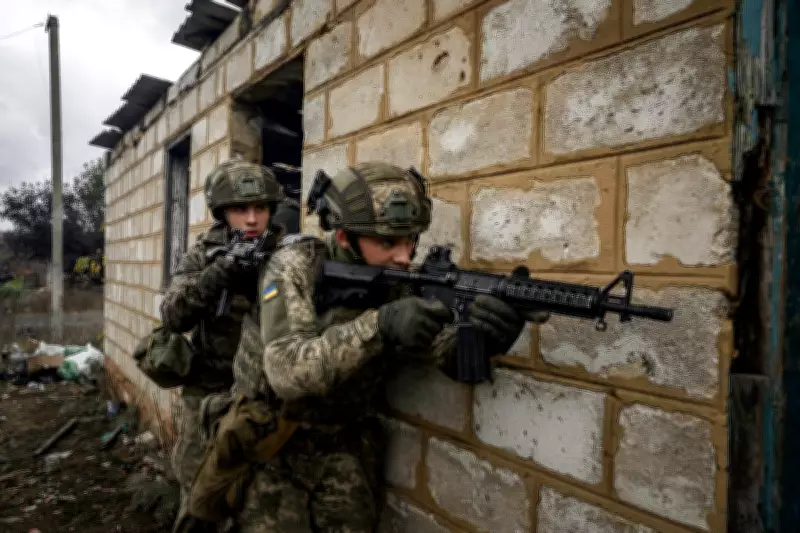
Ukrainian military forces have delivered a significant blow to Vladimir Putin's strategic ambitions, reclaiming vast swathes of territory and effectively dismantling Russia's planned "buffer zone" in eastern Ukraine. Senior General Oleksandr Komarenko announced that Ukrainian troops now control almost the entirety of the Dnipropetrovsk region after liberating approximately 400 square kilometres through coordinated counterattacks.
Strategic Setback for Moscow
General Komarenko explained that this territorial gain directly undermines Russia's attempted strategy of seizing a strip of territory beyond its stated claims in the Donbas region. Moscow had intended this captured land to serve as a defensive "buffer zone" while supporting further offensive operations deeper into Ukrainian territory. The successful Ukrainian counteroffensive has left this plan in tatters, representing one of the most substantial strategic setbacks for Russian forces in recent months.
International Diplomacy and Military Support
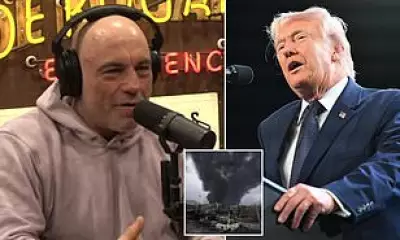
The battlefield developments coincide with complex international diplomatic maneuvers. Former US President Donald Trump revealed details of an hour-long phone conversation with Vladimir Putin, during which they discussed both the Ukraine conflict and Middle Eastern tensions. Trump characterized the discussion as "positive" despite what he described as "tremendous hatred" between Putin and Ukrainian President Volodymyr Zelensky.
Trump indicated the US would loosen certain oil-related Ukraine war sanctions on "some countries" following their conversation. When Putin offered assistance in bringing a diplomatic end to the Iran conflict, Trump reportedly responded: "You could be more helpful by getting the Ukraine–Russia war over with. That will be more helpful."
Ukrainian Expertise Goes Global
President Zelensky disclosed that three specialized Ukrainian teams comprising drone experts, military personnel, and engineers have travelled to the Middle East. These teams have already begun communication and operational work on the ground, leveraging Ukraine's extensive experience in intercepting Iranian-designed Shahed drones—the same unmanned aerial vehicles used by Russia against Ukrainian targets and now threatening Gulf nations.
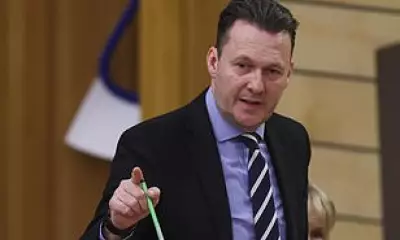
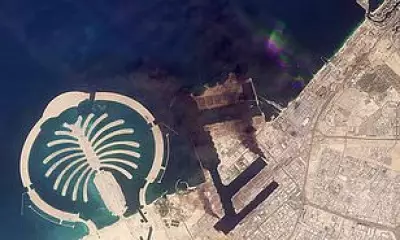
Ukraine's National Security and Defence Council Secretary, Rustem Umerov, has arrived in the United Arab Emirates to discuss areas of potential cooperation and is expected to visit several other countries including Saudi Arabia. This diplomatic outreach comes as Ukraine seeks to establish itself as a valuable security partner for nations facing similar drone threats.
Enhanced Defensive Capabilities
Zelensky confirmed that Ukraine has received deliveries of crucial Patriot interceptor missiles from Germany, following agreements reached at the latest Ukraine Defence Contact Group meeting in the Ramstein format. Berlin delivered its share of the air defence systems on March 10, with German outlet Der Spiegel reporting that Ukraine is expected to receive 35 PAC-3 interceptor missiles in the coming weeks.
German Defence Minister Boris Pistorius secured an agreement with European allies to deliver 30 PAC-3 missiles to Ukraine, supplemented by an additional five missiles from Germany's own stockpiles. Zelensky highlighted Germany's substantial financial support for Ukraine's military, describing Berlin as the largest supporter of the country's armed forces.
Cross-Border Strikes and Escalating Tensions
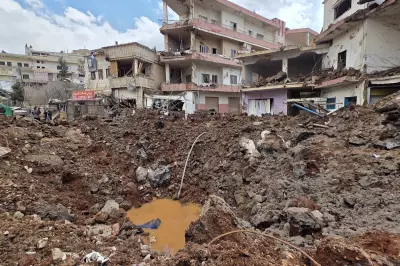
Russia confirmed on Wednesday that Ukraine had carried out a strike on the western Russian city of Bryansk, with regional governor Alexander Bogomaz reporting seven fatalities and 42 injuries. Ukraine stated it targeted a key plant producing missile components, while Moscow condemned the attack as a "terrorist act" accusing Kyiv of deliberately targeting civilian infrastructure.
Zelensky specifically identified the target as the Kremniy El plant, a major Russian microelectronics manufacturer that produces control systems for various Russian missiles. The strike utilized British-supplied Storm Shadow missiles, prompting Russia's foreign ministry to accuse Britain of violating international legal norms by providing such weaponry.
International Stance on Sanctions
European Commission President Ursula von der Leyen emphasized that "this is not the moment to relax sanctions on Russia," following discussions with G7 leaders about the impact of Middle Eastern conflicts on global energy markets. She stressed that capping oil prices would help limit Russia's revenues while supporting the International Energy Agency's decision to release 400 million barrels of emergency reserve oil to ease global supply tensions.
Emerging Maritime Threats
The conflict's technological innovations continue to influence global security dynamics. Maritime authorities have reported at least two attacks on oil tankers in the Gulf region using explosive-laden unmanned surface vessels—technology Ukraine has employed effectively against Russian naval assets. The first confirmed sea-based drone attack occurred on March 1 when the Marshall Islands-flagged tanker MKD VYOM was struck approximately 44 nautical miles off Oman, resulting in one crew member fatality.
These developments occur against a backdrop of heightened tensions in the Strait of Hormuz, through which approximately one-fifth of global oil shipments transit. The emergence of naval drone warfare represents a dangerous new threat to international shipping lanes already strained by regional conflicts.