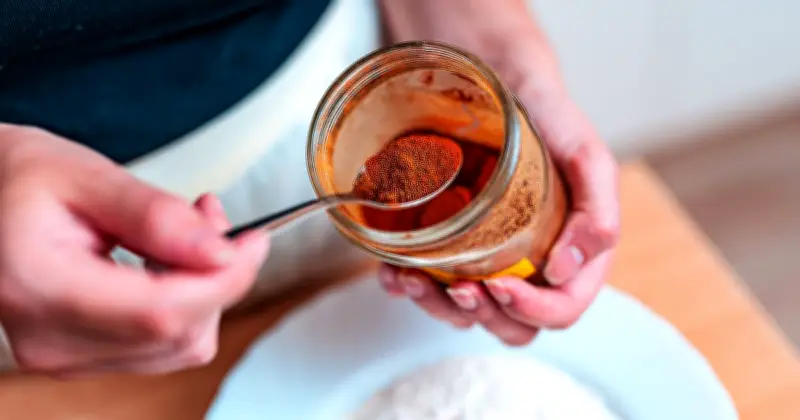
Households are being urged to use a common kitchen spice to keep rats and squirrels out of their gardens this spring. As the season brings gardens back to life, it also attracts unwanted rodents drawn by bird feeders.
Why Rodents Invade Gardens
Spring is a glorious season when gardens burst into life, with birds pecking at lawns and visiting feeders. However, it also signals the return of squirrels and rats. While many gardeners enjoy feeding birds, rodents have an exceptionally keen sense of smell, enabling them to detect food from considerable distances. This frequently draws them into gardens.
Many people fail to realise that filling feeders with cheap supermarket bird food is a significant error. Such food typically contains fillers like wheat and loose grains that rodents find irresistible. Birds favour seeds and struggle with grains, often dropping them on the ground, where they become easy pickings for rodents, encouraging repeat visits.

The Simple Solution: Cayenne Pepper
Annie Krug from Chirp Nature Center has revealed a straightforward method to deter rodents from raiding bird feeders and discourage them from returning. The solution requires nothing more than cayenne pepper.
Annie said: "Squirrels, rats, and other rodents typically don't like the smell of the hot pepper and will steer clear — and even if they do eat it, it won't harm them, but the taste will repel them. You can also sprinkle some cayenne pepper in your bird seed for the same effect."
How Cayenne Pepper Works
Cayenne seasoning and hot peppers contain a compound called capsaicin, responsible for their intense heat and bold flavour. Unlike mammals, birds cannot detect spice in the same manner, meaning they will happily consume bird food coated in hot spices without any adverse effects. However, rats and squirrels possess extremely sensitive noses, and even the scent of spicy food can prove irritating or overwhelming to them.
Any unfamiliar smells or sensations can lead rodents to perceive an area as hazardous, making them far more likely to steer clear of a garden if cayenne pepper is added to a bird feeder.
When to Apply Cayenne Pepper
Rodents are frequently drawn to accessible food sources, so applying cayenne pepper around bird feeders can help deter them, particularly in May when food is more readily available. It is worth noting that cayenne pepper does have limitations, as rainfall can wash it off the bird food, meaning it requires regular reapplication.
Some particularly hungry rodents may still try to consume spicy bird food, but this technique typically proves more effective in spring and summer when more natural alternatives are available to them.
Combining Cayenne Pepper With Better Bird Food
The most successful approach to reducing rats and squirrels in your garden is to combine cayenne pepper with bird food that holds less appeal for rodents. Opting for foods such as nyjer seeds, sunflower hearts, broken peanut pieces, and premium mixes without excessive wheat can help attract birds while deterring unwanted visitors.
Anyone with a bird bath is also urged to act before July to prevent other garden issues.