Trump's Climate Silence Creates 'Beyond Absurd' Stalemate at IMF and World Bank Talks
Trump's Climate Silence Stalls IMF and World Bank Green Plans

Trump's Climate Silence Creates 'Beyond Absurd' Stalemate at IMF and World Bank Talks

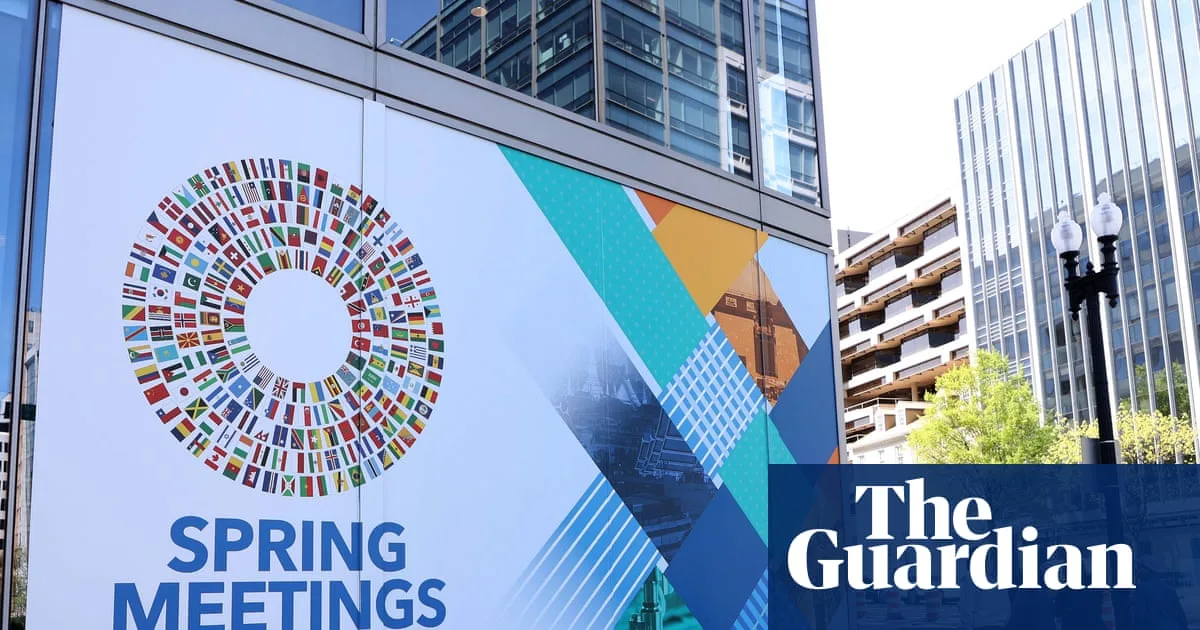
Delegates from up to 189 countries are gathering in Washington DC for the spring meetings of the International Monetary Fund (IMF) and World Bank Group (WBG), but a critical issue is being pushed into the shadows: the climate crisis. Amid a fragile geopolitical landscape, including a ceasefire in Iran and ongoing oil market volatility, the talks face a paradoxical situation where participants are urged not to mention climate change, even as it underpins global energy and financial security.

Climate Action Plan at Risk of Being Shelved

One of the key priorities for these meetings was to develop a new "climate change action plan" (CCAP) for the World Bank, the largest funder to developing nations, to replace the current strategy expiring in June. However, insiders report that this plan may now be shelved, along with substantive discussions on climate issues. The reason, according to sources, is pressure from the US administration under President Donald Trump.

The White House is allegedly forcing countries to choose between creating a major rift or downplaying the climate crisis, with green priorities potentially being addressed indirectly. Last autumn, US Treasury Secretary Scott Bessent demanded the removal of climate finance targets from the World Bank's objectives, insisting on an "all-of-the-above" energy approach that includes funding for fossil fuels like gas, oil, and coal. As the biggest shareholder with about 17% of capital, the US wields significant influence.

Wide Pickt banner — collaborative shopping lists app for Telegram, phone mockup with grocery list

Developing Countries Bear the Brunt

This stance has alarmed other nations, including large developed economies. Senior staff from international finance institutions have noted that the US has pressured the World Bank and IMF over climate matters, leading to self-censorship where the term "climate" is removed from reports and projects. Some leading countries are reportedly hesitant to push for a new CCAP, which experts warn would be disastrous for the developing world.

Mohamed Adow, director of the Power Shift Africa thinktank, described the situation as "beyond absurd," especially during an oil crisis that highlights the need for renewable energy investments. He emphasized that fossil fuels and the climate emergency are inextricably linked, and this moment presents a historic opportunity to shift away from dependence on volatile energy sources.

Global Climate Finance Goals in Jeopardy

Under the current CCAP, the World Bank Group aims to allocate 35% of its funding to climate-related activities, with half for adaptation, and has moved to end most fossil fuel finance, though loopholes persist. The World Bank is the largest single source of climate funding, crucial for meeting targets set at the Cop29 UN climate summit in Azerbaijan in 2024. There, countries agreed that at least $1.3 trillion annually should flow to the developing world by 2035, with developed nations committing $300 billion yearly.

Catherine Abreu, director of the International Climate Politics Hub, questioned whether the World Bank and IMF can respond to the majority of their members or be swayed by powerful minorities. In the last financial year, 48% of the World Bank's financing qualified as having climate co-benefits, demonstrating its pivotal role.

Alternative Approaches and Future Implications

Lord Stern, a former World Bank chief economist, suggested that progress can still be made without explicitly labeling projects as climate-related. He pointed to investments in agriculture, forests, water, energy, and public transport—such as metro systems in overcrowded cities—as inherently beneficial for tackling the climate crisis without highlighting it. Stern also called for clearer accounting of climate finance to support global goals without manipulation.

A World Bank Group spokesperson affirmed its commitment to supporting low-carbon, resilient infrastructure and energy systems, noting strong demand from clients for adaptation and mitigation support. Over the past decade, 215 million people gained improved electricity access through its programmes, with expectations to reach 575 million.

Pickt after-article banner — collaborative shopping lists app with family illustration

As the meetings proceed, the tension between US pressure and global climate needs underscores a critical juncture for international finance. The outcome could shape whether vital green initiatives advance or are sidelined, impacting millions in vulnerable regions.