US Disaster Readiness Erodes Under Trump, Experts Warn Amid Record $101bn Damage
Trump Policies Leave US Less Prepared for Disasters, Experts Say

Emergency management experts have issued a stark warning, stating that the United States' capacity to prepare for and respond to natural disasters has been dangerously eroded during Donald Trump's presidency. The first year of his second term has seen deep cuts to frontline agencies and a crackdown on climate science, leaving the nation more vulnerable as extreme weather intensifies.

A System Under Strain: Cuts and Chaos

The Federal Emergency Management Agency (FEMA), the cornerstone of national disaster coordination, entered the 2025 hurricane season without a formal plan. Bereft of strong leadership and suffering from low morale, the agency lost roughly a third of its full-time staff to firings, retirements, and resignations. It is now on its third acting administrator in less than a year, none of whom were approved by Congress or possessed substantial emergency experience.

Hundreds of millions of dollars in national preparedness funding were cut. Furthermore, Homeland Security Secretary Kristi Noem placed FEMA on a much tighter leash, requiring personal approval for any spending over $100,000—a threshold easily surpassed by disaster contracts—which gummed up the agency's ability to respond rapidly.

The problems extended far beyond FEMA. The National Oceanic and Atmospheric Administration (NOAA), a global leader in climate science and weather forecasting, was also gutted. By September 2025, one in seven National Weather Service workers had left, creating critical gaps. Weather balloon networks in Alaska were scaled back, failing to provide adequate warning for a devastating storm. At one point, a quarter of forecast offices lacked chief meteorologists, and overnight monitoring was halted in several locations due to staff shortages.

The Mounting Cost of a Weakened Defence

The consequences of these policies are already being felt in a year marked by catastrophic events. It took administration officials more than 72 hours to authorise federal search-and-rescue teams after the Guadalupe River flood in Texas in July, a disaster that killed over 135 people.

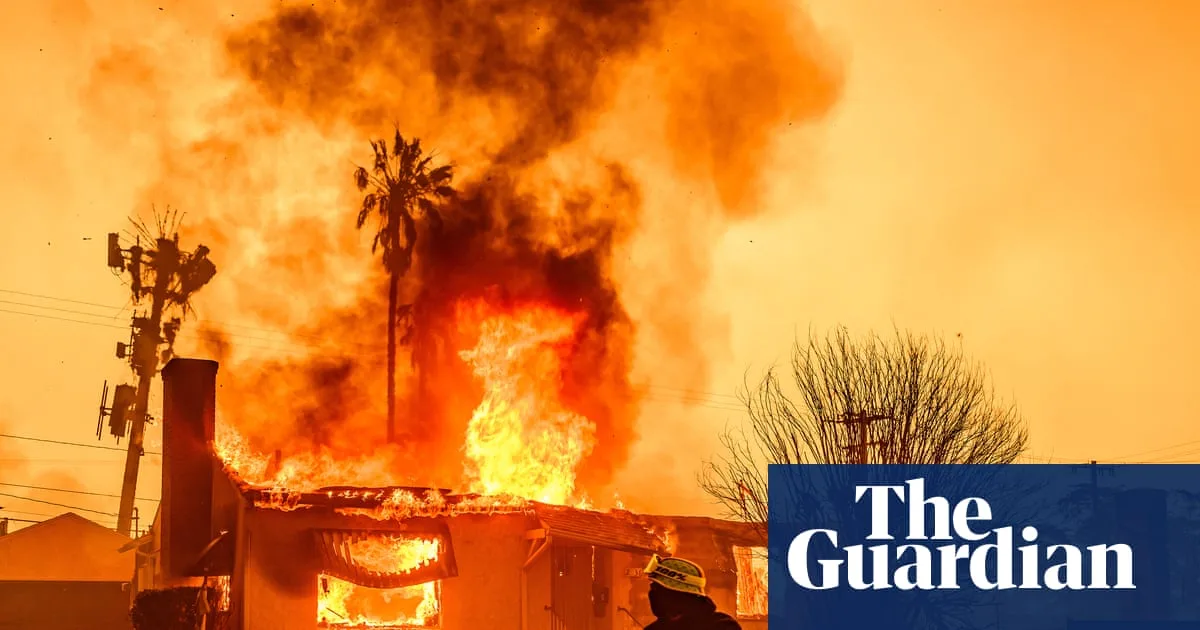
The financial toll is staggering. In the first half of 2025 alone, damage from weather and climate disasters across the US totalled more than $101bn, according to Dr Adam Smith, a former NOAA scientist now with Climate Central. “That cost is by far the most costly first half of any year on record dating back to 1980,” he confirmed.

Monica Medina, former principal deputy administrator of NOAA under Obama, described the situation as a “perfect storm” where ever-escalating threats are met with a crumbling safety net. “We need to have a whole new attitude about preparedness for the types of weather events we are seeing,” she said. “People will suffer. It is just that simple.”

Broken Foundations and a Global Impact

The administration's shift has also involved dismantling key scientific infrastructure. The White House canceled contracts for national climate assessments and pulled the climate.gov data portal from public view. Funding was cut for labs monitoring seismic activity, taking nine tsunami-warning stations offline. Satellite instruments tracking carbon dioxide and pollution are also slated for removal.

These losses will resonate globally, as scientists and governments worldwide depend on US data for tracking severe weather, coordinating disaster response, and monitoring deforestation. “The private sector sits on top of a foundation of government science that is falling apart,” Medina noted.

Even in areas Trump has prioritised, such as wildfire prevention, outcomes have been poor. After slashing jobs at land management agencies, hazardous fuels reduction work—like prescribed burns—was down roughly 38% in 2025. Firefighting crews reported chaos, with late pay, missing maintenance staff, and having to perform non-firefighting duties.

Shana Udvardy of the Union of Concerned Scientists summarised the situation starkly: “This is what it looks like when things fall apart, and it’s going to take years to build it all back up.” With states unprepared to assume federal responsibilities and communities facing a future of intensifying extremes, the call for public vigilance has never been more urgent.