Norway's Pioneering Interspecies Council: A New Voice for Nature in Governance
In the picturesque mountain village of Oppdal, nestled within central Norway's Drivdalen valley, a groundbreaking experiment in governance is unfolding. Here, humans have convened as representatives for a diverse array of non-human beings—from spiders and Norwegian spruces to northern bats and cloudberries—to participate in an interspecies council. This innovative forum seeks to reimagine traditional decision-making by incorporating the perspectives of flora and fauna directly into discussions about regional development and ecological stewardship.
Origins and Evolution of the Council Concept
The roots of this practice trace back to the 1980s, when environmentalists John Seed and Joanna Macy developed the Council of All Beings, a ceremonial exercise where humans embody other species. Building on this foundation, scientist and activist Phoebe Tickell, a mentee of Macy's, has advanced the concept into a formal "decision-making methodology." Tickell describes it as a system designed to "expand who has voice and representation in governance beyond humans alone," addressing specific issues through structured councils that produce outputs like manifestos or decisions.
This initiative is part of a broader international movement advocating for nature rights and enhanced governance power. In the United Kingdom, for instance, 13 councils have recognised river rights since 2023, and a nature's rights bill is gaining traction. Similarly, coalitions across Europe are exploring interspecies biodiversity governance, employing techniques such as nature charters and appointing nature representatives to boards. Interspecies councils have already been applied in policy contexts, including reimagining stewardship around London's River Roding and responding to governmental consultations on land use.
The Oppdal Council in Action
Oppdal, with its population swelling from 5,000 to over 30,000 in winter due to tourism, faces pressing challenges in balancing economic development with ecological health. The village's strategic shift towards year-round tourism, including plans for new apartments, has sparked debates over land allocation among farming, conservation, and recreational uses. Against this backdrop, the interspecies council emerged as a collaborative effort led by the Common Ground research project, which focuses on integrated land management.
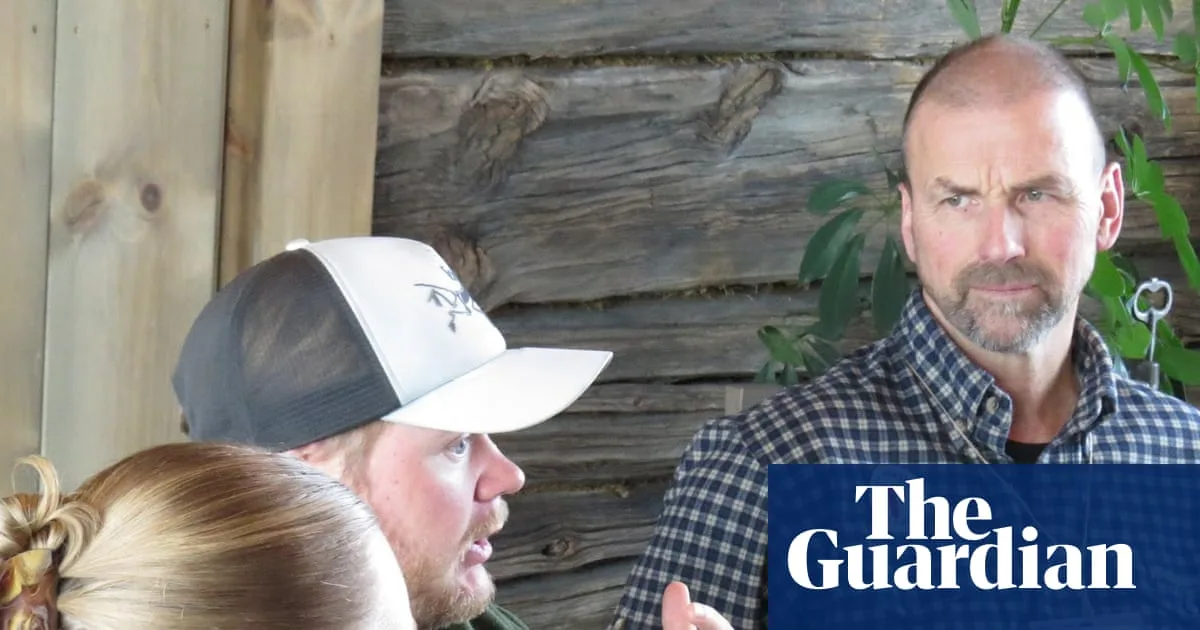
On the day of the council, 38 local participants gathered at the Bjerkeløkkja conference centre, each assigned to represent a specific species. Through icebreakers and ritualistic introductions, they began to embody their assigned beings, with activities eliciting squawks, wing flaps, and lumbering strides. Discussions centred on the needs, challenges, and ideas of these species, fostering a unique atmosphere of empathy and listening.
Key insights emerged during the proceedings. A rockfoil flower expressed a desire for humans to slow down and listen to nature's tolerances, while a birch voiced concerns about overpopulation in open spaces. The River Driva lamented being viewed merely as a resource, and a fox humorously pointed out a wader. These exchanges highlighted that the council's primary goal is not to unearth new data but to cultivate interspecies empathy and dissolve the perceived divide between humans and nature.
Impacts and Future Directions
Participants reported that the council disrupted typical human dynamics, enabling concerns to be heard without offense, as individuals engaged from the perspective of their species. An ongoing evaluation tracks changes in participants' connectedness to nature and openness to non-human perspectives over six months. The council drafted principles for human governance, which will be published as a manifesto, and generated ideas such as establishing a regular interspecies council and a hearing group for non-human voices in Oppdal.
However, challenges remain in ensuring these councils achieve meaningful impact. Tickell emphasises the need for "institutional trace"—robust methodologies, accountable protocols, and longitudinal research to ground decision-making power. She warns against the risk of councils becoming "sophisticated greenwashing or window-dressing," advocating for their integration into governance as routinely as environmental impact assessments.
As this movement gains momentum, Oppdal's participants view their efforts as "little seeds" planted for potential systemic change. The future of interspecies councils will unfold not only in Norway but globally, as communities seek innovative ways to address environmental crises and foster a more inclusive approach to governance that honours all beings.






