Nepal is to scrap its long-running waste deposit scheme on Mount Everest after officials concluded it had failed to reduce rubbish accumulation on the world's highest peak. The scheme, introduced more than a decade ago, required climbers to pay a $4,000 (£2,960) deposit, refundable if they returned with at least 8kg of waste.
Tourism ministry officials said the policy had not delivered meaningful results, particularly at higher camps where waste is most visible and hardest to remove. Despite most climbers receiving their deposits back, the scheme was deemed an administrative burden that failed to show tangible outcomes.
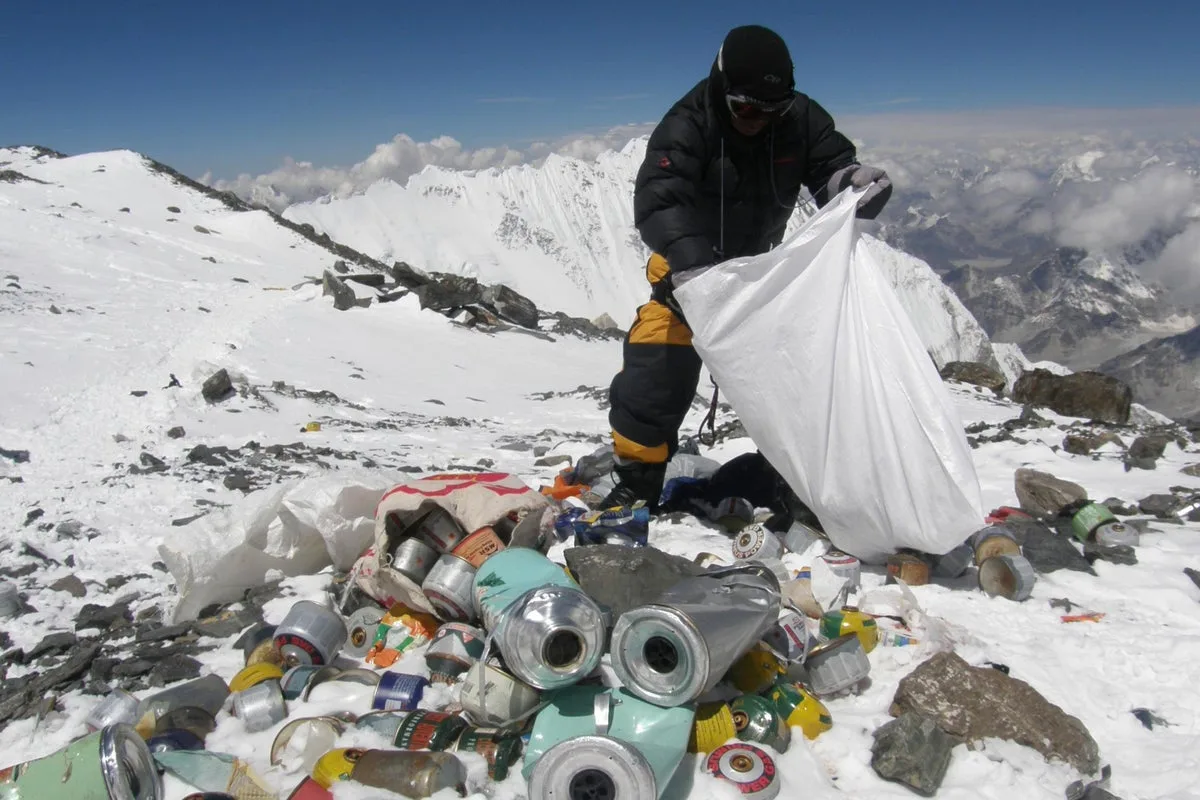
Tshering Sherpa, chief executive of the Sagarmatha Pollution Control Committee, noted that climbers often prioritise bringing back oxygen cylinders from higher camps, leaving behind tents, cans, and food packaging. An average climber produces up to 12kg of waste during an expedition.

Officials cited limited monitoring as a major flaw. Beyond a checkpoint above the Khumbu Icefall, there is little oversight of waste practices higher up the mountain. Authorities now plan to replace the refundable deposit with a non-refundable clean-up fee, expected to be set at $4,000, subject to parliamentary approval.
The funds would be used to establish additional checkpoints and deploy mountain rangers to monitor waste removal at higher camps. The fee will form part of a five-year mountain clean-up action plan aimed at tackling waste across Nepal's major climbing peaks.
Environmental groups warn that without sustained monitoring and enforcement, any clean-up effort risks staying focused on lower camps even as waste continues to accumulate higher up the mountain. The total waste on Everest is estimated to run into tens of tonnes, including human excrement that does not decompose at freezing temperatures.