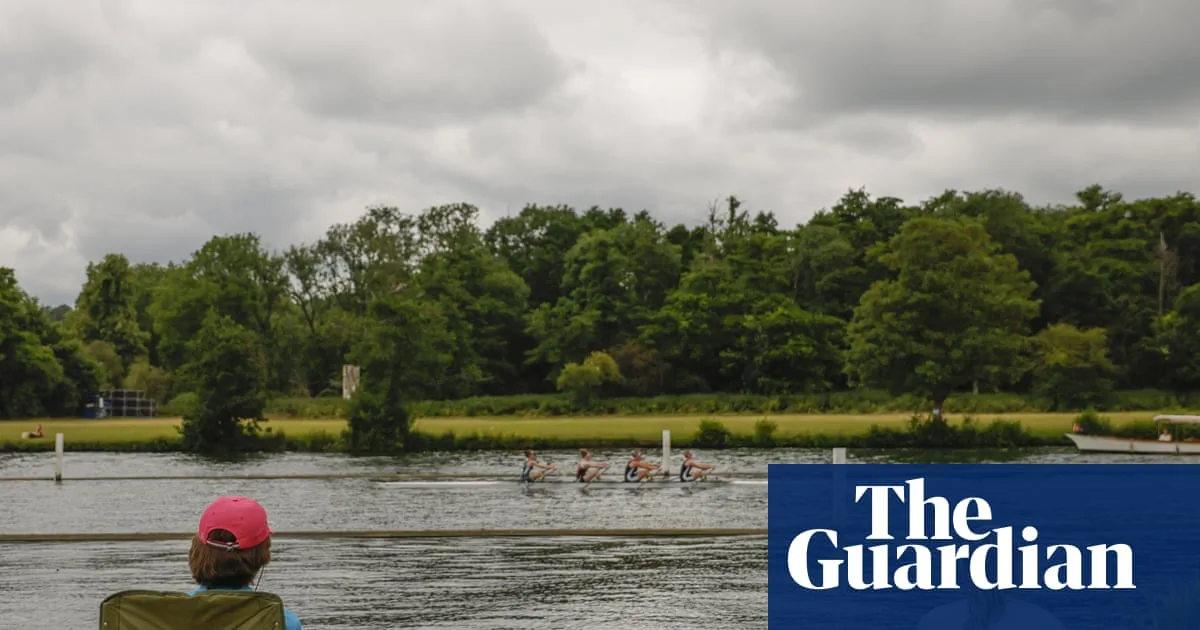
Campaigners in Henley-on-Thames have called for changes to bathing water rules after a stretch of the River Thames failed to gain official bathing water status. In a letter to Environment Secretary Emma Reynolds, local businesses, river users, community groups, and civic leaders argued that the current definition of 'bathers' is too narrow, excluding those who use the river for rowing, kayaking, paddleboarding, and sailing.
The application, submitted by Henley Town Council in 2024, was rejected by the Department for Environment, Food and Rural Affairs (Defra) because the number of people swimming in the river was deemed insufficient. Campaigners say this creates a catch-22 situation: poor water quality deters bathers, yet without bather numbers, the site cannot be designated, leaving no mechanism to force improvements.
Jo Robb of the Henley Mermaids swimming group described the system as 'fundamentally flawed and not fit for purpose'. She said: 'We cannot improve water quality without bathing water designation, but we cannot achieve designation because water quality is too poor to attract bathers.' Swimming events in Henley were cancelled last year due to falling entries amid water quality concerns.

Local businesses have reported suffering. Jonathan Hobbs of Hobbs of Henley boat hire said: 'It's absurd that England's premier river town cannot qualify for bathing water status under the current rules, leaving us with no way of cleaning up our stretch of river.' The groups are calling for the government to expand the definition of 'bathers' to include other water users.
Water quality testing by Health on the Thames Water (HoT Water) has found consistently elevated levels of E coli, with 2025 tests showing levels up to ten times the safe limit. The Environment Agency's 'sufficient' standard is 900 colony forming units (CFU) per 100ml, while Henley's average was 2,922 CFU per 100ml. Dave Wallace, lead at HoT Water, said: 'These levels pose a threat to anyone entering the water, but especially to children and those with existing health conditions.'
A government spokesperson said work had begun on an evidence review to consider expanding the definition of bathers, adding: 'The government is taking decisive action to clean up the nation's rivers, lakes, and seas so communities across the country can enjoy the places they care about most.'