Health Warning Labels and Stricter Emissions Limits for New Wood-Burning Stoves
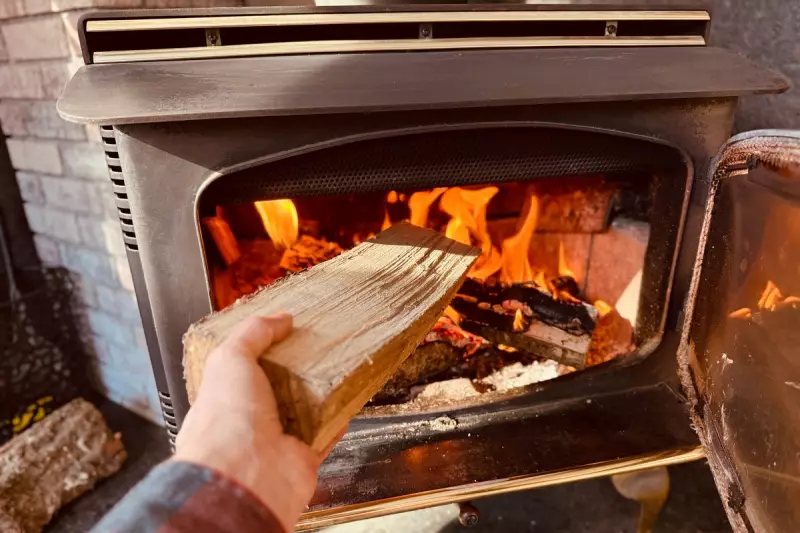
New wood-burning stoves will be required to carry prominent health warning labels and adhere to significantly stricter smoke emission limits under the latest government proposals aimed at tackling air pollution. The measures, part of a UK-wide consultation launched on Thursday, seek to reduce harmful emissions from domestic burning and encourage the adoption of cleaner heating technologies.
Stricter Emission Standards and Mandatory Labelling
Ministers have proposed cutting the permissible limit for smoke emitted from new wood burners by a substantial 80 per cent. This would enforce a reduction from the current standard of five grams of smoke per hour to just one gram per hour. Furthermore, the plans would mandate that both new stoves and wood sold for burning carry clear labels explaining the pollution they produce and the subsequent impact on human health.
These new rules would apply exclusively to new appliances entering the market. Industry estimates indicate that approximately 70 per cent of stoves tested since 2018 already meet the proposed one-gram-per-hour limit, suggesting a degree of preparedness within the sector.

Addressing a Major Source of Air Pollution
Domestic wood burning represents one of the United Kingdom's largest sources of air pollution, contributing around a fifth of fine particulate matter (PM2.5) emissions—a level nearly equivalent to that from road transport. A recent study has linked wood-burning appliances used in homes to an estimated 2,500 premature deaths annually in the UK, alongside 3,700 cases of diabetes and 1,500 cases of asthma.
According to consultation documents, implementing the new emission limit is projected to cut annual toxic emissions from wood burning by 10 per cent over the coming decade.
Government and Campaigner Perspectives
Air Quality Minister Emma Hardy stated: "Dirty air robs people of their health and costs our NHS millions each year to treat lung conditions and asthma. We are determined to clean up our air. By limiting emission levels and introducing new labels as outlined in our consultation, families will be able to make better, healthier choices when heating their homes."
The consultation suggests specific wording for the proposed warning labels. For stoves, a label might read: "Please be aware that this appliance emits air pollution into and around your home which can harm your health." For wood sold for burning, a suggested label states: "Burning in the home leads to air pollution which has a negative impact on the health of you and your family."
Calls for Further Action
While campaigners have welcomed the consultation's acknowledgment of the harms caused by domestic burning, they argue the proposals do not go far enough and that "further action" is urgently required.
Jonathan Blades, Head of Policy at Asthma + Lung UK, said the proposals "fall well short of what is needed to protect the public from dangerously high levels of emissions." He added: "If this government is serious about protecting public health, reducing the amount of PM2.5 we breathe must be a priority, and the government should be consulting on bold, ambitious and supportive policy measures to bring down levels from domestic burning."
Larissa Lockwood, Director of Policy and Campaigns at Global Action Plan, offered a stark comparison: "A less-polluting stove is like a low-tar cigarette – it's slightly better for your health, but still significantly worse than not using them in the first place." She called for government action to ensure access to cleaner heating alternatives and to empower local authorities to curb harmful emissions within their communities.
Enhanced Penalties for Non-Compliance
In a related move to improve air quality, the consultation also includes a proposal to significantly increase penalties for fuel suppliers. The fine for selling damp wood, which emits substantially more smoke than dry wood, would rise sharply from £300 to £2,000, aiming to discourage the sale of more polluting fuels.