Governments Criticised for Failing to Deliver $160m River Improvements
An independent review has found that the New South Wales and Queensland governments have drastically underdelivered on more than $160 million in infrastructure measures aimed at improving river health in the northern Murray-Darling basin. This failure comes eight years after the projects were initially promised, with significant consequences for the environment.
Key Failures in NSW and Queensland Projects
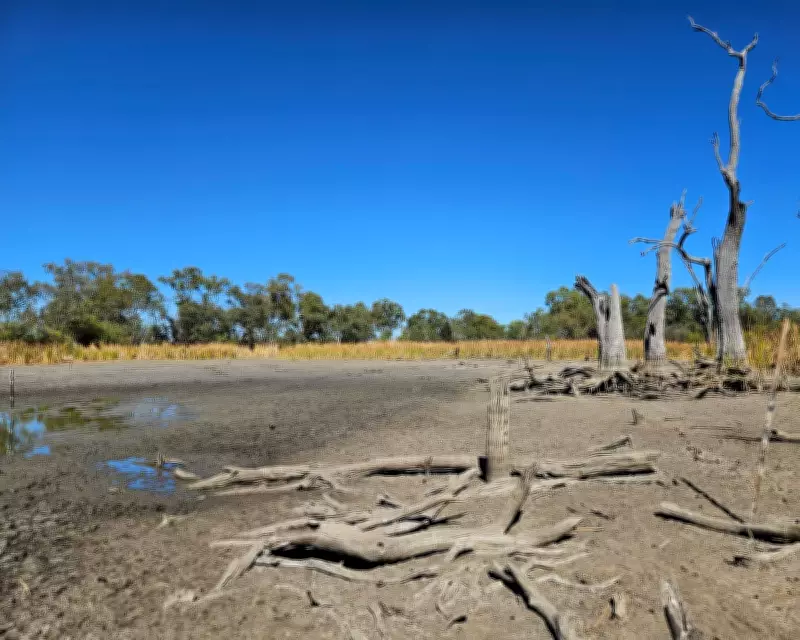
The report, published by the federal inspector general of water compliance, Troy Grant, highlights several critical shortcomings. In NSW, the government failed to secure any private land access needed to enhance water flows over floodplains in the Gwydir region. This area recently saw scientists scrambling to rescue turtles from dried-up wetlands, underscoring the urgency of the issue.
Additionally, a separate NSW project to install fish passages to aid migration around barriers in waterways has delivered only 64km, a mere 3% of the original 2,135km target. The target was later reduced to 589km, but progress remains minimal. In Queensland, promised refurbishments and upgrades to weirs never advanced beyond the feasibility stage, according to the review.

Impact on the Environment and Taxpayers
Troy Grant stated that the environment and taxpayers are the clear losers in this situation. The Northern Basin Toolkit program, agreed upon by NSW, Queensland, and federal governments, was intended to improve river health without adding extra water. This program was meant to compensate for a 2018 federal decision to reduce environmental water allocations from 390 billion litres to 320 billion litres annually.
Environmental flows, which involve releasing water from dams into rivers and ecosystems to restore health, are crucial. The toolkit aimed to facilitate water flow into wetlands, boost fish populations, and protect environmental water from pumping as it moved downstream. However, with a deadline set for the end of this year and $166 million committed by the federal government, the delivery has been severely lacking.
Expert and Political Reactions
Professor Jamie Pittock from the Australian National University, who chairs the Wentworth Group of Concerned Scientists, expressed deep concern. He questioned how Australians can trust their governments to protect rivers when promises are not kept, noting that failures lead to the deaths of turtles, fish, and wetlands.
Grant described the NSW government's delivery of fishways as "abysmal" and compared the toolkit to "a plane full of passengers being flown without a pilot." He pointed out that the only successful measures identified were policy-based and cost nothing, highlighting a lack of accountability and transparency.
NSW Water Minister Rose Jackson acknowledged the challenges, stating that little progress was made under the former government and that her administration is working to improve outcomes. Meanwhile, Greens environment spokesperson Sarah Hanson-Young criticised the misuse of funds, and Emma Carmody, commissioner for the River Murray South Australia, suggested redirecting money towards buybacks and other effective initiatives.
Broader Implications and Future Steps
The review serves as a wake-up call as a broader assessment of the Murray-Darling basin plan begins. An Albanese government spokesperson indicated that recommendations are under consideration, emphasising shared responsibility across jurisdictions. Guardian Australia sought comment from the Queensland government, but no response was provided at the time of reporting.
This failure underscores ongoing issues in environmental management and raises questions about the effectiveness of government programs in safeguarding vital ecosystems. The need for improved accountability and transparent implementation is more pressing than ever to prevent further ecological damage.