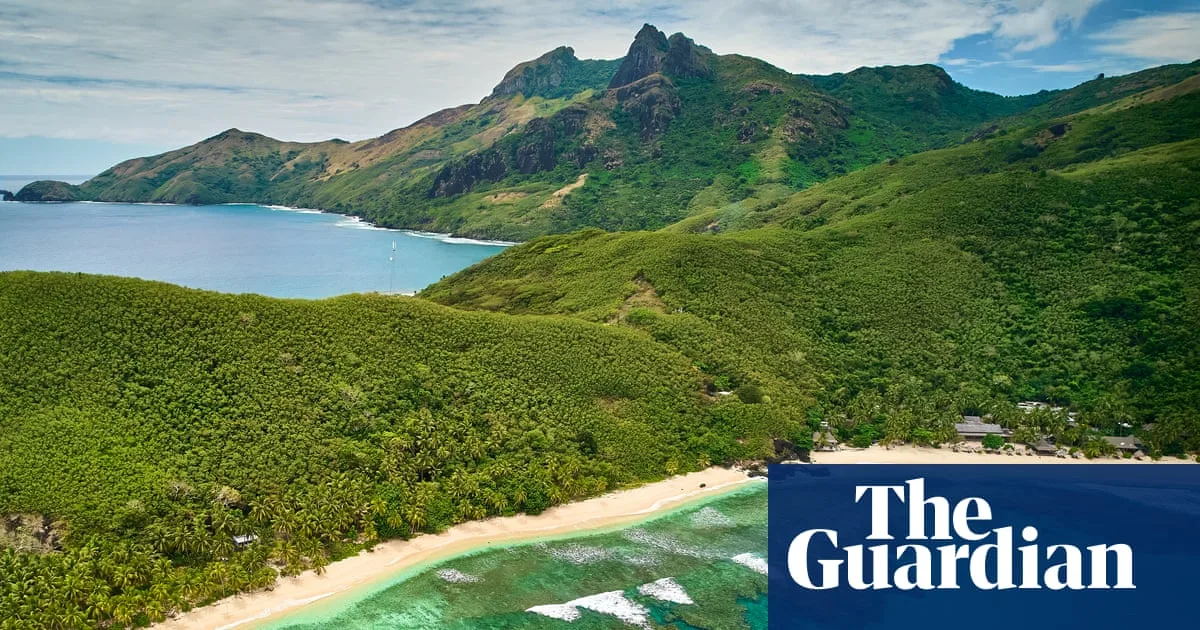
Villagers in Fiji have condemned a proposal by Australian billionaire Ian Malouf and his business partner Rob Cromb to build a $630 million port and waste incinerator near the tourist gateway city of Nadi. Traditional landowner Inoke Tora traveled to the capital Suva with a petition opposing the project, which would consume 900,000 tonnes of non-recyclable rubbish annually and raise Fiji's national emissions by 25%.
Fiji's ambassador to the UN, Filipo Tarakinikini, warned on social media that the Vuda coast must not become the "Pacific's ashtray," likening the plan to "waste colonialism." He said ash residue and dioxins would contaminate the food chain. Residents fear the emissions will spoil Fiji's eco-tourism reputation and pose safety risks, with hotels and schools nearby.
Malouf, founder of "Dial-a-Dump," spent seven years trying to get a similar incinerator approved in Sydney before it was rejected as a health risk in 2018. Stephen Bali, who led opposition in Sydney, urged Fiji to seek independent scientific data, noting the emissions from transporting waste by diesel truck and ship.

Cromb, who owns the Kookai fashion label and was born in Fiji, said the project would manage local waste, reduce landfill, and support energy needs, adding that it is not intended to import waste. However, the plan lodged with Fiji's government shows it would also process waste shipped from Australia and the region.
Fiji's tourism minister Vilame Gavoka said the incinerator could jeopardise tourism in Nadi, while the permanent secretary for environment, Michael Sivendra, confirmed the project is under review. Resident Eremasi Matanatabu expressed widespread concern over building a waste business in a bay of cultural significance.