EPA Considers Easing Air Pollution Rules for Chemical Plastic Recycling
The Environmental Protection Agency is actively reconsidering whether facilities that recycle plastic through chemical processes should be subject to the same stringent air pollution standards as traditional incinerators. This potential regulatory shift has raised significant alarm among environmental advocates, who warn it could lead to increased dangerous pollution being released into communities with reduced federal oversight.
Industry Versus Environmental Perspectives
The plastics industry disputes these concerns, arguing that the change would clarify regulatory confusion while still maintaining emissions control. Chemical recycling, which uses heat or chemicals to break down plastics, has traditionally been regulated as incineration under the Clean Air Act. The primary method, known as pyrolysis, currently falls under Section 129 of the act, which limits emissions of nine air pollutants including toxic particulates, heavy metals, and dioxins from incinerators.
"The definition of incineration is to destroy it, right? You're literally trying to make it go away," said Ross Eisenberg, president of America's Plastic Makers. "That's not what they're doing here. They are trying to preserve it and recover the materials, which is recycling, which is manufacturing."
In contrast, Judith Enck, a former EPA regional administrator who now leads Beyond Plastics, opposes what she describes as a "much weaker level of environmental protection." She argues that chemical recycling companies have spent decades lobbying for regulatory changes that previous administrations have declined to implement.
Regulatory Shift and Environmental Concerns
The EPA has indicated that a 2005 final rule including pyrolysis units under Section 129 was vague and caused industry confusion. The agency is now taking public comment on a potential new rule that could recognize pyrolysis as manufacturing under Section 111 of the Clean Air Act instead.
John Walke of the Natural Resources Defense Council warns that Section 111 regulates fewer pollutants than Section 129 and that the EPA's approach skips crucial rulemaking steps. He argues this could create a regulatory gap where no federal emissions standards would apply for several years during the transition.
"You could have a facility that was controlled on a Monday, preventing those hazardous air pollutants from being emitted into the atmosphere, and on Tuesday, the facility would have legal permission to turn off installed pollution controls," Walke explained. "Why would they do that? Because it costs money to operate them."
Eisenberg disputes this characterization, maintaining that other Clean Air Act sections and state permits would continue to regulate emissions, ensuring community safety.
The State of Plastic Recycling
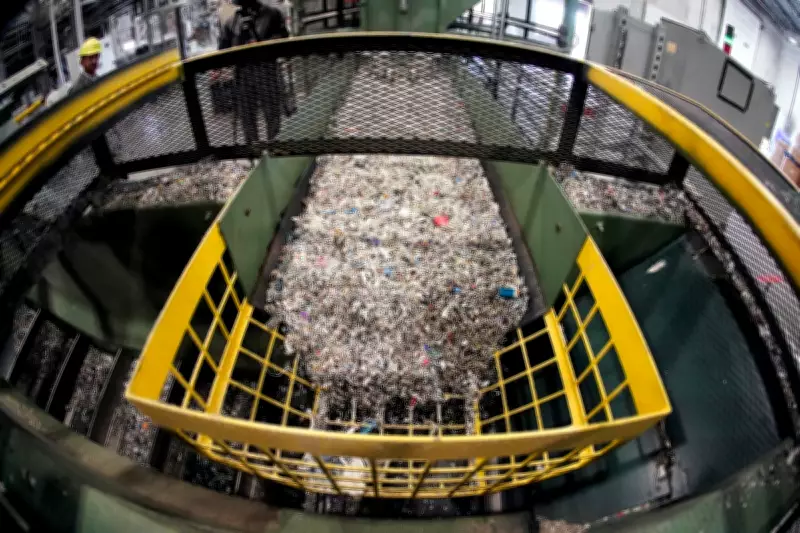
More than 90% of plastics are not recycled according to industry data. The American Chemistry Council promotes chemical recycling as a complement to traditional mechanical recycling that could dramatically reduce landfill waste while creating new products. The process breaks plastics down into liquid and gas to produce oil-like mixtures or basic chemicals for making new plastics or fuels.
Environmental groups counter that advanced recycling represents waste disposal rather than true recycling and distracts from more sustainable solutions like reducing plastic production and consumption.
Currently, six pyrolysis plants operate across Ohio, Texas, North Carolina, Indiana, and Georgia, with additional facilities under construction in Arizona and West Virginia, plus a small test project in Maryland. Twenty-five states have already passed laws regulating chemical recycling as manufacturing, with federal legislation pending in Congress.
Recent Developments and Future Challenges
In March, the EPA published a notice requesting comment on removing the reference to pyrolysis from incinerator regulations, a move critics say was buried in broader rulemaking documents. At a recent public hearing, numerous speakers urged the EPA to maintain pyrolysis regulation as incineration.
Kiya Stanford of Moms Clean Air Force testified that changing the regulation "feels like a move to prioritize polluters over people," offering industry a cheaper way to manage waste by releasing it as toxic air pollution.
The EPA proposed a similar regulatory change in 2020 during the Trump administration, which the Biden administration subsequently withdrew. If the EPA finalizes the current rollback, environmental groups including the NRDC have indicated they will challenge it in court.
The debate occurs against a backdrop of global plastic pollution, with millions of tons entering the environment annually. While many countries and environmental groups advocate for production caps, industry and major oil-producing nations have resisted, instead promoting improvements in reuse and recycling technologies.