Chernobyl at Risk of 'Catastrophic' Collapse as Haunting New Images of Nuclear Site Emerge
It has been nearly 40 years since the world's most terrifying nuclear disaster, and rare access inside the stricken Chernobyl plant reveals how it looks today. As the war in Ukraine continues to rage, haunting new images have emerged from the site, captured by AFP photographer Genya Savilov alongside Greenpeace, who were granted rare entry.
Greenpeace has issued a stark warning: an uncontrolled collapse of the internal radiation shell at the defunct Chernobyl nuclear power station in Ukraine could significantly increase the risk of radioactivity release into the environment. This potential catastrophe underscores the ongoing dangers at the plant, decades after the initial explosion.
The Eerie Reality of Chernobyl Today
Our gallery unveils the chilling reality of the plant, nearly four decades after the 1986 explosion sent radioactive fallout spewing across the globe. On 26th April 1986, an explosion and fire at the Chernobyl nuclear power plant in Ukraine caused radioactive fallout to begin spewing into the atmosphere. Dozens of people were killed in the immediate aftermath, while the long-term death toll from radiation poisoning is believed to number in the thousands.

The images show:
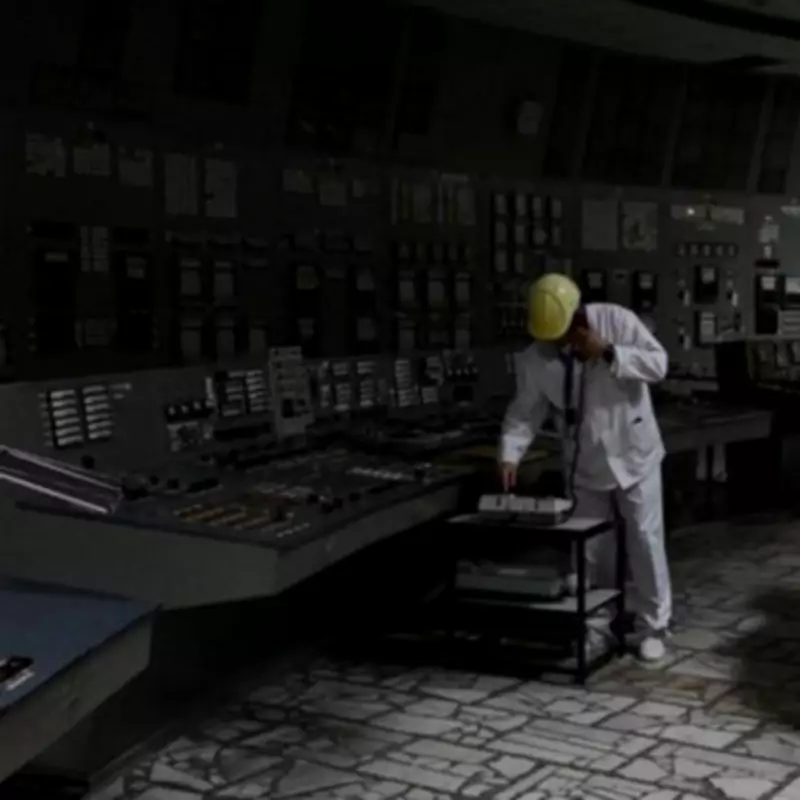
- Chornobyl's deputy technical director for radioactive waste management, Oleksandr Skomarokhov, using a phone in the control room of the no longer working reactor 3.
- Panels and equipment in the control rooms of reactors 3 and 4, covered in dust and decay.
- Engineers speaking in front of monitors in the control room of the New Safe Confinement, a metal dome encasing the sarcophagus covering the destroyed fourth reactor.
- A radiation protection engineer working in front of the sarcophagus, highlighting ongoing safety efforts.
- People checking protective masks and wearing protective clothes before visiting the control room of the destroyed 4th block.
- A memorial to Valery Khodemchuk, the first victim of the Chornobyl disaster, on the wall between blocks 3 and 4.
- The Prometheus monument dating back to the plant's construction, standing as a somber reminder outside.
- Representatives of Greenpeace and media visiting the New Safe Confinement, documenting the site's current state.
Ongoing Risks and Environmental Concerns
The risk of a catastrophic collapse is not merely theoretical. The internal structures, weakened by decades of radiation exposure and neglect, pose a continuous threat. If the radiation shell were to fail, it could lead to a new release of radioactive materials, exacerbating environmental contamination and health risks in the region.
Greenpeace's involvement highlights the urgent need for international attention and funding to secure the site, especially amid the ongoing conflict in Ukraine. The haunting images serve as a powerful reminder of the disaster's lasting impact and the precarious state of the plant today.
As we approach the 40th anniversary of the Chernobyl disaster, these revelations underscore the importance of ongoing monitoring and maintenance to prevent further catastrophe. The world must not forget the lessons of Chernobyl, as the site remains a ticking time bomb in a war-torn region.