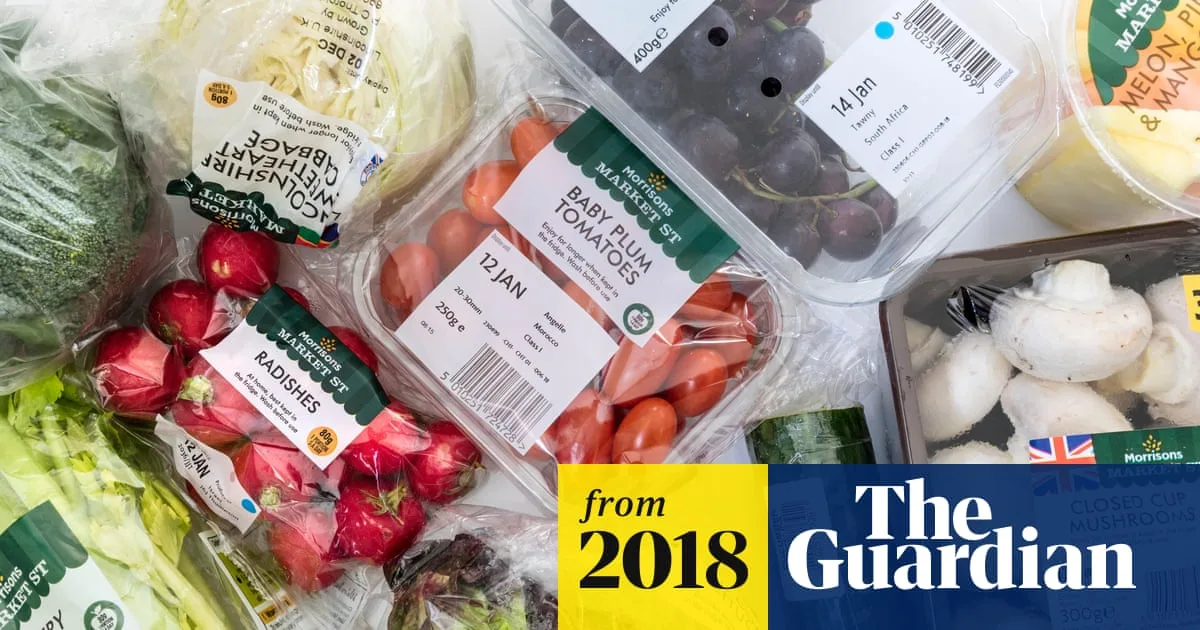
Supermarkets are facing growing pressure from politicians and campaigners to reveal the amount of plastic they produce and contribute more towards its safe disposal, following a Guardian investigation that found the UK’s leading retailers create nearly one million tonnes of plastic packaging waste each year.
When asked to disclose their exact figures, Tesco, Sainsbury’s, Morrisons, Waitrose, Asda and Lidl refused, citing commercial sensitivity. Mary Creagh MP, chair of the environmental audit committee, warned that “a plastic tide is engulfing our streets, beaches and oceans” and called for government action. Caroline Lucas MP said the government must force supermarkets to “come clean” about plastic use and make those who use the most pay more for disposal.
Under an EU directive, supermarkets must declare their plastic packaging annually, but the data is kept confidential. The Department for Environment, Food and Rural Affairs said it plans to reform the producer responsibility system to incentivise greater environmental accountability. Only Aldi and the Co-op voluntarily disclosed their figures to the Guardian, enabling environmental consultants Eunomia to estimate that the top supermarkets produce over 800,000 tonnes of plastic waste each year—more than half of UK household plastic waste.
Louise Edge of Greenpeace UK argued that transparency would encourage positive competition to cut plastic output, including phasing out non-recyclable and single-use plastics. Meanwhile, the Environment Agency reported that in the past six years, 240 retailers have received civil sanctions for failing to pay towards recycling, totalling nearly £5 million in payments to charities.