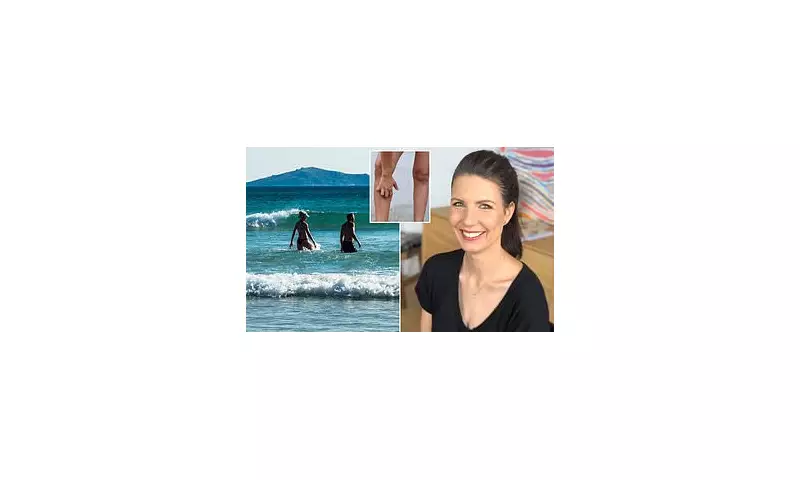
A paediatric nurse has provided a fascinating explanation for the common yet unsettling 'itchy' sensation many people experience after swimming in the ocean, debunking popular myths about so-called 'sea lice' in the process.
The Truth About That Ocean Itch
Sarah Hunstead, the paediatric nurse behind CPR Kids, took to social media this week to address the irritation and 'tingly' feeling frequently reported by both adults and children following a day at the beach. She described it as "the great ocean guessing game" that leaves many families puzzled about what causes their skin discomfort after exposure to seawater.
What's Really Causing the Irritation?
Contrary to widespread belief, 'sea lice' are not specific creatures in Australian waters. Instead, the term serves as a catch-all description for anything that produces that niggly, itchy, uncomfortable pin-prick sensation. According to Sarah, the irritation typically stems from a combination of microscopic marine irritants.

The actual culprits include:
- Tiny crustaceans invisible to the naked eye
- Broken fragments of jellyfish tentacles
- Small jellyfish bodies and their larvae
- Various other microscopic marine particles
This explanation aligns with comments from biologist and jellyfish expert Dr Lisa-Ann Gershwin, who recently discussed reports of 'stingy' water at Seacliff Beach on ABC Radio Adelaide. Both experts emphasise that the sensation comes from multiple sources rather than a single organism.
When to Seek Medical Attention
Sarah stresses that while most cases of ocean itch are mild and temporary, it's crucial to monitor symptoms. "The most important thing - if it causes distress or the condition worsens, it is always best to seek medical attention," she advises. Dr Gershwin adds the practical recommendation that when that tell-tale tingling begins, "maybe it's best to get out of the water."
Other Essential Ocean Facts
Beyond the mystery of ocean itch, several other fascinating marine phenomena deserve attention before your next coastal visit.
Bluebottles: Predictable by Wind Patterns
Ending a beach day with a painful bluebottle sting represents nobody's idea of enjoyment, but contrary to common assumption, their appearance follows predictable patterns. These creatures, common along Australia's east coast, don't actually swim but drift using small sail-like structures since they constitute colonies of several organisms rather than single animals.
Wind direction plays a crucial role: A blustery north-easterly significantly increases bluebottle arrivals onshore. While south-facing beaches might see occasional specimens during southerlies, the risk remains substantially lower. Beachgoers should scan shorelines, consult lifeguards, and remember that spotting one bluebottle typically indicates many more nearby.
Blue-Ringed Octopuses: Masters of Disguise
These tiny but deadly octopuses inhabit Australian rock pools, yet widespread misconceptions persist about their identification. Many mistakenly believe their vivid neon-blue rings make them easily recognizable, but these markings only become clearly visible when the octopus feels threatened or gets handled - precisely when a bite becomes imminent.
The safest approach involves admiring all rock pool creatures from a respectful distance rather than handling them, preventing potentially dangerous encounters with these deceptively cute but lethal marine animals.
Squeaky Beaches: A Geological Phenomenon
So-called 'squeaky' or 'singing' beaches exist worldwide on every continent except Antarctica, with Australia hosting particularly notable examples. One Victorian beach has even earned the nickname 'Squeaky Beach' for the distinctive high-pitched sound produced underfoot.
This acoustic phenomenon requires very specific conditions where both sand and sea meet precise criteria. Singing sand consists almost entirely of white quartz grains - the same crystalline silicon dioxide used in glassmaking. These smooth, rounded, polished grains vibrate against each other to create the characteristic sound.

Most beaches contain mixed rock fragments, crushed shells and organic matter of varying sizes and shapes, preventing the uniform quartz grain arrangement necessary for the squeaking effect. These marine mysteries serve as compelling reminders that even our most familiar coastal environments continue to hold surprising secrets waiting to be discovered.