Recent data and expert analysis have shed new light on shark attack risks across Australia, providing crucial guidance for swimmers and beachgoers seeking to enjoy the nation's iconic coastlines safely. While shark encounters remain rare statistically, understanding the patterns and hotspots can significantly reduce personal risk.
Geographical Safety: Identifying Lower-Risk Locations
Australia's vast coastline exhibits considerable variation in shark attack frequencies, with certain regions posing notably higher hazards than others. Generally, the northern and western coastal areas, particularly in Queensland and Western Australia, report more incidents due to warmer waters and abundant marine life that attract larger shark populations. In contrast, southern regions such as Victoria and Tasmania experience fewer attacks, though swimmers should remain vigilant as isolated events can occur anywhere.
Specific Beach Considerations
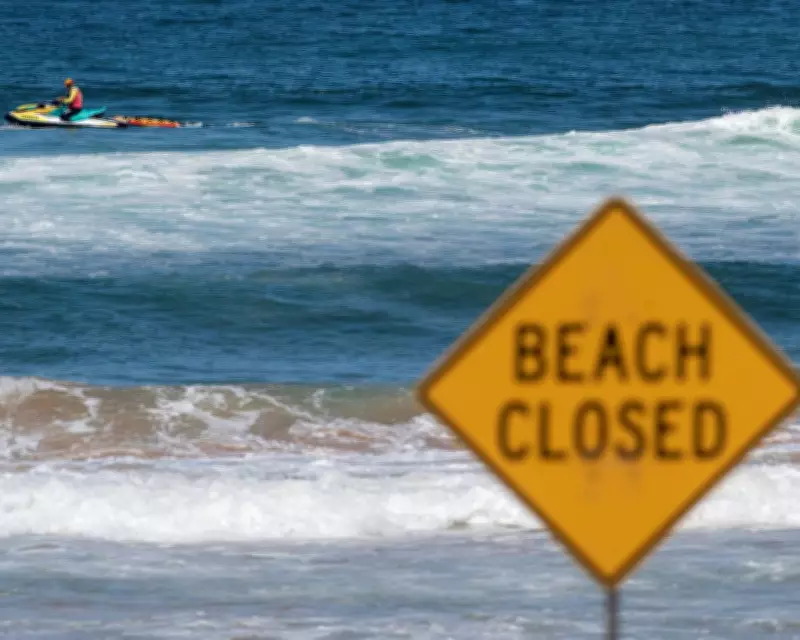
Within each state, some beaches are considered safer due to protective measures like shark nets, drumlines, or aerial surveillance programs. Popular tourist destinations often implement these precautions, but remote or unpatrolled beaches may lack such safeguards. Experts advise checking local council warnings and opting for patrolled beaches where lifeguards can monitor conditions and respond swiftly to any threats.

Temporal Factors: When to Swim and When to Avoid
Timing plays a critical role in shark attack risk, with certain periods of the day and year associated with increased activity. Dawn and dusk are particularly hazardous, as sharks are more active during these low-light hours when their hunting efficiency peaks. Additionally, the warmer months from November to April see a rise in incidents, coinciding with both higher human beach attendance and shark migratory patterns.
Seasonal and Environmental Influences
Beyond daily timing, environmental factors such as water temperature, visibility, and the presence of baitfish can elevate risks. Murky water after storms or near river mouths may obscure sharks and increase the likelihood of accidental encounters. Swimmers are urged to avoid areas where fishing is occurring or where seabirds are diving, as these can indicate baitfish schools that attract predators.
Practical Safety Measures for Swimmers
To minimise risk, authorities recommend adhering to several key precautions. Always swim in groups, as sharks are less likely to approach multiple people. Avoid wearing shiny jewellery or brightly coloured clothing that might resemble fish scales, and refrain from excessive splashing that could mimic distressed prey. Staying close to shore and within designated swimming zones can also enhance safety by ensuring quicker access to help if needed.
Technological and Community Initiatives
Australia continues to invest in shark mitigation technologies, including smart drumlines, drone surveillance, and personal deterrent devices. Community awareness programs educate the public on recognising shark signs and responding appropriately during sightings. While no method guarantees absolute safety, combining these strategies with informed decision-making can drastically reduce the already low probability of an attack.
Ultimately, enjoying Australia's beaches requires a balanced approach—respecting the marine environment while utilising available knowledge to make safer choices. By heeding location-specific advice and avoiding high-risk times, swimmers can confidently partake in coastal activities with greater peace of mind.