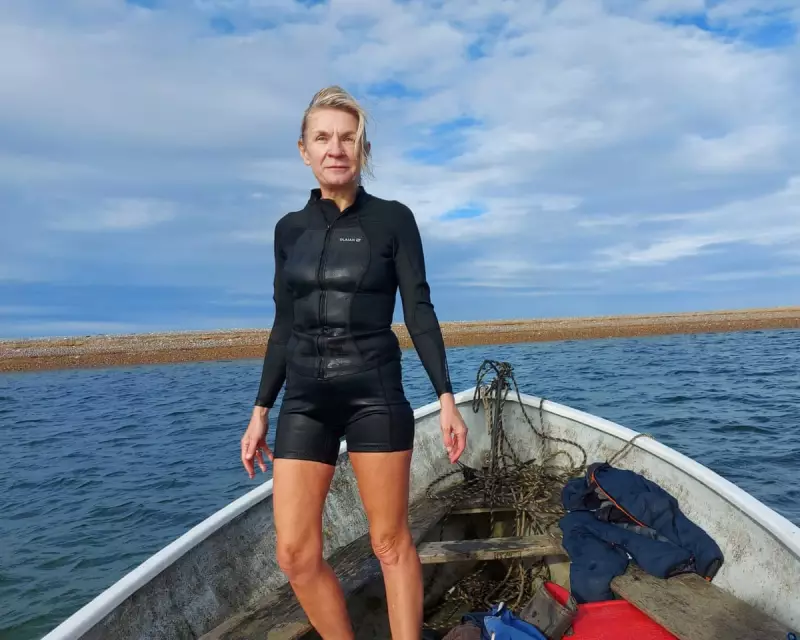
From the front lines of global conflict to the tranquil waters of the North Sea, a former BBC Newsnight producer is spearheading an ambitious ecological mission. Allie Wharf, who once reported from war zones in Iraq, Afghanistan, and Ukraine, has traded documenting human strife for cultivating marine life on the Norfolk coast.
From Newsnight to Nursery: A Sea Change in Career
Burnt out by years covering international conflicts, Wharf, alongside her partner Willie Athill, has founded the Luna Oyster Project. This collaboration between Norfolk Seaweed and Oyster Heaven represents a monumental shift in focus. Their goal is nothing less than the restoration of 4 million oysters to the North Sea, creating what is set to be Europe's largest natural oyster reef.
The project's centrepiece is the first-ever mass deployment of 'mother reef bricks'. These specially fired clay structures, recently installed two miles off the Norfolk coast, provide the essential skeleton for a lost underwater world. Centuries of bottom trawling and human activity have devastated historical oyster beds, leaving barren seabeds where once complex, teeming reefs thrived across British and European waters.

The Meticulous Work of Rebuilding an Ecosystem
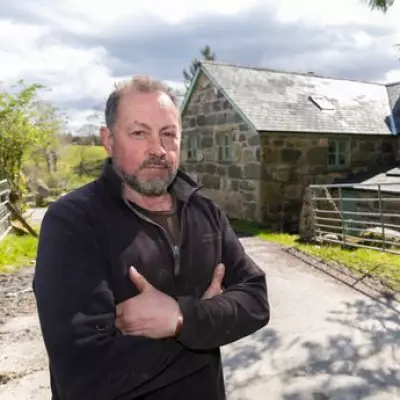
The path to this point has been neither quick nor cheap. The licence application alone spanned 280 pages and cost a six-figure sum, with the permitting process taking over three years. George Birch of Oyster Heaven highlighted the bureaucratic hurdles, noting regulators treated the biodiversity project with the same scrutiny as an oil and gas platform.
Once in the water, the work requires painstaking care. "You have to tend to oysters like babies," Wharf explained, describing the operation as a "sweet nursery." The team is so attentive they are considering playing locally recorded sea sounds to the oysters, creatures known for their sensitivity to acoustic changes in their environment.
In April, the project will enter its next critical phase: millions of baby oysters from Morecambe Bay will be introduced into the nooks and crannies of the new reef bricks. Over time, these oysters will form their own natural structures, potentially connecting with other restoration projects to create a living lattice of biodiversity along England's eastern coastline.
More Than Ecology: Community and Clear Waters
While these native oysters are not destined for the plate, their impact extends far beyond pure ecology. The initiative is a community endeavour, employing local ecologists, project managers, and crew, thereby reviving coastal skills and livelihoods linked to historic shellfish farming.
The ecological benefits are profound. A single oyster can filter up to 200 litres of water every day. Birch paints a picture of a historically crystal-clear North Sea, rendered murky by the loss of trillions of these natural filtration systems. The reefs also act as natural wave breaks, stabilise coastlines, and transform flat seabeds into rich, three-dimensional habitats.
"A reef will create an entire ecosystem out of a barren seabed," Birch stated, citing a trial in the Netherlands. After just one year, a previously bare site hosted 12.7 million new organisms, including crabs, worms, fish, and microbes.
Funding the Future: A Corporate Partnership for Resilience
This scale of restoration requires significant investment. A key funder is pet food giant Purina. Birch clarifies the partnership: "What they are buying from us is supply-chain resilience." Purina sources fish from the North Sea and has a vested interest in ensuring the long-term health and sustainability of that marine resource. By funding the oyster reefs, they are investing in improved water quality and a more robust ecosystem.
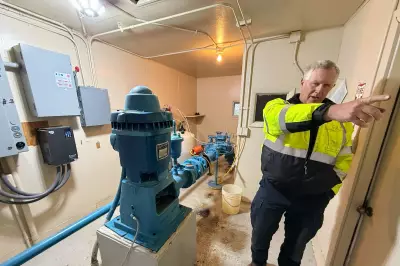
The oysters themselves are fascinatingly complex. They can change sex and are exquisitely attuned to their surroundings. Birch recounted discovering that female oysters in his hatchery only spawned eggs on Mondays, seemingly responding to the quiet of the weekend when human activity lessened. "They know you've come in," he said, noting how the shellfish snap their shells shut when someone enters the room, sensing the pressure change.

For Allie Wharf, George Birch, and Willie Athill, this project represents a hopeful new chapter. They are cultivating millions of sensitive, perceptive lives that will quietly work to reshape the North Sea's seabed, fostering vibrant ecosystems where once there was barrenness—a peaceful mission with a potentially transformative impact.