Iran's Shadow Fleet of Ageing Tankers Poses Catastrophic Oil Spill Risk
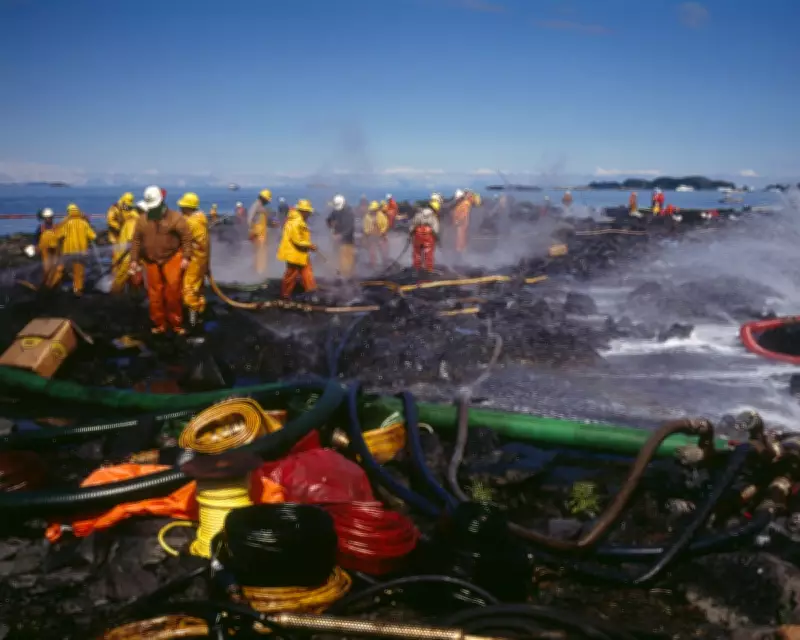
Maritime intelligence analysts have issued a stark warning that Iran's shadow fleet of decrepit oil tankers represents a "ticking time bomb", with a catastrophic environmental disaster only a "matter of time". According to an exclusive analysis, such an oil spill could far exceed the scale of the 1989 Exxon Valdez disaster, which released 37,000 tonnes of crude oil into Alaskan waters.
High-Risk Vessels and Lack of Scrutiny
Pole Star Global assessed 29 Iranian vessels that went dark by switching off their satellite identification systems after the US seized a Venezuelan tanker in December. The analysis revealed that half of these vessels were older than the 20-year recommended safe service life. Operating in the shadows, these tankers are believed to be poorly maintained and likely fail to meet international safety standards.
More than 50 incidents involving shadow tankers worldwide have been reported in recent years, ranging from collisions to oil spills. Between 2021 and 2024, nine oil slicks from Thailand to Italy to Mexico were attributed to Russian dark fleet vessels. However, the Iranian shadow fleet has received little scrutiny until now.

Extreme Risk Categories and Potential Costs
The new analysis placed seven of the 29 vessels in an "extreme risk" category, being over 25 years old, with three exceeding 30 years. Five vessels were both ageing and in the "very large crude carrier" class, capable of holding about 300,000 tonnes of oil. Shadow fleet tankers are typically uninsured, meaning cleanup costs—estimated between $860 million and $1.6 billion—would fall on the affected country.
Saleem Khan, head of data and analytics at Pole Star Global, stated that Iran's shadow fleet includes some of the oldest oil tankers seen in any fleet, with many far beyond their safe lifecycle. "It's like a ticking time bomb," he said, adding that it is inevitable one will run aground or explode, leading to a major spill. "They're carrying oil, oftentimes pressurised, and there's a ton of machinery on board that has to operate perfectly for there not to be an issue, such as a fire or explosion."
Global Impact and Inadequate Response
The total dark fleet of oil tankers is estimated to number many hundreds of vessels, comprising up to 17% of the global tanker fleet. Russia has the largest shadow fleet, and in December 2024, two ageing Russian tankers caused a major spill in the Black Sea after one sank and another ran aground, releasing 4,300 tonnes of oil.
Mark Spalding, president at the Ocean Foundation, emphasized the growing threat: "Iran's shadow fleet represents a significant and growing environmental threat. The question is not whether a major incident will occur, but when and which coastal communities and marine ecosystems will pay the price for a shipping system designed to evade accountability."
Deceptive Practices and International Efforts
Shadow fleet vessels use deceptive practices such as false flags, false ownership, and blocked or spoofed AIS satellite tracking to ship sanctioned goods. The trade in sanctioned oil is worth billions annually, with President Emmanuel Macron noting Russia's shadow fleet trade funds 30-40% of the war in Ukraine.
While the US has been active in seizing vessels, and countries like France and Germany have intercepted ships, the UK has not physically intercepted any, despite the Channel being a shipping bottleneck. However, the UK recently threatened to seize a Russia-linked tanker and has challenged around 600 suspected shadow fleet vessels since October 2024 by requesting proof of insurance.
Recommendations and Regulatory Gaps
The Pole Star Global report concluded that the combination of advanced vessel age, lack of western insurance, and reduced maintenance under sanctions creates an elevated risk of catastrophic environmental damage. A single incident with a larger tanker could lead to toxic oil slicks covering thousands of square miles, mass mortality of marine life, and contamination of 500-1,000 miles of coastline.

Recommendations include enhanced satellite monitoring, stronger port inspections, and sanctions on beneficial owners of high-risk vessels. Saleem Khan noted, "There's definitely no coordinated international effort." The International Maritime Organization is reviewing rules to improve transparency and prevent illegal activities, but enforcement remains fragmented.
A UK government spokesperson affirmed commitment to disrupting shadow fleet vessels, but the lack of global coordination leaves marine environments at severe risk.