A landmark moment for global environmental governance arrived on Saturday, 17 January 2026, as the world's first legally binding treaty to protect marine life in international waters officially entered into force. This historic agreement, known as the High Seas Treaty, concludes nearly two decades of complex negotiations and establishes a new framework for safeguarding the vast ocean areas beyond any nation's jurisdiction.
A Framework for Protecting the Global Commons
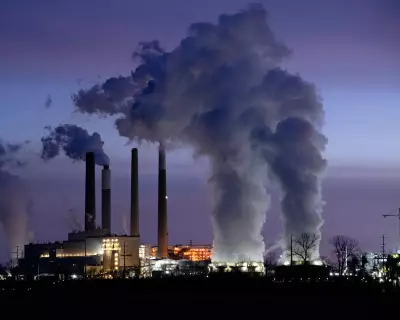
The treaty's scope is monumental, governing nearly half the planet's surface. These international waters, which constitute about two-thirds of the world's ocean, face severe and escalating threats. Destructive fishing practices, rampant plastic pollution, intensive shipping traffic, overfishing, and the looming prospect of deep-sea mining are all degrading these vital ecosystems, with climate change acting as a dangerous multiplier.
The ocean's role as a critical climate regulator, absorbing carbon dioxide and producing oxygen, makes its health indispensable in addressing the broader climate crisis. The treaty became active 120 days after it was ratified by 60 countries in September. Momentum has continued to build, with 83 nations having ratified the pact by Friday, 16 January, including recent endorsements from major maritime powers China and Japan.

Immediate Obligations and Future Ambitions
From its effective date, ratifying countries are now bound by several key obligations. They must collaborate on ocean science and technology and assist developing nations in building capacity for ocean governance. Crucially, companies planning activities with potential to harm marine life must conduct environmental impact assessments meeting the treaty's standards. There are also provisions for sharing benefits from marine genetic resources, such as those used in new medicines.
Perhaps one of the most significant mandates requires countries to promote the treaty's conservation goals within other international bodies that regulate ocean activities, like regional fisheries organisations and the International Maritime Organization.
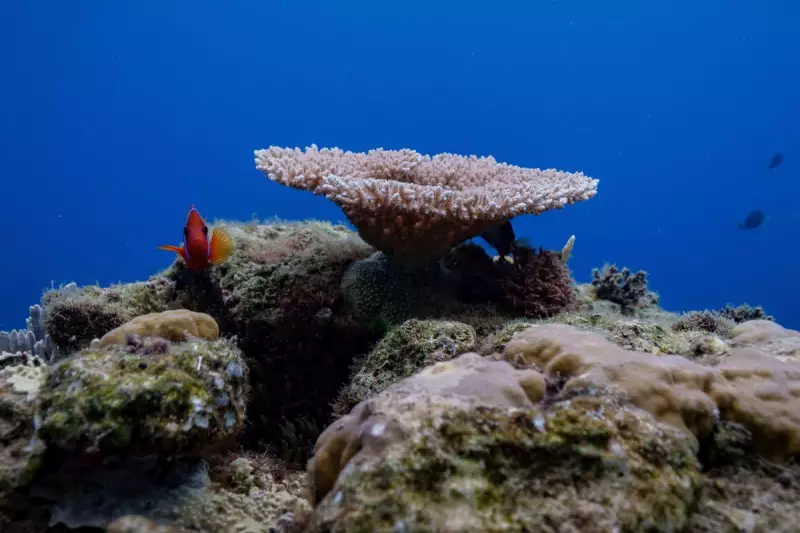
The treaty creates the first-ever legal pathway for establishing Marine Protected Areas (MPAs) on the high seas. Currently, a mere 1% of these international waters are protected. Conservationists have identified potential sites for the first MPAs, including the Emperor Seamounts in the North Pacific, the Sargasso Sea in the Atlantic, and the Salas y Gomez and Nazca Ridges off South America.
The Road to 30x30 and Challenges Ahead
There is intense pressure for swift action. The treaty is viewed as essential for achieving the global '30x30' target—to protect 30% of the world's oceans by 2030, a goal scientists deem critical for marine health. "The marine protected areas under the treaty will only be as strong as the governments make them," stated Megan Randles, global political lead for Greenpeace's Ocean Campaign. She warned against relying on industry self-regulation, emphasising that "We need governments to use the treaty to force their hands."
Key operational details, such as how these vast protected zones will be monitored and enforced, remain to be decided. Rebecca Hubbard, director of the High Seas Alliance, indicated options like satellite technology and coordinated international patrols are being explored. The treaty's first Conference of the Parties (COP) will meet within a year to decide on budgets and committee structures, with the scientific body to review MPA proposals yet to be established.
A notable absence from the list of ratifying nations is the United States, which has signed but not ratified the treaty. While this limits its voting rights, under international law it is still expected to comply with the treaty's objectives. Advocates like Hubbard note the treaty's "incredibly broad and strong political support" globally and believe the U.S. position does not undermine its momentum.

As the machinery of the treaty begins to turn, the focus shifts from diplomatic victory to tangible implementation. In a world often divided, this agreement stands as a testament to the possibility of collective action for the global commons. As Megan Randles reflected, "The treaty is a sign that... protecting nature and protecting our global commons can still triumph over political rivalries. The ocean connects us all."