On the sparkling waters of Spain's Costa Brava, a region famed for its summer influx of British holidaymakers, a quiet but urgent rescue mission is underway. Far from the bustling tourist resorts, local fishermen are joining forces with marine biologists in a groundbreaking effort to save rare corals and sponges from the devastating impacts of climate change, pollution, and historical overfishing.
A Lifeline from the Depths
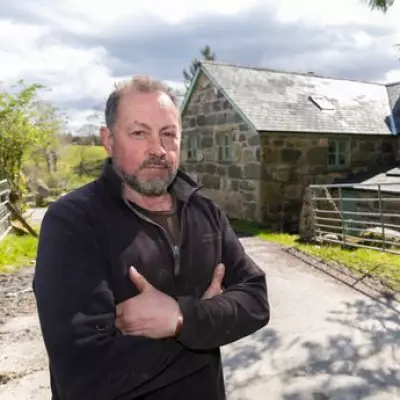
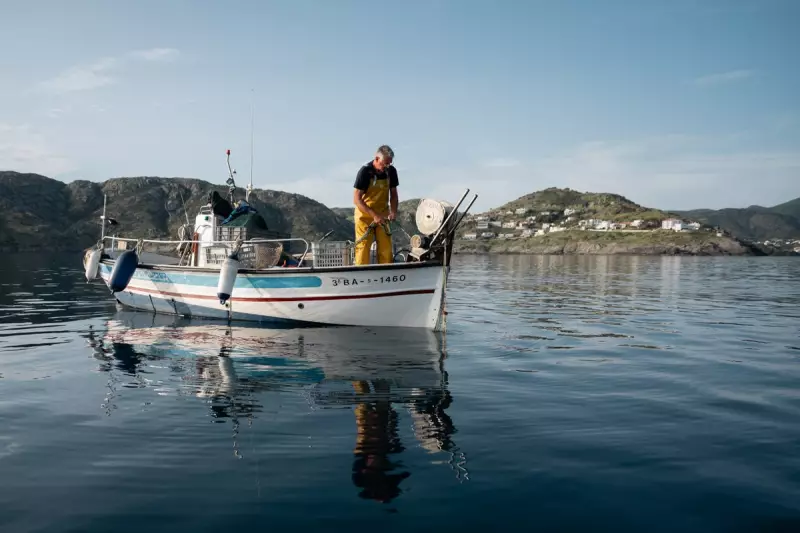
Franc Ontiveros, a 50-year-old fisherman based in the prawn-famous port of Palamós, hauls in his nets. Among his catch of monkfish, mullet, and hake, he now regularly finds tens of delicate, brightly coloured corals. Since 2022, as part of a €3.6 million (£3.15 million) project, he and around 47 other boats along this coastline have been carefully retrieving these accidental bycatches. "If I want the sea to have any future, it makes sense to put something back, like these corals," says Ontiveros, a lifelong fisherman. He acknowledges the industry's past problems but is determined to help: "I am not sure fishing has a future but at least if I do this, I will be trying to do something about it."
Once plucked from the nets, the corals are placed in buckets of seawater before being handed to waiting scientists. They are then transported to special aquariums for assessment. Those strong enough to survive are eventually returned to the sea in designated 'no take' zones along the Catalan coast, where boat movements are monitored to prevent fishing.

The Triple Threat Beneath the Waves
The need for this intervention is dire. Rising sea temperatures, a direct consequence of climate change, are decimating marine life as deep as 50 metres, where temperatures can now reach 25°C. This thermal stress is particularly lethal to sensitive species like the precious red coral, prized for jewellery, which has largely vanished from the western Mediterranean.
Pollution adds another layer of crisis. Clumps of non-biodegradable wet wipes and plastics have accumulated in alarming quantities on the seabed, smothering habitats. Furthermore, decades of overfishing have dramatically degraded complex seafloor ecosystems, leaving species like the Isidella bamboo coral critically endangered.
Jordi Grinyó Andreu, a seafloor ecology researcher at Barcelona's Institute of Sea Sciences leading the project, explains the global scale of the problem: "The coral populations in the Mediterranean have been under high threat... Seafloor ecosystems around the world face the same daunting future." The project is co-funded by the European Union and the Spanish government.
A Model of Hope and Cooperation
The collaboration itself is a beacon of progress. Mr Grinyó highlights the pivotal role of the fishermen, motivated by a desire to safeguard their livelihood for the next generation. "As one said: 'If I want my son to be a fisherman one day, I have to act now'," he notes.
This partnership between science and industry is yielding valuable knowledge that researchers hope to apply elsewhere. New projects are already planned for the Balearic Islands, near Cádiz, and in Sicily, using the Costa Brava scheme as a blueprint.
For Grinyó, the cooperation is the project's greatest success. "This shows that once fishermen and scientists work together, we can achieve great goals towards preserving marine ecosystems," he states. "Fishermen are a key component... working towards achieving a more sustainable form of fishing. Eventually the whole of society will benefit." In the blue waters off Llança, every fluorescent orange coral saved is a small victory in a much larger war for the future of our seas.