Death Valley's Rare Superbloom Transforms North America's Driest Landscape
Death Valley Superbloom: Rare Wildflower Phenomenon

Death Valley's Rare Superbloom Transforms North America's Driest Landscape

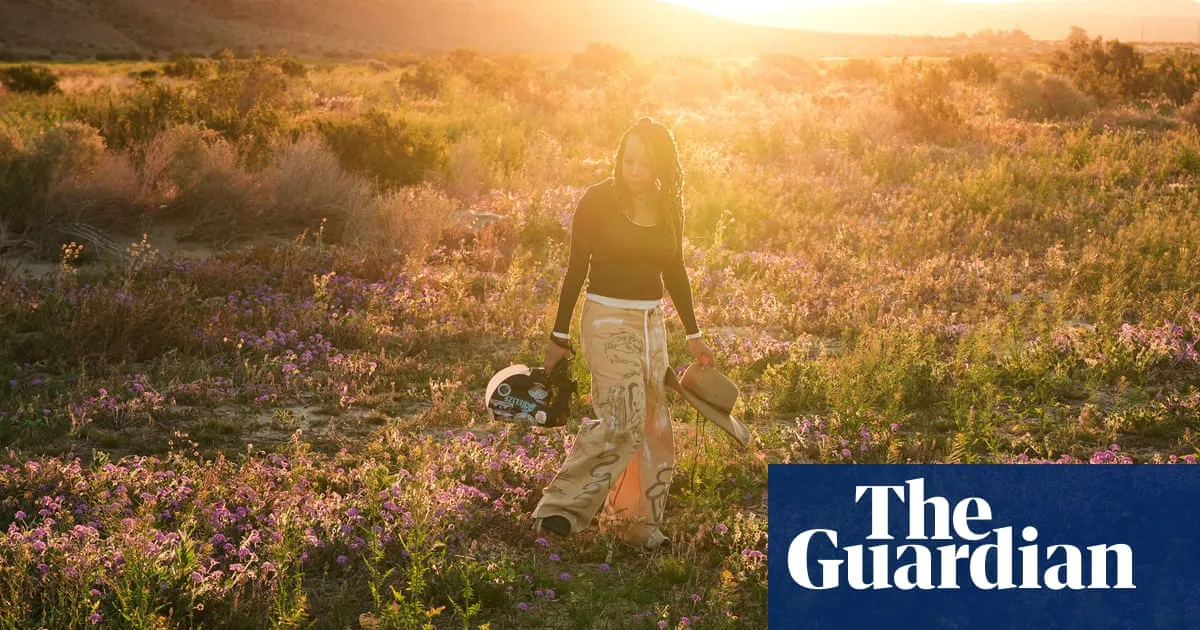
In a remarkable natural event, Death Valley National Park – renowned as North America's driest and hottest expanse – is currently witnessing a rare "superbloom" of wildflowers. This once-in-a-decade phenomenon has transformed the typically arid, brown desert into a vibrant carpet of gold and purple, creating a stunning visual spectacle that is drawing visitors from across the region.

A Desert Bursting with Unexpected Colour

While southern California and Nevada often experience annual wildflower blooms, with some superblooms so extensive they are visible from space, it is highly unusual for Death Valley to display such an explosion of colour. Park ranger Matthew Lamar commented on the striking transformation, stating: "This landscape that sometimes people think of as desolate or devoid of life is coming alive right now with this really beautiful palette of colors."

This year's spectacular display represents the best the park has witnessed since 2016, directly resulting from consistent rainfall and mild temperatures over the past six months. The National Park Service reported that Death Valley received almost a year's worth of precipitation since October, including its wettest November on record with 1.76 inches. This exceptional moisture allowed long-dormant seeds buried deep in the soil to finally germinate and flourish.

The Flowers and Their Significance

The superbloom features several distinctive species that have created a breathtaking mosaic across the desert floor:

  • Desert gold flower (often called the "desert sunflower") blankets large areas of the valley
  • Purple phacelia adds contrasting hues
  • Brown-eyed primrose provides delicate accents
  • Pink desert five-spot sprinkles colour throughout the landscape

Las Vegas resident Jackie Gilbert, who visited specifically to witness the superbloom, appreciated the dramatic contrast between the field of gold flowers, the surrounding mountains, and the blue sky above. She remarked on the flowers' resilience: "It's a good reminder that even in the face of all this adversity, that they can still thrive."

Ecological Insights and Visitor Information

Ecologists emphasize that the superbloom disproves common misconceptions about deserts being devoid of life. Loralee Larios, a plant ecologist at the University of California, Riverside, explained: "The plants and the animals have developed really amazing strategies to be able to persist, and especially in a system like Death Valley that's really sort of characterized by extremes."

Tiffany Pereira, an ecologist and associate research scientist at the Desert Research Institute, added that desert plants have adapted to survive decades without water, waiting patiently for the perfect conditions for their seeds to germinate and spring to life.

For those hoping to witness this ephemeral display, timing is crucial. The fields of flowers at the park's lower elevations are expected to remain until mid-to-late March, depending on weather conditions. Higher elevations will blossom with colour from April through June, according to the National Park Service. Prime viewing locations in early March include areas just north of the Furnace Creek Visitor Center, south along Badwater Road, and Ashford Mill (approximately an hour's drive from the visitor center).

Important Guidelines for Visitors

Ecologists and park rangers strongly advise visitors to adhere to specific guidelines to protect this fragile ecosystem:

  1. Stick to designated trails and avoid trampling on the flowers
  2. Do not pick any flowers – each plucked bloom means fewer seeds for future generations
  3. Avoid touching purple phacelia, which can cause skin irritation
  4. Watch carefully for sphinx moth caterpillars scattered across the desert floor

These caterpillars are currently searching for brown-eyed primrose to consume before burying themselves in the soil to transform into moths, adding another layer to the desert's complex ecological web.

As Ranger Lamar reflected on the rarity of this event: "I think it's a great time to come to Death Valley and have that unique experience because who knows when the next one will happen?" This extraordinary superbloom serves as a powerful testament to nature's resilience and the hidden vitality of even the most extreme environments.




