
The Environmental Protection Authority in Western Australia has ignited a firestorm of controversy by recommending approval for a contentious fracking project in the Kimberley region, a decision branded as "outrageous" by environmental advocates and political opponents alike.
Project Details and Environmental Concerns
The Valhalla project, proposed by Bennett Resources—a subsidiary of US-based Black Mountain Energy—plans to drill up to twenty gas wells in the Canning Basin, approximately 123 kilometres south-east of Derby. This recommendation comes despite significant environmental warnings and public opposition.
Climate scientist Bill Hare, chief executive of Climate Analytics, has projected that if developed as intended, the Valhalla project could increase Australia's greenhouse gas emissions by a staggering 1.8 to 2.6 percent. This substantial contribution to national emissions has raised alarm bells among climate activists and policymakers.
Tourism Industry Under Threat
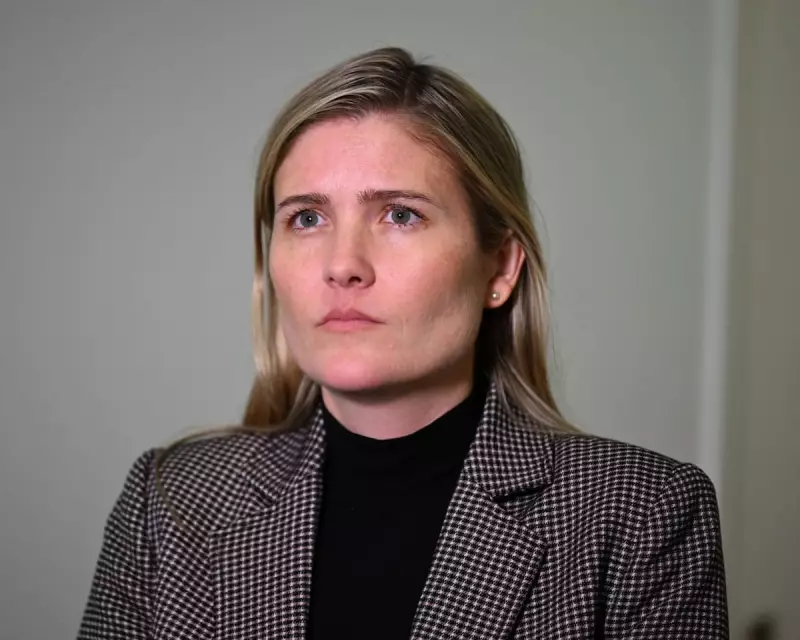
Sophie McNeill, the Greens' fossil fuels spokesperson in Western Australia, condemned the EPA's decision, highlighting the potential devastation to the region's vital tourism sector. "The Kimberley boasts the world's largest and most intact tropical savannah," McNeill stated. "Its breathtaking landscapes and rich cultural heritage draw visitors who contribute approximately $500 million annually to the local economy. This outrageous decision completely disregards overwhelming community opposition to fracking."
Scientific and Regulatory Scrutiny
The EPA's recommendation follows a damning report from the Independent Expert Scientific Committee, published in December, which criticised Bennett Resources' environmental risk assessment as "limited and disjointed." The committee found that conclusions regarding potential impacts on surface water and groundwater resources were "largely unsupported."
Fracking, or hydraulic fracturing, involves injecting high-pressure mixtures of water, sand, and chemicals into rock formations to extract oil and gas. This method has long been controversial due to risks of water contamination and other environmental damage. The EPA acknowledged that fracking was "central to the high level of public concern and interest in the proposal."
Political and Community Backlash
The recommendation arrives months after WA Labor members voted to extend a statewide moratorium on fracking, covering 98 percent of the state. At a press conference, WA Premier Roger Cook attempted to downplay the decision, stating, "This is not a green light for fracking. The EPA has determined that environmental impacts can be managed appropriately. I anticipate this decision will be appealed, so I will refrain from further comment."
Conservation groups have expressed vehement opposition. Matt Roberts, executive director of the Conservation Council of WA, labelled the EPA's move as "reckless," citing unresolved concerns about groundwater contamination, impacts on subterranean fauna, increased emissions, and threats to endangered species like sawfish, ghost bats, and bilbies.
Martin Pritchard, director of Environs Kimberley, warned that fracking could pollute the life-sustaining waters of the Kimberley and endanger rare wildlife, including the National Heritage-listed Martuwarra Fitzroy River. Pritchard called on Premier Cook and Environment Minister Matthew Swinbourn to reject the project, cautioning of "significant electoral consequences" and a backlash extending from the Kimberley to key Perth electorates if they fail to act.
Industry Perspective and Next Steps
In contrast, Rhett Bennett, executive chairman of Black Mountain Energy, described the EPA report as "an encouraging step forward," expressing confidence in the resource development potential of the Canning Basin. The Valhalla project is also undergoing assessment under federal environmental laws.
The EPA's recommendation is now subject to a three-week public appeal period, after which Environment Minister Matthew Swinbourn will make the final decision. This development places immense pressure on the WA government to balance economic interests with environmental protection and community sentiment in one of Australia's most ecologically significant regions.




