
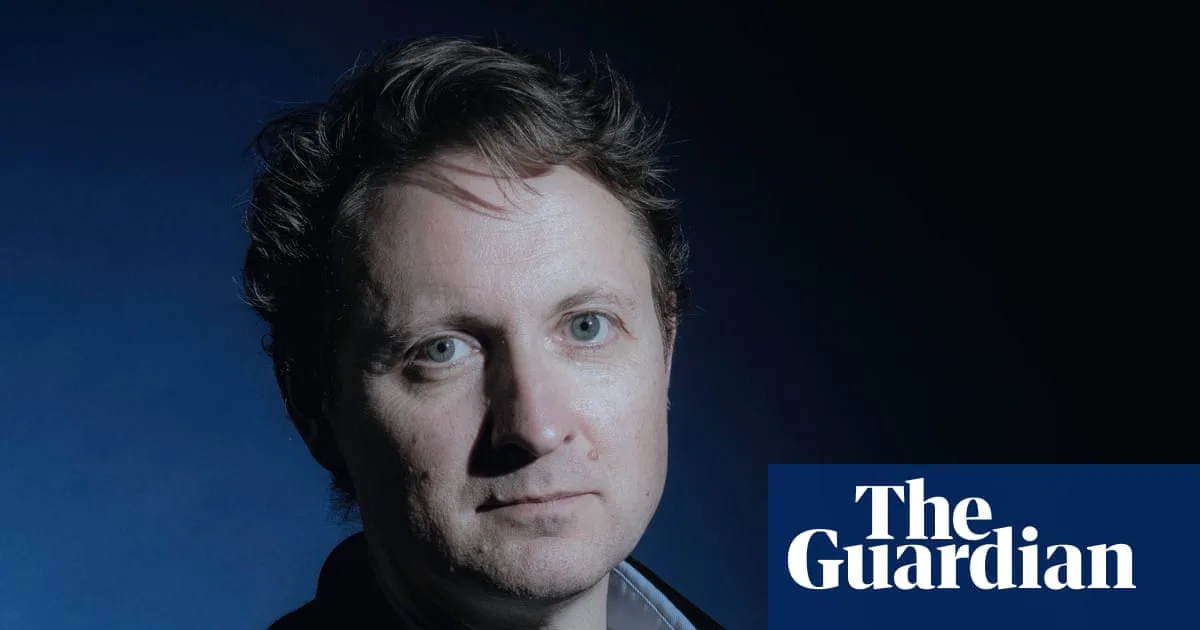
Former British diplomat Arthur Snell has warned that the climate crisis is accelerating global conflicts, migration, and the rise of far-right populism, creating a dangerous new era of geopolitical upheaval. In his new book, Elemental, Snell argues that a heating planet is destabilising physical geography, which in turn drives state power and international relations.
Snell, who served in Afghanistan, Iraq, and Yemen, says the climate crisis acts like 'rising damp' – a subtle but pervasive force that exacerbates existing tensions. He points to drought-stricken Africa and a defrosting Arctic as flashpoints where resource competition is intensifying. Smaller nations, such as Greenland, are finding their natural resources unexpectedly in demand, which can be both a blessing and a curse.
The pace of change is unusually disruptive, Snell notes. 'Normally, we can say: “In so many million years, the map of the world will change.” Well, it will change in the lifetime of normal people living a normal lifespan.' This rapid transformation, he argues, is intensifying geopolitical aspects and fostering a new age of empire.
Snell, who left the Foreign Office in 2014, stresses that democracies are dangerously unprepared for these shifts. He rejects fatalism, insisting that even if the 1.5C target is missed, efforts to mitigate climate change must continue. 'The fact that we’re not going to meet 1.5C doesn’t mean: “Well, let’s not bother because four degrees will be fine.” That would be catastrophic,' he says.
The former diplomat also highlights the potential for new forms of mass migration, including from rich countries to poorer ones, as productive land becomes scarcer. While he avoids putting precise numbers on future starvation risks, he warns that competition for habitable land will intensify, driving further upheaval.




