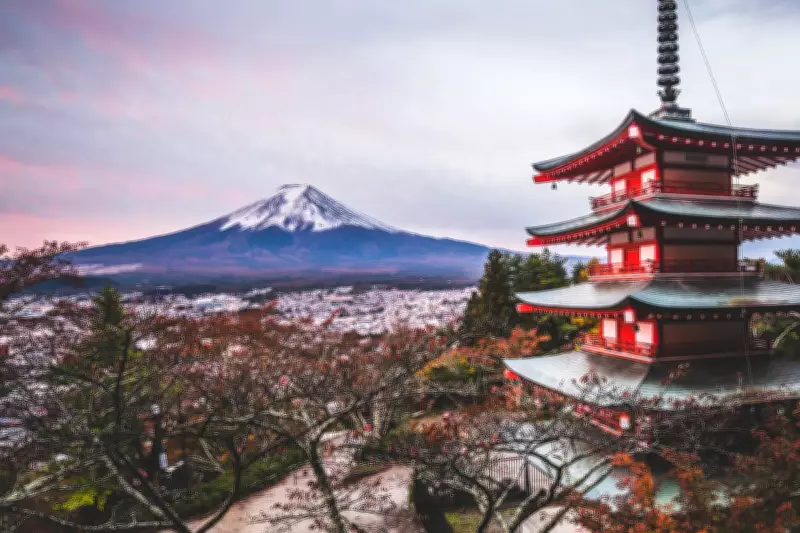
Japanese authorities are making a heartfelt plea to international visitors: please stop tossing coins into the pristine ponds at the base of Mount Fuji. This practice, which has escalated in recent years, is raising significant environmental concerns at a site revered for its natural beauty and spiritual significance.
Sacred Waters Under Threat
The village of Oshino Hakkai, nestled at the foot of Mount Fuji, is home to eight crystal-clear ponds fed by the volcano's melted snow. These waters are not only mineral-rich but also hold deep cultural importance as part of a Unesco World Heritage site dedicated to the worship of the iconic mountain. However, the serene environment is being disrupted by a growing trend of coin tossing by tourists.
Escalating Environmental Impact
Since gaining World Heritage status in 2013, Oshino Hakkai has seen a surge in visitors, leading to an alarming accumulation of coins in the pond beds. Village officials report that around 50,000 coins have been recovered so far, with the numbers continuing to rise. While current water quality tests show no immediate abnormalities, locals and the Yamanashi Prefecture Government are deeply worried about the long-term effects on the ecosystem.

It is crucial to note that coin tossing is not a traditional Japanese practice, making this a modern issue driven by tourist behavior rather than local customs. The foreign coins, often made of various metals, could potentially leach harmful substances into the water over time, threatening the delicate balance of the ponds.
Community Response and Measures
In response to the growing problem, village officials have taken proactive steps to address the issue. Warning signs have been installed in multiple languages around the ponds, clearly advising visitors against throwing coins. Additionally, plans are underway to introduce an offertory box as an alternative for those who wish to make a symbolic gesture without harming the environment.
The local community emphasizes that responsible tourism is key to preserving this sacred site for future generations. They urge all visitors to respect the natural and cultural heritage of Mount Fuji by refraining from activities that could degrade the water quality or disrupt the serene atmosphere.
Broader Implications for Tourism
This situation highlights a broader challenge faced by many popular tourist destinations: balancing visitor access with environmental conservation. As Japan continues to attract millions of tourists annually, incidents like this underscore the need for ongoing education and awareness campaigns to promote sustainable travel practices.
By addressing the coin-tossing issue head-on, Japanese authorities hope to set a positive example for other heritage sites grappling with similar problems. The goal is to ensure that Mount Fuji's ponds remain a source of wonder and inspiration, free from the unintended consequences of well-meaning but harmful tourist actions.