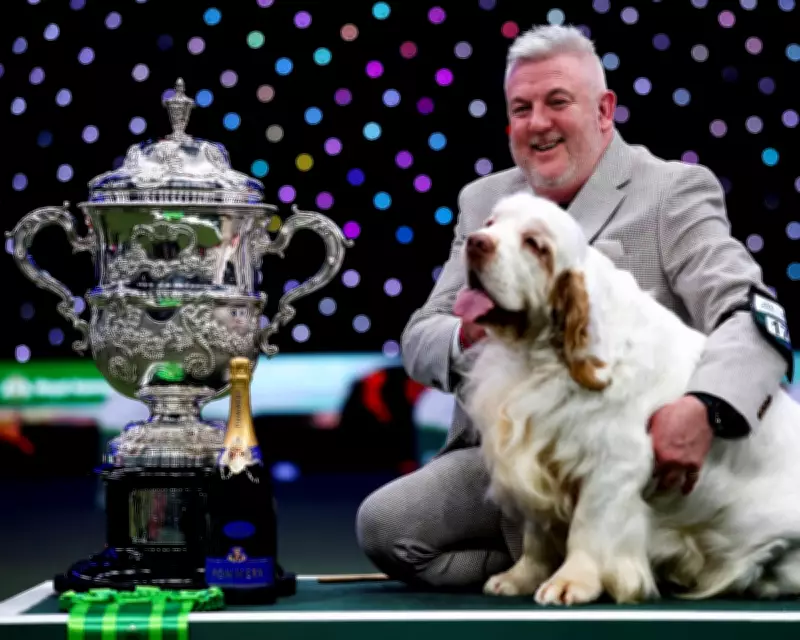
Crufts Winner's Animal Cruelty Conviction Prompts Complaints to Channel 4
Animal charities have lodged formal complaints with Channel 4 following the revelation that the winner of Crufts best in show has a prior conviction for animal cruelty. The winning dog, a four-year-old Clumber spaniel named Bruin, owned by Lee Cox, has been described as an "extreme" breed that endures a "lifetime of suffering" due to its physical features.
Charities Call for Ban on Extreme Breeds and Vetting of Competitors
The RSPCA and Peta have urged for significant reforms at Crufts, including making extreme breeds ineligible for prizes and implementing full vetting procedures for all competitors. Peta has specifically requested that Channel 4 cease broadcasting the show, while the RSPCA advocates for the exclusion of dogs with extreme characteristics such as flat faces, wrinkly skin, short or missing tails, and protruding eyeballs.
These traits can lead to severe welfare issues, including breathing difficulties, inability to blink or sleep normally, and painful conditions affecting the eyes, spine, skin, and teeth. The controversy echoes past events; the BBC discontinued its coverage of Crufts in 2008 after public outcry over the celebration of such breeds, leading to a one-year hiatus before Channel 4 resumed televising the competition in 2010.

Details of Lee Cox's 2001 Conviction
In 2001, Lee Cox was found guilty of animal cruelty for keeping a spaniel with a chronically infected ear that required surgical removal. During a court hearing, an inspector reported visiting Cox's kennel in Somerset and encountering dogs covered in dirt, along with a strong stench from accumulated dog waste and overflowing drains.
The Royal Kennel Club acknowledged the conviction but described it as an "isolated incident 25 years ago," noting that Cox has maintained an "unblemished record" since and has made a "significant positive contribution to the world of dogs."
Welfare Concerns Over Extreme Breeds
Lauren Bennett, a dog welfare expert at the RSPCA, highlighted the extreme features of the winning Clumber spaniel, comparing it to historical images from 1900 to illustrate the breed's deterioration. She explained that such breeds often suffer from conditions like entropion and ectropion, where eyelids turn inward or droop, causing chronic pain, irritation, and potential permanent sight damage. Additionally, their long backs and short legs increase the risk of spinal problems.
Bennett warned that celebrating these breeds at major events like Crufts normalizes and glamorizes features that severely impact welfare, leading to a lifetime of pain for the animals.
Historical Controversies and International Actions
Crufts has a long history of controversy regarding extreme breeds. In 2024, a bulldog with "no discernible nostrils" won a prize despite breathing concerns, and in 2016, a "deformed" German shepherd with a sloping back and limp took best in show. Kate Werner, Peta's senior campaigns manager, has written to Channel 4, criticizing the lack of a robust system to prevent individuals with cruelty histories from being celebrated and stating that any act of cruelty should end a person's involvement with animals for life.
In 2008, the BBC attempted to ban breeds like the cavalier king charles spaniel from Crufts as a condition for continued broadcasting, but the Kennel Club refused. Notably, Norway has banned breeding this breed due to up to 95% of its population suffering from chiari-like malformation, a painful neurological condition caused by an undersized skull.
Responses from Channel 4 and The Kennel Club
A Channel 4 spokesperson emphasized that the broadcaster has no influence over judging and that its coverage reflects ongoing debates about dog welfare. The Kennel Club stated that all registered pedigree breeds are eligible for Crufts, with health entry requirements in place for certain breeds, which are regularly reviewed alongside a health standard for evidence-based testing.
Lee Cox has been contacted for comment but has not yet responded. The incident has reignited discussions about animal welfare standards in competitive dog shows, prompting calls for stricter regulations and ethical considerations.