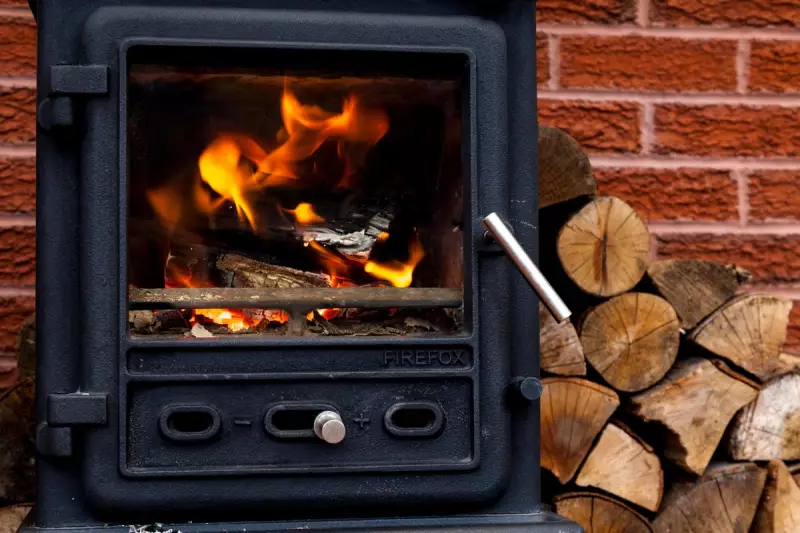
The UK government is set to consult on stricter regulations for domestic wood burners and solid fuel stoves, a move that could lead to a ban on certain models. This initiative forms a key part of the updated Environmental Improvement Plan (EIP), which aims to significantly improve air quality across the nation.
New Targets for Cleaner Air
Central to the revised plan is a stringent new goal to reduce concentrations of fine particulate matter, known as PM2.5. The government has committed to cutting these harmful emissions by 30% by the year 2030, using 2018 levels as a baseline. This ambitious target aligns the UK's standards with those set by the European Union.
Rosamund Kissi-Debrah, a prominent clean air campaigner, has welcomed the new PM2.5 objective. She described it as a positive and necessary step forward in the ongoing battle for healthier air, which is linked to numerous respiratory and cardiovascular conditions.

Broader Environmental Ambitions
The updated EIP encompasses a wide range of environmental measures beyond air quality. It sets out clear targets for habitat restoration, aiming to recover 250,000 hectares of wildlife-rich spaces. Furthermore, the plan seeks to reduce the impact of invasive non-native species by 50% before the end of the decade.
In a notable move for the agricultural sector, the government will also consult on the use of methane-suppressing feed for cattle, aiming to curb emissions from livestock.
Funding for Nature Recovery
Substantial funding has been allocated to support these environmental goals. The Treasury has earmarked £500 million for landscape recovery projects and a further £85 million for peatland restoration efforts. An additional £3 million is designated to improve public access to natural spaces, encouraging people to connect with the outdoors.
The consultation on wood burners, which will focus on tightening rules to lower smoke emissions, marks a direct attempt to tackle a visible source of local air pollution in homes and communities across the country.