US Carbon Emissions Rose 2.4% in 2025, Reversing Clean Energy Gains
US greenhouse gas emissions increased in 2025

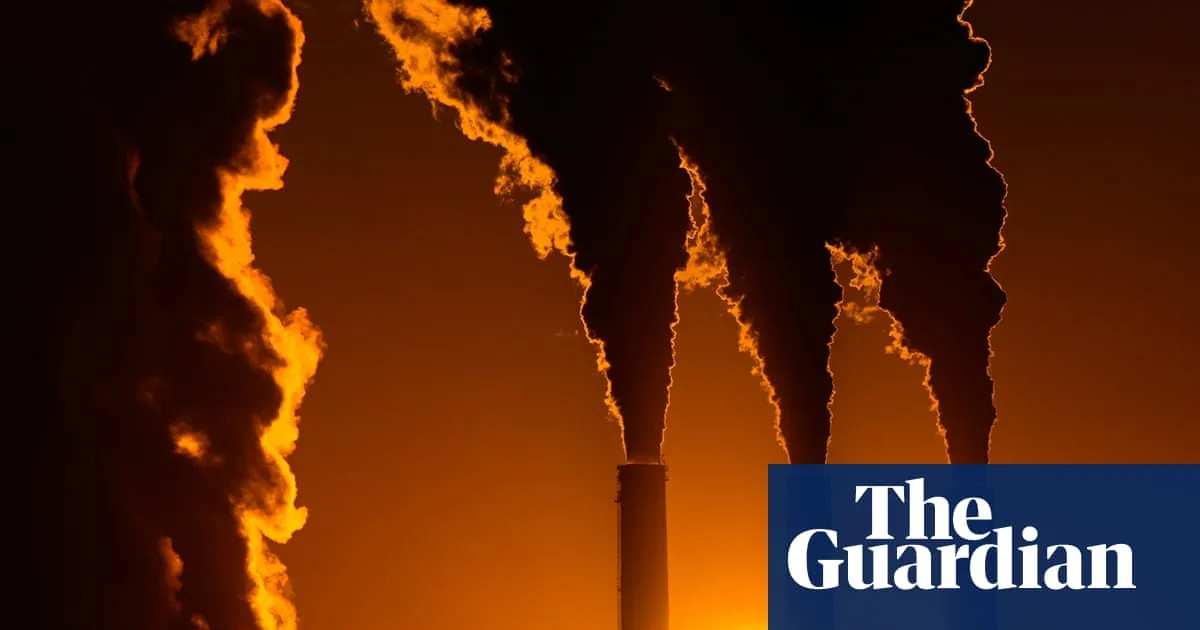
In a significant setback for climate efforts, the United States recorded an increase in its greenhouse gas emissions during 2025, breaking a years-long trend of reductions. According to a major new study, heat-trapping pollution from fossil fuels rose by 2.4% compared to the previous year.

What Drove the Increase in US Carbon Pollution?

The analysis, published by the independent research firm Rhodium Group on Tuesday, pinpoints several key factors behind the rise. Researchers calculated that the US released the equivalent of 5.9 billion tons of carbon dioxide into the atmosphere in 2025. This marks an increase of 139 million tons from 2024 levels.

Ben King, a director at Rhodium's energy group and co-author of the study, explained the reversal. "We saw pollution actually growing faster than economic activity last year," he stated. This decoupling ends a period where economic growth had been achieved alongside falling emissions, thanks to cleaner energy.

The primary drivers were a colder-than-average winter, which increased demand for heating from natural gas and oil, and a surging electricity demand from two energy-intensive sectors: data centres and cryptocurrency mining. This demand was met in part by a 13% rise in coal-fired power generation, a fuel source that had been in steep decline.

Policy Impact and the Future Energy Mix

Notably, the study authors found that environmental policy rollbacks initiated under the administration of President Donald Trump did not significantly contribute to the 2025 increase, as they were only implemented later. However, their future impact is a major concern.

King projected that the expected drop in US emissions by 2035, compared to 2005 levels, is now forecast to be about one-third less than pre-Trump administration estimates due to these policy shifts.

Despite the overall rise, the report highlighted a bright spot: solar power generation surged by 34%, overtaking hydroelectric power. Zero-carbon sources now supply 42% of US electricity. King noted the enduring economic case for renewables, suggesting administration opposition may struggle against fundamental market forces.

Expert Reactions: A 'Harbinger' and an 'Unforced Error'

Climate experts not involved in the study reacted with alarm to the findings. Jonathan Overpeck, dean of the School for Environment and Sustainability at the University of Michigan, called the increase a likely "harbinger of what’s to come."

"The US federal leadership continues to make what amounts to a huge unforced economic error by favouring legacy fossil fuels when the rest of the world is going all in on low-carbon technology," Overpeck said, warning of harm to both the economy and air quality.

Longtime climate activist Bill McKibben offered a blunter assessment: "It’s so incredibly stupid that the US is going backwards on this stuff."

The Environmental Protection Agency, in a statement, said it was not familiar with the Rhodium report and emphasised it is "carrying out our core mission of protecting human health."

With the report covering just a single year of data, King urged caution, stating, "We need to see the extent to which this trend sustains." The findings underscore the fragile nature of emissions progress and the powerful influence of both market dynamics and political will on the fight against climate change.



