An explosive new analysis from Oxfam has revealed the staggering scale of carbon inequality, showing that the world's wealthiest individuals have already consumed their entire fair share of carbon emissions for the year 2026.
The Shocking Speed of Carbon Consumption
According to the research, the richest 1% of the global population used up their annual carbon budget in just ten days. The disparity grows even more extreme among the ultra-wealthy: the top 0.1% exhausted their allowance in a mere three days.
This rapid consumption starkly contrasts with the carbon footprints of the majority. Oxfam highlighted that the United Kingdom's own richest 1% produce more carbon pollution in just over a week than the poorest half of the population does in an entire year.

Double Impact: Emissions and Investments
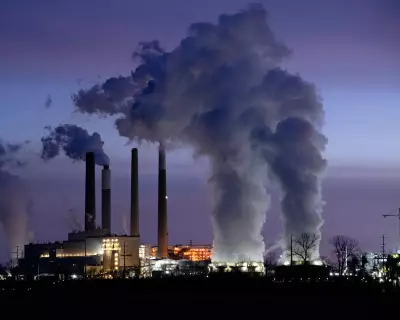
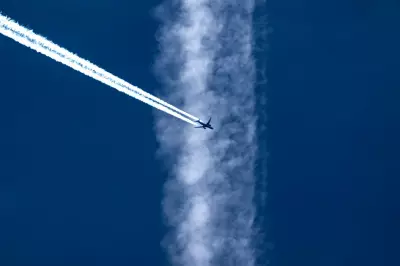
The problem is twofold. Not only do the super-rich, frequently using private jets and other high-emission luxuries, generate a disproportionate volume of emissions directly, but their financial power also fuels the crisis. Their investment portfolios are heavily weighted towards the world's most polluting industries.
On average, a single billionaire's investment portfolio is linked to companies that will produce approximately 1.9 million tonnes of CO2 annually. This is roughly equivalent to the yearly emissions from 400,000 petrol-powered cars.
Call for Action and a Fairer Tax System
Oxfam is now calling for urgent political intervention. The charity has directly appealed to Britain's Chancellor, demanding increased taxes on what it terms "climate-polluting extreme wealth." It argues that the wealthiest individuals and corporations wield disproportionate influence and must bear a fairer share of the cost for climate action.
"Repeated opportunities to make the richest pay their fair share for climate action have been missed in the UK, but there is still so much that can be done," said Beth John, a climate justice adviser at Oxfam GB. "Fairly taxing the biggest polluters, such as private jets and oil and gas companies, is an obvious place to start to generate the funds needed to transition to a fairer, greener future."
The consequences of inaction are severe and unequally distributed. Oxfam stresses that the worst effects of these emissions will be felt by those least responsible: people in low-income countries on the frontlines of climate breakdown, Indigenous communities, women, and girls. The potential global economic damage from this crisis could reach a staggering £44 trillion by 2050.
To align with the Paris Agreement's goal of limiting global heating to 1.5°C above pre-industrial levels, the richest 1% would need to slash their emissions by a colossal 97% by the year 2030. The findings present a clear challenge to governments worldwide to address the fundamental link between extreme wealth and the escalating climate emergency.