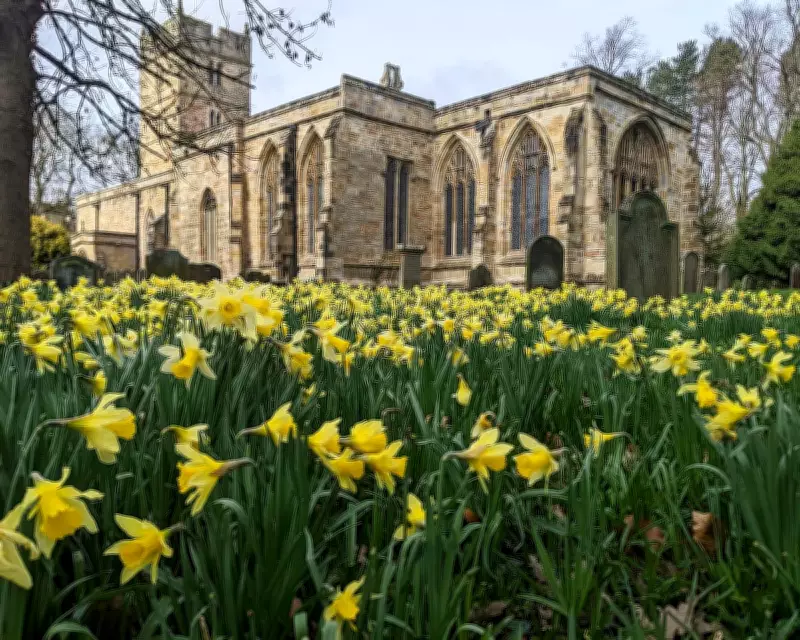
Amidst the rolling hills and ancient lanes of rural England, a quiet vitality thrives in the most unexpected of places: the churchyard. Far from being mere repositories for the departed, these sacred grounds, when managed with care and foresight, become vibrant havens for wildlife and a testament to the delicate balance between human heritage and nature's resilience.
A Sanctuary for Biodiversity
Well-kept churchyards are often surprisingly rich in flora and fauna. The combination of old stone walls, carefully tended grass, and mature yew trees creates a microclimate that supports a diverse array of species. Mosses and lichens cling to weathered headstones, while wildflowers such as cowslips, bluebells, and primroses emerge in spring, providing essential nectar for bees, butterflies, and other pollinators. The undisturbed soil beneath the turf is a haven for invertebrates, from beetles to earthworms, which in turn attract birds like robins, blackbirds, and wrens.
The Role of Traditional Management
The key to this ecological richness lies in traditional management practices. Unlike modern, manicured lawns, churchyards that are mown only once or twice a year allow wildflowers to set seed and grasses to grow tall, offering cover for small mammals and nesting birds. The careful retention of dead wood and leaf litter provides habitat for fungi and insects, while the absence of pesticides and herbicides ensures a healthy, natural ecosystem. This approach, often championed by local conservation groups and church volunteers, mirrors the ancient practice of hay meadow management, preserving a landscape that has largely disappeared from the wider countryside.

Heritage and Wildlife in Harmony
Churchyards are also repositories of local history, with gravestones dating back centuries. The inscriptions and carvings offer glimpses into the lives of past communities, while the very stones themselves, often made of local limestone or sandstone, provide a substrate for rare lichens. The yew trees, some of which may be over a thousand years old, are living monuments, their gnarled trunks and dense foliage offering shelter for roosting birds and bats. Managing these spaces requires a delicate touch, balancing the need to preserve historical features with the desire to encourage wildlife. This often involves leaving certain areas uncut, planting native species, and installing bird and bat boxes.
A Model for Conservation
The quiet vitality of a well-managed churchyard serves as a powerful example of how small-scale, community-led conservation can make a real difference. In an age of intensive agriculture and habitat loss, these pockets of biodiversity are more important than ever. They provide stepping stones for wildlife across the landscape, connect people with nature on their doorstep, and offer a place for quiet reflection. As one local volunteer remarked, 'It's not just about the dead; it's about the living – the birds, the bees, the flowers. We are custodians of this little piece of earth, and we have a duty to look after it.'
Challenges and Opportunities
However, managing a churchyard for wildlife is not without its challenges. Limited resources, an aging volunteer base, and conflicting views on how the space should look can all pose difficulties. Some parishioners prefer a tidy, closely cropped lawn, while others embrace a more naturalistic approach. Education and dialogue are key to finding a middle ground. Many churches now hold open days, guided walks, and wildlife surveys to engage the community and demonstrate the value of their efforts. Grants from conservation charities and local councils can also help with the costs of tools, training, and interpretation boards.
In conclusion, the well-managed churchyard is a microcosm of what conservation can achieve when people work together with patience and respect for both nature and history. It is a place where the past and present coexist, where the quiet hum of insects and the song of birds provide a soundtrack to centuries of human stories. As we face an uncertain environmental future, these small, sacred spaces offer a glimmer of hope and a reminder that even the most modest of places can be teeming with life.