National Parks Issue Dire Quicksand Warning as Spring Break Visitors Arrive
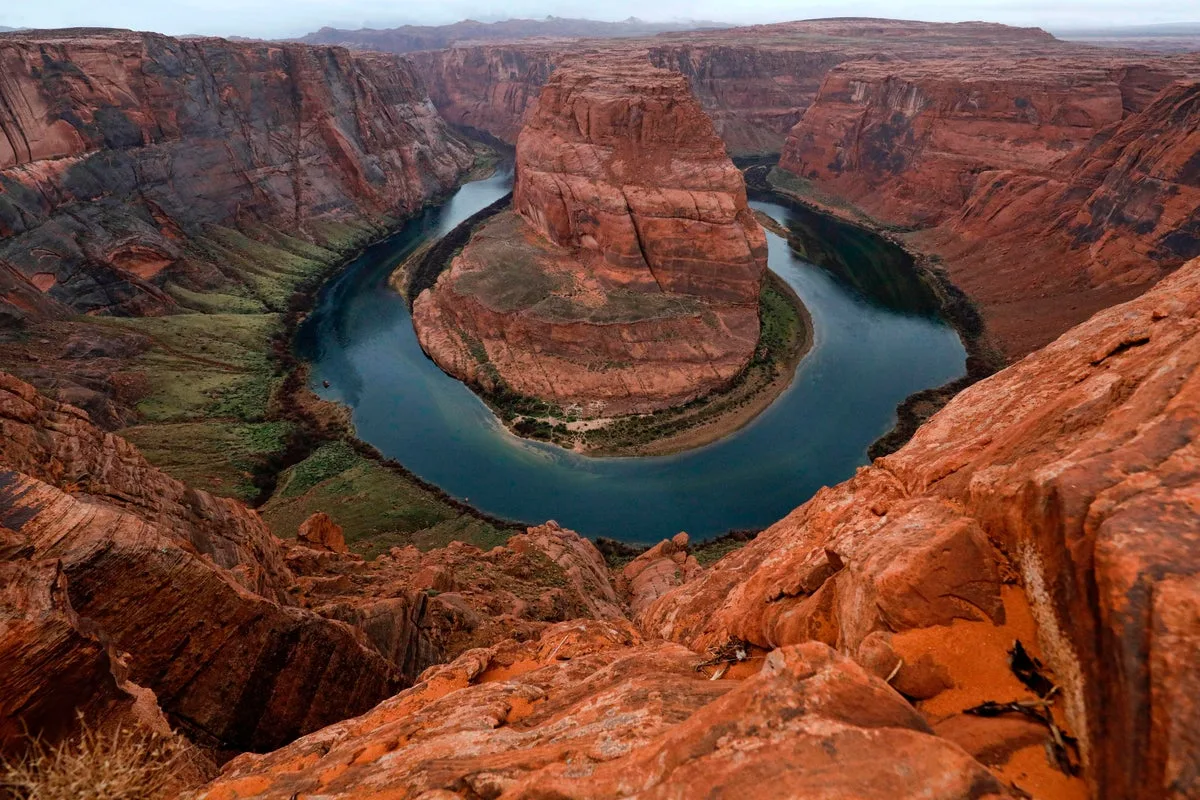
The National Park Service has issued a dire warning for travelers headed to Glen Canyon National Recreation Area, a popular desert destination spanning over 1.25 million acres between Arizona and Utah. Park officials report that quicksand has been spotted throughout the park, presenting a significant hazard just as families begin arriving for spring break vacations.
Immediate Danger in Popular Tourist Area
"Quicksand may be present near the shoreline and in drainages throughout the park," the park service stated in their urgent alert. "It can appear dry and firm on the surface but may suddenly give way without warning." The recreation area, which includes the massive Lake Powell - the second-largest man-made lake in the United States - attracts thousands of visitors during the spring season.
Park rangers emphasize that quicksand represents a genuine danger despite its frequent portrayal as a dramatic peril in movies and television shows. This mixture of sand and water or sand and air appears solid initially but becomes dangerously unstable when disturbed.
Recognizing the Warning Signs
The National Park Service urges visitors to remain vigilant for specific warning signs that may indicate quicksand presence. These indicators include unexpected water seepage, shifting or rippling soil, and ground that vibrates underfoot. Additionally, dry-looking surfaces that feel spongy when stepped upon, along with visible depressions in the ground, may signal unstable conditions.
"Recognize unstable, shifting, or unusually soft ground, and use caution when entering through these areas," park officials emphasized in their comprehensive safety guidance.
Survival Techniques and Recent Incidents
Park rangers provide specific instructions for anyone who might become trapped in quicksand. The primary advice is to remain calm and avoid sudden movements, which can cause the body to sink deeper into the unstable mixture. Those caught should lean back to distribute their body weight more evenly before working their legs upward with slow, controlled motions.
Victims can also use sturdy objects for leverage, such as branches or trekking poles, to assist in extraction. While quicksand incidents might seem improbable, recent cases demonstrate their real-world occurrence.
Last December, an experienced hiker at Utah's Arches National Park sank into quicksand up to his thigh while traversing a small canyon. Unable to free himself, he activated an emergency satellite beacon, prompting rescue teams to save him from near-freezing conditions.
More recently in February, rescue crews spent hours extracting Andrew Giddens, a 36-year-old Florida man from Jacksonville, who had been reported missing on Valentine's Day. Found stuck in frozen, shoulder-deep mud on February 25, Giddens required careful extraction as responders had to progress slowly to avoid sinking themselves.
"Due to the instability of the ground, responders had to progress slowly so they would not sink," the sheriff's office reported. After his rescue, Giddens was flown by air ambulance to a trauma center in critical condition, highlighting the severe consequences quicksand encounters can produce.
Understanding the Real Risks
Beyond immediate entrapment, getting stuck in quicksand can lead to secondary dangers including hypothermia and dehydration, particularly in desert environments where temperature extremes are common. These conditions can become fatal if victims remain trapped for extended periods without proper intervention.
The National Park Service's warning comes at a crucial time as increased visitor numbers during spring break elevate the potential for hazardous encounters. Park officials stress that awareness and preparation are essential for anyone exploring natural areas where unstable ground conditions may exist.




