High Court Greenlights Judicial Review in Wivenhoe's Oak Tree Dispute
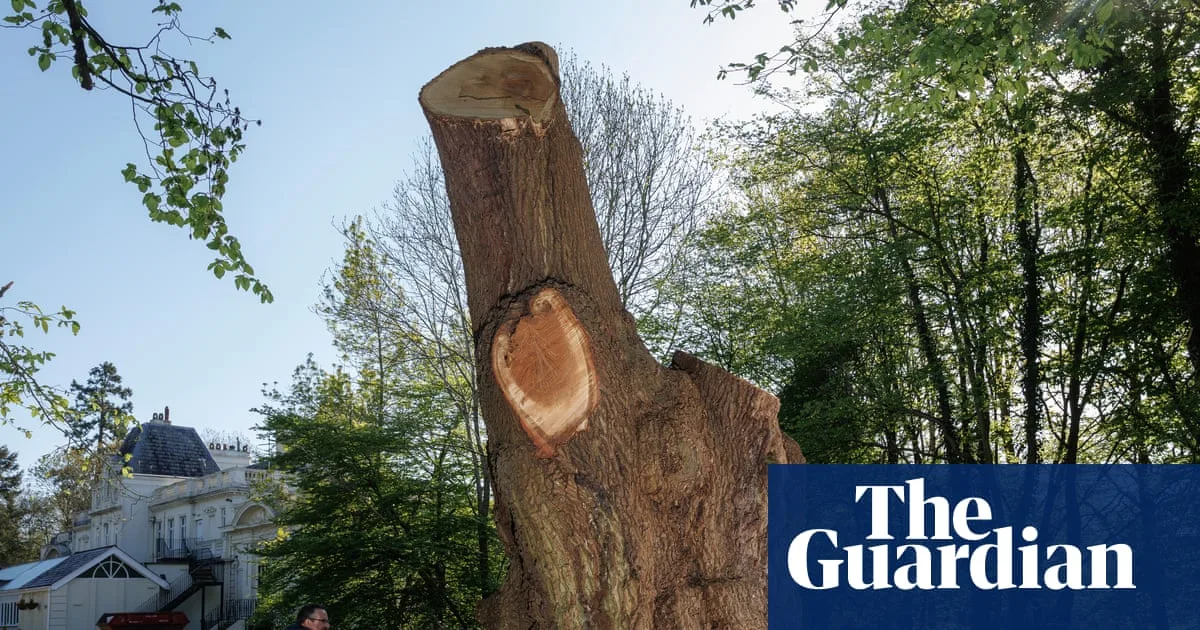
A protracted conflict over a 170-year-old oak tree, dubbed 'Old King George', has escalated in Wivenhoe, Essex, following a High Court ruling that grants campaigners permission to pursue a judicial review. Wivenhoe Town Council, backed by insurer Aviva, continues to plead for authorization to chop down the tree, citing Acute Oak Decline disease and subsidence damage to nearby Victorian homes. However, activists are celebrating the legal development as a pivotal moment in their fight to preserve the historic oak.
Roots of the Conflict: Safety Concerns vs. Conservation
The dispute centers on the majestic oak, believed to date back to the Victorian era, located in a car park adjacent to a row of homes and a railway track. Neighbors have complained that the tree's underground roots cause subsidence, threatening property foundations. Aviva has asserted that felling is necessary to address these risks. In response, the council has emphasized new analysis indicating the spread of Acute Oak Decline (AOD), a disease prevalent in North Essex with no known cure, which could reduce the tree's lifespan to three to five years.
Council statements highlight safety imperatives, referencing a recent DEFRA letter urging action on trees posing risks to life, following tragic incidents of falling branches nationally. They argue that delays exacerbate financial liabilities and homeowner distress, with the process now in its fourth year. Conversely, campaigners led by 32-year-old architect and sustainability specialist Kat Scott challenge the council's evidence, demanding transparency and exploration of alternatives before resorting to felling.
Legal Maneuvers and Community Mobilization
The judicial review permission, confirmed via High Court papers, mandates the council to file a detailed response within 35 days, with campaigners given 21 days to reply. This legal pathway offers hope for an independent determination of the issues. Meanwhile, the council seeks to lift an existing injunction, imposed last February, to proceed with felling immediately, citing the AOD infection and reduced life expectancy.
Activists have mobilized robustly, chaining themselves to the tree last year and staging a noisy protest outside Aviva's London HQ in December, demanding the release of technical evidence. They argue that the oak and a nearby threatened horse chestnut provide significant environmental benefits, such as cooling a playground by 6°C to 8°C in summer and supporting biodiversity. A CrowdJustice fundraiser aims to raise £20,000 for legal costs, with over 5,000 signatures on a petition to save the trees.
Conflicting Reports and Expert Opinions
The battle is fueled by conflicting reports. The council relies on two confidential reports from arboreal experts and Colchester City Council's officer, concluding that tree removal is required. In contrast, an independent report commissioned by campaigners, funded through £20,000 in crowdfunding, suggests multiple potential causes of ground movement, including drainage issues, railway vibrations, and shallow foundations. Campaigners accuse Aviva and the council of secrecy, keeping residents in the dark about the extent of home impacts.
Kat Scott expressed mixed emotions, noting the judicial review provides confidence but warning against an "academic victory" if the tree is felled prematurely. She highlighted personal stakes, fearing for her two-year-old daughter who enjoys the shaded play area. Richard Buxton of Richard Buxton Solicitors urged the council to concede responsibly, given their lack of defence offered so far.
Path Forward and Stakeholder Positions
Wivenhoe Town Council maintains that removal is essential based on extensive evidence and hopes the court will support this view. They emphasize the urgency due to safety risks and financial pressures. Aviva has described the matter as "complex and sensitive," committed to resolving it while citing policy confidentiality. Campaigners, pledging full cooperation, continue to advocate for transparency, community engagement, and alternative solutions, setting the stage for a potentially months-long legal showdown that will determine the fate of a cherished local landmark.