In a move that has sent shockwaves through environmental circles, Dr Tom Van Lent, the esteemed senior scientist who dedicated nearly two decades to saving Florida's Everglades, has been abruptly removed from his position at the Everglades Foundation.
A Career Dedicated to Restoration
For 17 years, Dr Van Lent served as the architect behind the foundation's scientific strategy, becoming the public face of one of America's most ambitious environmental rescue missions. His comprehensive annual report card on the Everglades' health had become the gold standard for measuring progress in the multi-billion dollar restoration effort.
The timing couldn't be more concerning, coming as Florida's new governor, Jeanette Núñez, assumes leadership of the foundation's board. Environmental advocates fear this signals a dangerous shift toward prioritising agricultural and development interests over scientific conservation.

The Stakes for America's River of Grass
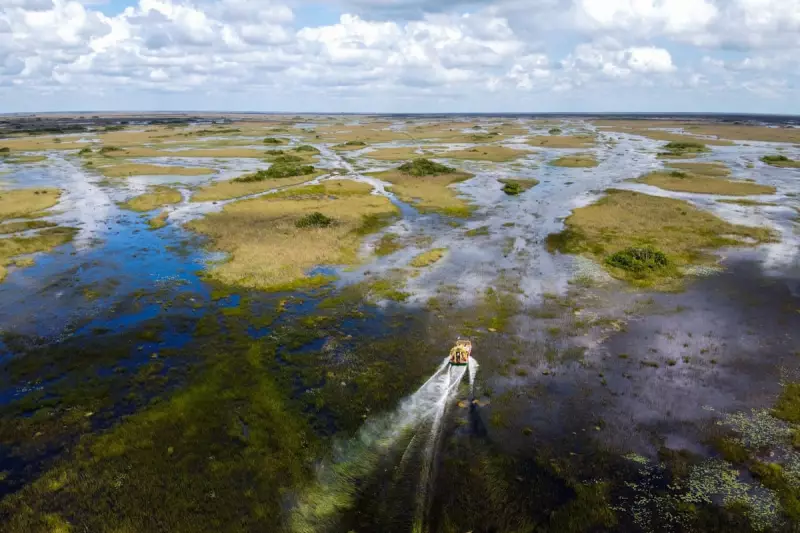
The Everglades represents one of the world's most unique ecosystems, often described as a "river of grass" flowing slowly across Florida. This vast wetland system faces multiple threats:
- Pollution from agricultural runoff
- Disrupted water flows due to development
- Saltwater intrusion from rising sea levels
- Loss of critical wildlife habitat
Dr Van Lent's work focused on reversing these damages through carefully engineered water management solutions that aimed to restore natural flow patterns while balancing human needs.
Scientific Integrity Under Threat
What makes Dr Van Lent's departure particularly alarming is the foundation's refusal to release his final report card assessing the Everglades' current health. This document traditionally provides the scientific backbone for policy decisions and funding allocations.
"When you silence your chief scientist and suppress their work, you're not just losing expertise - you're compromising the entire restoration effort," one former colleague noted anonymously.
Political Winds Shifting Conservation Priorities
The foundation maintains the decision was part of routine organisational restructuring. However, insiders suggest increasing pressure to align with state government priorities that may favour economic development over environmental protection.
With billions of dollars in federal and state funding at stake, and the very survival of the Everglades hanging in the balance, the scientific community watches with growing apprehension. The fear is that without independent scientific oversight, political expediency could undo decades of painstaking restoration work.
The question now facing conservationists: Can the Everglades survive when science takes a back seat to politics?