Belfast's Lower Botanic Gardens Meadow: A Precious Urban Oasis in Peril
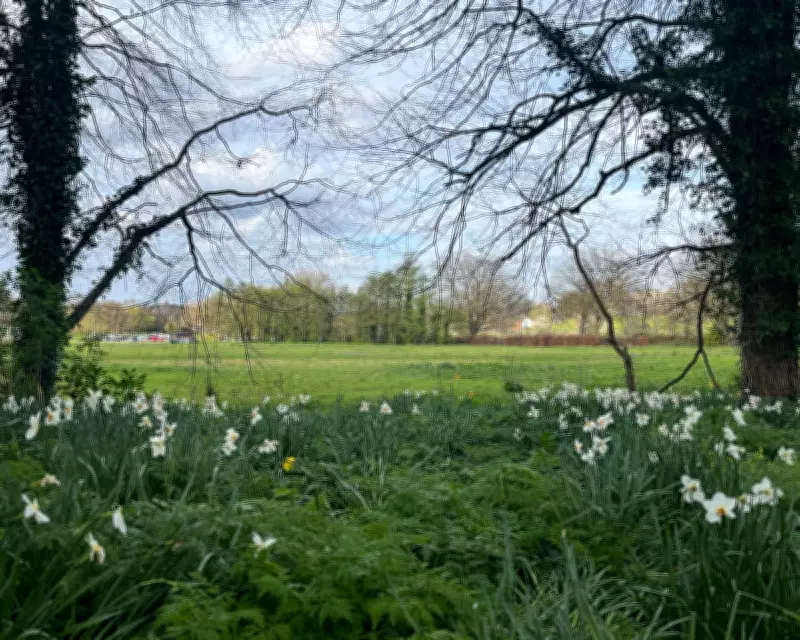
Among the many languages displayed on a poster at the entrance gate of a field in Lower Botanic Gardens, Belfast, a declaration in Ulster-Scotes stands out: This be oor fiel. This phrase, meaning "This is our field," captures the deep connection local residents feel toward this urban green space. Nestled in the heart of Belfast, close to residential areas, this council-owned meadow invites leisurely strolls and quiet reflection, as evidenced by the desire paths that crisscross its floodplain landscape.
A History of Adaptation and Service
Recently rewilded and recultivated for modern needs, this field has a rich history of responding to the demands of the times. During the Second World War, it was used to grow vegetables to support the war effort. In the postwar era, it accommodated families in prefabricated housing. Today, in subtle yet transformative ways, this cherished place continues to provide for and protect local people, serving as a vital resource in an urban setting.
Natural Flood Defence and Climate Resilience
Belfast is built on the estuarine clay of the River Lagan, which flows near the field, separated only by the narrow Stranmillis embankment. Historically, this area featured expansive tidal mudflats. With rising sea levels and increased pluvial rainfall, the region faces a high risk of flooding. In response, Belfast City Council (BCC) has committed to enhancing the city's resilience to climate change. The meadow, functioning like a sponge, absorbs rainfall and releases it slowly, providing a natural flood defence. A water-filled scrape has been dug to enhance this capacity, with its smooth surface reflecting the clouded sky above.

Community and Research Initiatives
Following the pandemic, BCC initiated an inspiring collaboration with local volunteers and Queen's University Belfast, supported by Upsurge, an EU Horizon 2020-funded programme. This partnership has revitalised a community garden on the site, where vegetables are once again being grown. Beyond produce, the garden fosters social connections and skills development, helping to "grow people" through strengthened networks. Simultaneously, the university's research garden investigates methods to improve carbon sequestration in crops and soil, contributing to environmental sustainability.
Ecological Revival and Biodiversity
The meadow itself has been restored, with fresh growth emerging from last season's grass-cut, designed to mimic the grazing of herbivores. It is now greening with bent and fescue grasses and adorned with lady's-smock flowers, creating a vibrant ecosystem. The sounds of nature, such as the two-note song of a coal tit from a nearby larch tree, echo through the area, reinforcing its value as a natural habitat.
Threat of Conversion to Sports Pitch
Despite its multifaceted benefits, this capacious and generous field is under threat. In a surprising and disheartening reversal, BCC has been debating plans to convert the meadow into a sports pitch. This proposal feels like a land grab to many in the community, jeopardising the flood protection, carbon research, and social cohesion that the field currently supports. The potential loss highlights tensions between development and conservation in urban planning.
As debates continue, the future of this hardworking meadow remains uncertain. Its role in flood mitigation, climate research, and community wellbeing underscores why it is surely worth saving for generations to come.