Wood-Burner Pollution Investigation Uncovers Concerning Indoor Air Quality Results
A health investigations writer has revealed alarming findings after monitoring indoor air pollution levels following wood-burner usage, with results that have prompted her family to reconsider how frequently they use their popular heating appliance.
Growing Health Concerns Around Trendy Heating Appliances
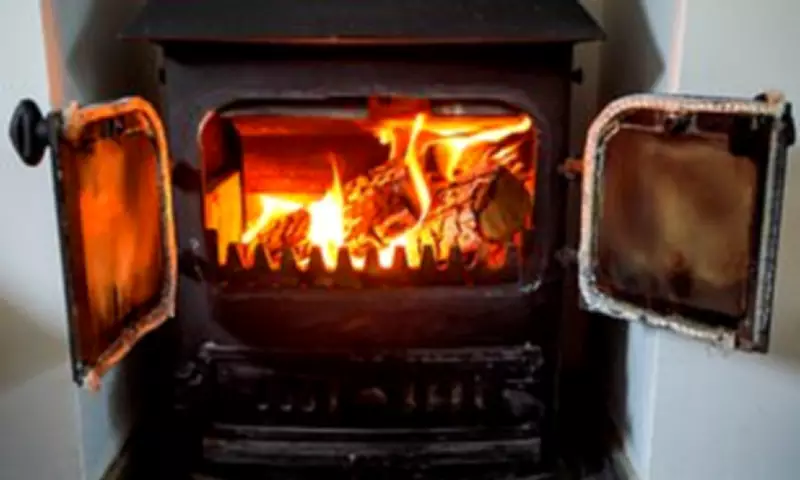
Wood-burning stoves, particularly fashionable in urban areas outside major cities, have faced increasing scrutiny after a study last year connected them to thousands of annual deaths across Britain. The appliances work by burning dry firewood in a sealed container before distributing heated air throughout rooms via blower fans.
In January, these stoves received cigarette-style health warnings following research identifying them as significant sources of particulate matter (PM) pollution. This type of air pollution has been scientifically linked to serious health conditions including dementia, cardiovascular disease, and respiratory illnesses.

Research Reveals Significant Health Impacts
A report published last October by climate charity Global Action Plan and Hertfordshire County Council connected wood-burner pollution to approximately 3,700 diabetes cases and nearly 1,500 asthma cases annually across the country. Just months later, the government proposed mandatory warning labels for these appliances outlining potential health harms including lung cancer risks.
Despite growing awareness and a shift toward ceramic alternatives marketed as healthier options, many households continue using traditional wood-burners. Hannah Healey's parents, residing in rural Cornwall, typically operate their stove during winter months for warmth and comfort.
Detailed Air Quality Monitoring Experiment
As a health investigations writer for consumer organization Which?, Ms Healey conducted a five-day air quality assessment in her parents' living room using specialized monitoring equipment. She measured concentrations of PM2.5 and PM10 particles, expressed in micrograms per cubic metre (µg/m3), to determine exposure levels during wood-burner operation.
PM2.5 particles have been associated with numerous serious health problems including stroke, cardiovascular disease, lung cancer, and chronic respiratory infections. Short-term exposure effects can include coughing, breathing difficulties, headaches, eye and throat irritation, skin problems, allergies, and acute lower respiratory infections.
Concerning Pollution Spikes During Operation
The monitoring revealed dramatically elevated PM2.5 levels during wood-burner usage compared to non-operational periods. During burning intervals, readings ranged from 4.91µg/m3 on the first day to 11.94µg/m3 on the fifth day, exceeding 11µg/m3 on three of the five monitored days.
By contrast, pollution levels remained below 1µg/m3 on four out of five days when the appliance wasn't in use, with a maximum reading of 1.74µg/m3 recorded on the final day. The investigation documented particularly sharp pollution spikes immediately after stove ignition.
On one evening, PM2.5 levels measured between 0µg/m3 and 1µg/m3 before wood-burner activation. After lighting at 7:10pm, pollutant concentrations averaged 16.24µg/m3, gradually decreasing to 10.07µg/m3 between 9pm and 10pm. The study's highest recorded pollution level reached 24.46µg/m3.
Health Experts Express Ongoing Concerns
While World Health Organization guidelines recommend maintaining average PM2.5 exposure below 15µg/m3 over 24-hour periods, experts caution that even lower pollution levels can cause adverse health effects. Professor James Allan, air pollution measurement specialist at the University of Manchester, emphasized that particulate matter from wood burning represents a particularly harmful pollutant form.
Dr James Heydon, associate professor at the University of Nottingham's School of Sociology and Social Policy, explained that PM2.5 particles can enter the bloodstream, potentially causing inflammatory responses throughout the body and resulting in significant health damage.

Family Adjusts Usage Patterns Based on Findings
Ms Healey concluded that while definitive harm levels remain uncertain, the monitoring results have prompted her family to reconsider their wood-burner usage frequency. They've decided against nightly operation, instead reserving the appliance for special occasions rather than daily heating.
The family's decision reflects growing awareness about potential health risks associated with even low-level daily PM exposure from wood-burning appliances.
Government Regulations and Industry Response
Recent months have seen tightened restrictions and guidelines introduced for wood-burners across Britain. Beyond mandatory warning labels, ministers proposed reducing smoke emission limits by 80 percent to one gram per hour. However, these stricter standards would apply only to new appliances, many of which already comply with the proposed limits.
Air Quality Minister Emma Hardy stated that dirty air compromises public health while costing the National Health Service millions annually for treating respiratory conditions. The government aims to empower families to make healthier heating choices through emission limits and clearer labeling.
Despite these measures, campaigners argue proposed restrictions don't go far enough, with predictions suggesting they might reduce annual toxic emissions from wood burning by just 10 percent over the coming decade.