Global Study: Extreme Wildfire Weather Days Have Tripled in 45 Years
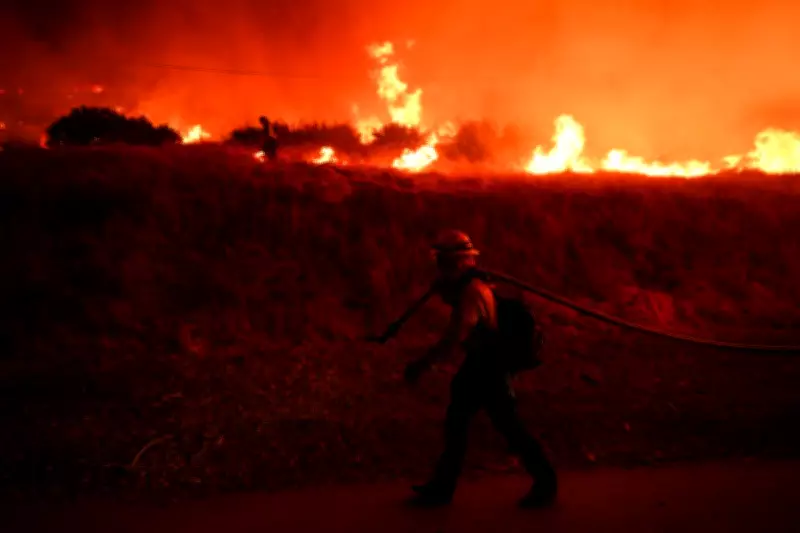
A groundbreaking new study published in the journal Science Advances has revealed a dramatic and alarming increase in the frequency of weather conditions that fuel extreme wildfires across the globe. The research indicates that the number of days each year characterized by hot, dry, and windy weather—prime conditions for sparking and spreading devastating wildfires—has nearly tripled over the past 45 years.
Synchronous Fire Weather on the Rise
The study, led by researchers from the University of California, Merced, specifically examined synchronous fire weather days. These are days when multiple large regions around the world simultaneously experience the dangerous combination of warmth, strong winds, and low humidity that creates tinderbox conditions. This synchronisation poses a severe new challenge for global firefighting efforts.
In the period from 1979 to 1994, the world averaged approximately 22 such synchronous fire weather days per year. By the years 2023 and 2024, that figure had skyrocketed to more than 60 days annually—a staggering increase that underscores the escalating threat.

The Overwhelming Role of Human-Caused Climate Change
Perhaps the most critical finding of the research is the direct link to anthropogenic climate change. The study's authors calculated that more than 60% of the global increase in these high-risk fire weather days can be attributed to human activities, primarily the burning of fossil fuels like coal, oil, and natural gas.
"We used computer simulations to compare the real-world data from the last 45 years to a hypothetical world without the increased greenhouse gases from burning fossil fuels," explained study lead author Cong Yin, a fire researcher at UC Merced. "The results clearly point to climate change as the dominant driver."
Regional Impacts and a Strained Global Response
The trend is not uniform, with some regions experiencing far more dramatic shifts than others. The research highlights particularly severe increases in the Americas:
- Continental United States: The average number of synchronous fire weather days rose from 7.7 per year (1979-1988) to 38 days per year in the last decade.
- Southern South America: This region saw the most extreme jump, soaring from an average of 5.5 days per year to 70.6 days per year over the same comparative periods, including a peak of 118 days in 2023.
"These sorts of changes increase the likelihood in a lot of areas that there will be fires that are going to be very challenging to suppress," said study co-author John Abatzoglou, a fire scientist at UC Merced.
Mike Flannigan, a fire scientist at Thompson Rivers University in Canada who was not involved in the study, emphasized the strategic crisis this creates. Regions that historically had fire seasons at different times, allowing for the sharing of firefighting resources like aircraft and personnel, are now seeing those seasons overlap. "And that’s where things begin to break," Abatzoglou noted, warning that countries may find themselves overwhelmed and unable to assist neighbours battling their own simultaneous blazes.
Understanding the Fire Weather Equation
The researchers stress that their study focused specifically on the weather conditions conducive to fire, not on the actual incidence of fires themselves. "It increases the likelihood of widespread fire outbreaks, but the weather is one dimension," clarified lead author Cong Yin. The other essential ingredients for a wildfire—oxygen, combustible fuel like trees and brush, and an ignition source such as lightning, arson, or human accident—must also be present.
Nevertheless, extreme fire weather is recognized as the primary factor in escalating fire impacts globally. The study found that only one of the 14 global regions analysed, Southeast Asia, saw a decrease in synchronous fire weather days, likely due to increasing humidity in that area.

This comprehensive analysis serves as a stark warning: as the planet continues to warm due to climate change, more of the world will become simultaneously prone to ignition, testing the limits of international disaster response and threatening ecosystems, property, and lives on an unprecedented scale.