
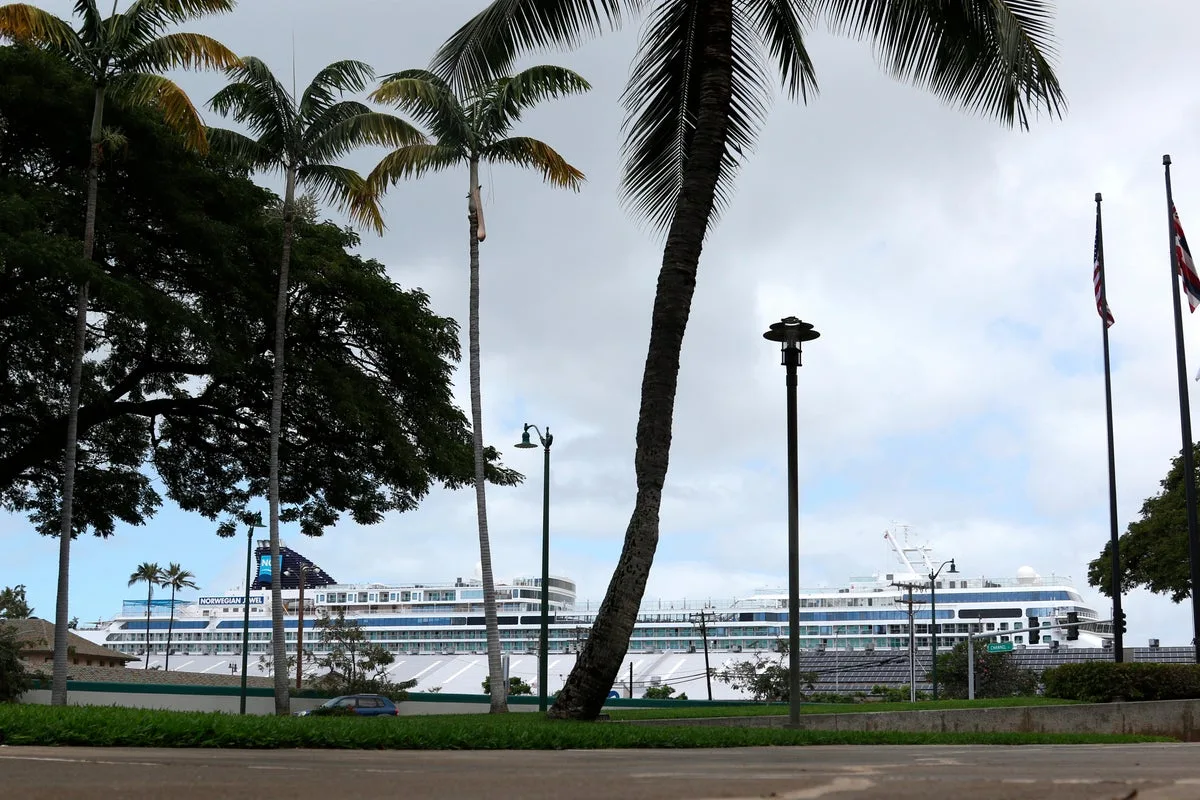
A federal appeals court ruling on New Year's Eve blocked Hawaii from enforcing a climate change tourist tax on cruise ship passengers, a levy that was set to take effect at the start of 2026. The order by two 9th U.S. Circuit Court of Appeals judges granted an injunction pending the appeal.
The Cruise Lines International Association challenged the tax in a lawsuit, arguing that the law violates the U.S. Constitution by taxing cruise ships for entering Hawaii ports and would make cruises more expensive. The lawsuit noted that the law authorises counties to collect an additional 3% surcharge, bringing the total to 14% of prorated fares.
The levy increases rates on hotel room and vacation rental stays and imposes a new 11% tax on the gross fares paid by a cruise ship passenger, prorated for the number of days the vessels are in Hawaii ports. Hawaii Governor Josh Green signed the legislation in May, making it the nation's first such levy to address climate change. Officials estimate the tax would generate nearly $100 million annually to deal with eroding shorelines, wildfires and other climate problems.
U.S. District Judge Jill A. Otake upheld the law last week, but the plaintiffs and the U.S. government appealed. The 9th Circuit order temporarily halts enforcement of the law on cruise ships while the appeals process moves forward. Toni Schwartz, a spokesperson for the Hawaii attorney general's office, said: 'We remain confident that Act 96 is lawful and will be vindicated when the appeal is heard on the merits.'




