
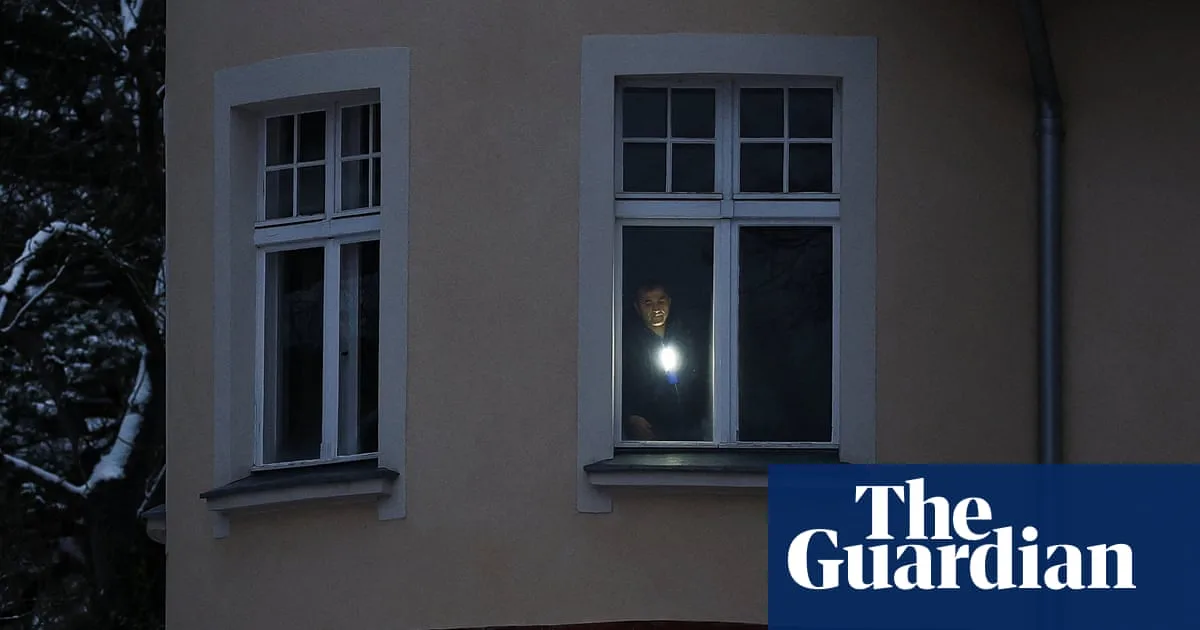
A left-wing militant group known as Vulkangruppe (Volcano Group) has claimed responsibility for an arson attack on a power grid in Berlin, cutting electricity to tens of thousands of homes. The fire broke out on a bridge across the Teltow Canal in the south-west of the capital early on Saturday, damaging several high-voltage cables. The grid company Stromnetz Berlin said up to 35,000 homes and 1,900 businesses could remain without power—and in many cases heat—until 8 January.
In a 2,500-word pamphlet deemed credible by police, the group said it had targeted some of the city’s wealthiest districts to “cut the juice to the ruling class”. It condemned a “greed for energy” produced by high-emission fossil fuels, calling the attack an “act of self-defence and international solidarity”. The group also criticised data centres used for artificial intelligence, saying they exacerbate climate-damaging energy consumption and create societal dangers.
The affected area includes elderly care homes, hospitals, and high-rise buildings with residents reliant on lifts now out of order. Berlin experienced moderate snowfall over the weekend, with night-time temperatures falling well below freezing. Berlin’s mayor, Kai Wegner, said he was convinced the blackout had a political motive, calling it unacceptable that left-wing extremists were endangering lives. Police used loudspeakers to inform the public as mobile networks were down.
Stromnetz Berlin initially reported 45,000 households and 2,200 businesses affected. By Sunday midday, about 10,000 households in Lichterfelde had their electricity restored, but cold weather hampered efforts to lay new underground cables. The remaining households may have to wait until Thursday afternoon for power and heating to be fully restored. A previous arson attack attributed to the far left in September knocked out electricity for 60 hours in south-east Berlin, the longest power cut since the Second World War.




