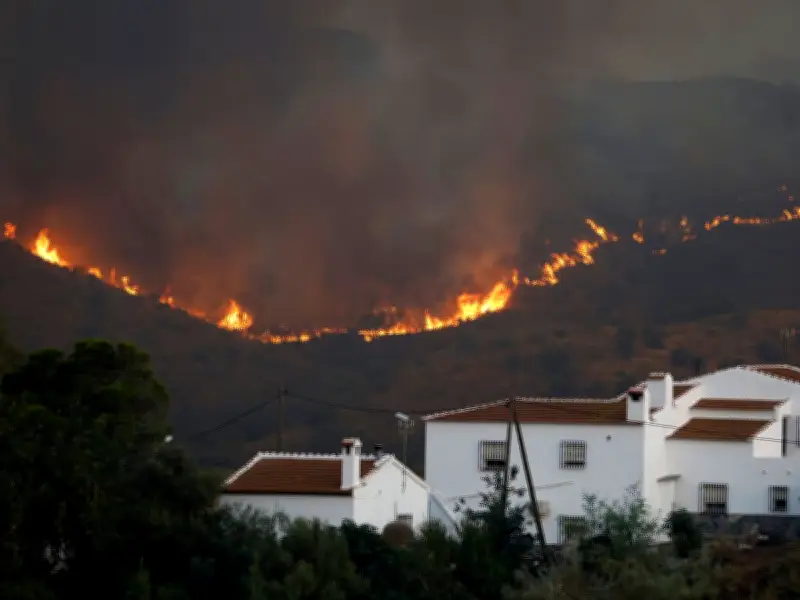
At least 12 people have been killed and 23 others are missing after a fast-moving wildfire swept through the Los Gallardos area in the Almería province of Andalusia, southern Spain, during a severe European heatwave. The blaze broke out on Thursday afternoon, July 9, 2026, with temperatures reaching around 40°C, and spread at a terrifying rate of up to 100 metres per minute at its peak, according to fire crews.
Victims and Evacuations
Most of the confirmed dead are believed to be foreign nationals and expats who owned holiday homes in the region. Authorities reported that many victims were caught while trying to flee after they ignored or did not receive instructions to shelter in place as the firestorm closed in. In one of the most devastating discoveries, four victims were found incinerated inside a single right-hand-drive car, while another seven people reportedly died on foot after abandoning their vehicles when roads were cut off by walls of flame. At least eight people remain in hospital with severe injuries.
More than 1,400 residents have been evacuated across 11 municipal zones, with the destruction centred around the hamlet of Bédar, just outside Los Gallardos near the Sierra de Los Filabres mountains. Around 6,600 hectares—about 25 square miles—of land has been scorched, including scrubland and farmland.
Images of Devastation
Heartbreaking photos from the scene show scorched homes, blackened hillsides, and desperate residents fleeing as flames swallowed everything in their path. Firefighters continue to battle the blaze, hoping to prevent further loss of life. The images captured by Getty Images, AP Photo, EPA, and AFP show burnt vehicles, destroyed houses, and the charred landscape in Bédar village.
Ongoing Efforts
Fire crews are working tirelessly to contain the wildfire, which has already claimed numerous lives and caused widespread destruction. The Spanish authorities have not yet released an official statement on the cause of the fire, but the extreme heatwave conditions are believed to have contributed to its rapid spread.