Australian Ministers Held Over 20 Meetings with Japanese Gas Companies During Lobbying Campaign
Australian government ministers engaged in more than twenty meetings with executives from Japanese liquefied natural gas (LNG) companies during the last parliamentary term, as the Labor administration actively encouraged investment in the fossil fuel sector. This extensive series of interactions is documented in a comprehensive report by the thinktank InfluenceMap, which argues that Japanese LNG firms have collaborated with Australian gas interests to lobby for favourable government policies. The objective appears to be prolonging the lifespan of the carbon-intensive industry and slowing the shift towards clean energy across the Asia Pacific region.
Japanese Investment and Emissions Impact in Australia
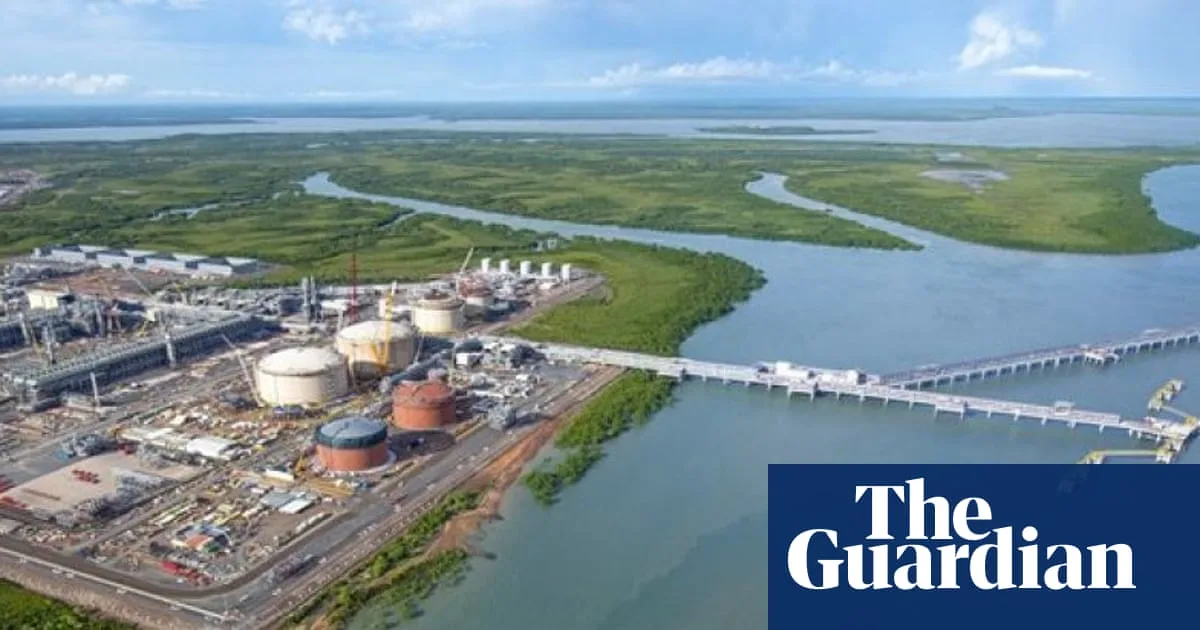
InfluenceMap has quantified the significant role played by Japanese operators in developing and sustaining Australia's lucrative LNG export industry. Major companies, including Inpex, Jera, Mitsubishi, and Mitsui, hold equity exceeding A$70 billion across thirteen Australian LNG developments. These projects collectively represent approximately 17% of global LNG capacity, with the largest investment centred on the Ichthys gas field development in the Timor Sea, primarily backed by Inpex.
Based on projected output, InfluenceMap estimates that these thirteen developments could be associated with a staggering 290 million tonnes of carbon dioxide emissions annually. This figure is equivalent to about two-thirds of Australia's total yearly climate pollution, highlighting the substantial environmental impact of these investments.
Lobbying Efforts and Policy Influence
The thinktank found that Japanese interests have worked both publicly and privately to maintain a favourable policy environment for gas in Australia. Freedom-of-information documents revealed that Resources Minister Madeleine King met with Japanese LNG representatives at least seventeen times. Four other ministers, including Prime Minister Anthony Albanese, who met with Inpex representatives, were listed as having single meetings, with at least three additional meetings held with senior officials.
InfluenceMap noted that weak Australian lobbying transparency rules likely mean further meetings occurred but were not captured in document requests. The lobbying appears to have shaped key climate and energy policies, notably the "future gas strategy" released by Minister King in 2024. This strategy asserted that new gas sources would be needed "to 2050 and beyond" to meet demand, despite both Australian and Japanese governments committing to net zero emissions targets.
Government Justifications and Criticisms
Japan, with limited domestic energy access, relies heavily on imports, including Australian gas and coal. Both governments argue that increased gas supply is necessary to help Japan cut emissions by replacing coal-fired power and supporting renewable energy integration. However, leaked "cabinet in confidence" advice to the Western Australian government challenged this notion, warning that unlimited Australian gas exports to Japan and neighbouring countries risked slowing the transition to cleaner energy in Asia.
A separate report by the Institute for Energy Economics and Financial Analysis found that Japanese companies resold more than a third of the gas purchased from Australia, reaping over $1 billion in profit in 2024. Critics, including Labor backbencher Ed Husic, argue this shows Japanese multinationals are profiting from Australian gas not needed for domestic energy demand in Japan.
Industry Responses and Environmental Concerns
Documents released to InfluenceMap show Inpex and Jera disputed these claims in meetings with officials, stating that LNG demand and inventory levels "fluctuate in real-time" and companies purchase a "supply buffer" to ensure stable energy supply, aligning with Japanese government policy. They asserted most resales to third countries came from this buffer.
Jack Herring, InfluenceMap's Australia program manager, warned that Japanese LNG investment and lobbying risk locking in fossil fuel dependence across the region, delaying the shift to genuinely clean energy. He noted that claims of gas as a "transition fuel" contradict evidence from the Intergovernmental Panel on Climate Change, which both governments have endorsed. Herring emphasised the increasing importance of the Australian government working towards a just, orderly, and equitable transition away from fossil fuels.

Political and Regulatory Implications
A spokesperson for Minister King stated that Japan has been a "strong and valued investment partner for Australia's offshore LNG industry" and that the minister "met regularly with resources sector stakeholders as part of her role." InfluenceMap's research found Inpex had twice as many meetings with senior government figures as other Japanese gas companies.
Bill Townsend, a senior vice-president at Inpex, said the company advocates for "stable and predictable policy settings" with streamlined development approval processes and "reduced red – and green – tape." Townsend added that Inpex is "working to support Indo-Pacific energy security" while helping the region achieve net zero by 2050, with plans to introduce carbon capture and storage at Ichthys from around 2030 and participation in renewable energy projects through Potentia Energy.
Independent MP Monique Ryan highlighted the clear scientific consensus on cutting climate pollution, stating that InfluenceMap's analysis helps explain why the Australian government "continues to act as an enabler" for Japanese gas companies. She reinforced the need for more transparent regulation of corporate lobbying and for the government to act in the best interests of Australian citizens rather than Japanese companies and their industry associations.



