A new ranking of Europe's top ten most walkable cities reveals Italy as the ultimate destination for pedestrians, claiming four spots including the top two. The study by travel insurer goodtogo assessed factors such as average elevation, distance between main attractions, and the number of parks and plazas in city centers.
Venice Leads as Most Walkable City
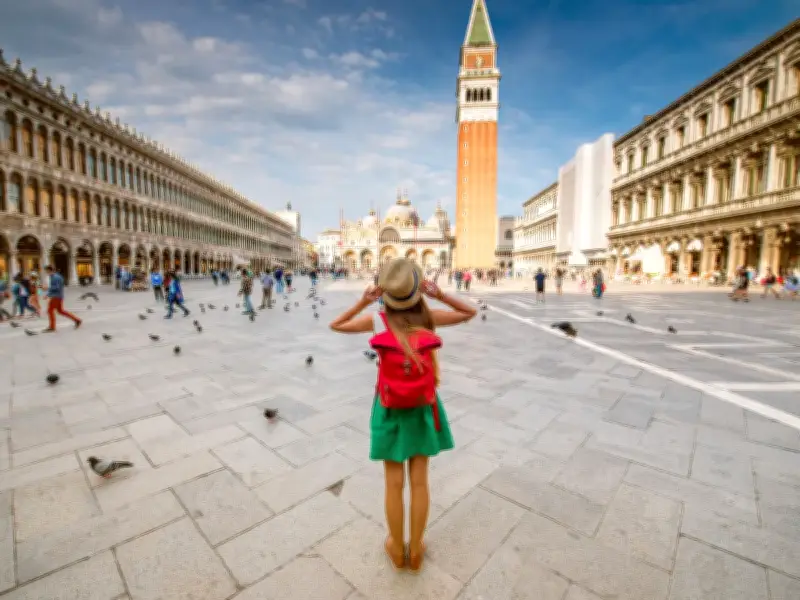
Venice secured the number one position, thanks to its compact, car-free historic center and abundant relaxed plazas. Tourists can walk from one end of the city to the other in about 45 minutes at a leisurely pace. Key attractions like St Mark's Basilica, the Doge's Palace, and the Grand Canal are all within easy walking distance of each other.
Florence and Rome Follow
Florence came in second, featuring a compact, almost entirely flat historic center that makes navigating between top attractions effortless. Rome ranked fourth, with major sights like the Trevi Fountain, Pantheon, and Piazza Navona centrally located, though the city's sprawling layout and winding cobbled streets beyond tourist areas can pose challenges.

Milan's 15-Minute City Initiative
Milan took sixth place, benefiting from its 15-minute city initiative that prioritizes walking and cycling. Like Venice and Florence, its historic center is compact, with main tourist hotspots clustered together.
Non-Italian Cities in the Top 10
Berlin ranked third, boosted by its 2,500 parks and green spaces. Stockholm came fifth, aided by low elevation and ample outdoor relaxation spots, though it had the largest distance between major attractions on the list, potentially requiring metro use for full-day sightseeing. Other cities in the top ten include Athens (7th), Lisbon (8th), Paris (9th), and Istanbul (10th).
Least Walkable Cities
Budapest was ranked the least walkable city in Europe. While the Pest side is flat with pleasant walks along the Danube, the Buda side is significantly hillier. Distances between sites like Heroes' Square and the Parliament buildings can take 45 minutes to an hour on foot, though cheap, reliable public transport is available. Vienna, Madrid, Warsaw, and Barcelona also ranked low for walkability.
Surprising Low Rankings for Spanish Cities
Madrid and Barcelona surprisingly placed near the bottom. Madrid's high elevation and few outdoor spaces contributed, while Barcelona's sprawling layout and significant distances between top attractions can lead to tired feet.
Expert Insight
Maria Hughes, lead travel writer at goodtogo, commented: “If you’re trying to squeeze as much into a short trip as possible, wondering whether you will need to rent a car, or worried about your mobility, you will need to consider how easy it is to get into and around your destination on foot. Practicality isn’t the only factor however, as walking around a city is often the best way to fully immerse yourself into its culture, experience local life, and discover hidden gems you may otherwise have missed.”