
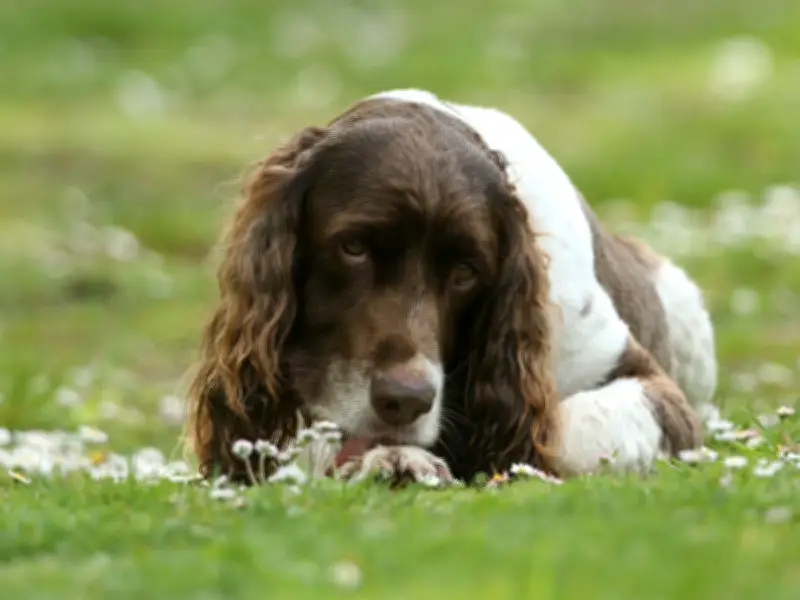
Dog owners should be alert to signs of hay fever in pets, as the symptoms often manifest differently in animals than in humans. PDSA Vet Olivia Anderson-Nathan shared advice with the Met Office, which produces a pollen forecast for the UK.
Symptoms Differ From Humans
The animal welfare expert told the weather service that animals can experience pollen allergies like their owners, but the symptoms are often different. Olivia explained that symptoms commonly seen in humans, such as a runny nose and watery eyes, are much rarer in pets.
However, there are symptoms that could signal your dog is allergic to pollen. The vet urged pet owners to look out for pets with any of the following signs:
- Licking or biting their paws
- Excessive scratching
- Redness of the skin, especially around the eyes and ears and in between the paws
- Shaking their head
- Rubbing their ears or muzzle
- Tired or lethargic
When to Consult a Vet
Olivia told the Met Office: "If you notice your pet showing any of these signs, particularly during summer, take them to your vet. Some of the symptoms above can also be signs of other health issues, so your vet might want to rule these out before treating your pet for allergies."
"If an allergy is diagnosed, we don’t always know what the cause is. However, if it is seasonal (worse in summer and better in winter) then that usually means it is at least partly due to pollen."
Treatment and Management
When a vet diagnoses an animal with an allergy, they may recommend medicine to help reduce the pet's symptoms. "Because your pet might have allergies to more than one thing, your vet might also advise you try a food-elimination trial to rule out an allergy to anything in their diet."
"Your vet can give you specific advice and support on how to do this, as it’s not always as simple as just switching to a different food – a specialist prescription diet must be fed exclusively," Olivia added.
The vet said pet owners should always speak to their vet before turning to home remedies or medications. Dogs may be affected by tree pollen, so their allergies are typically worse between March and April. It could also be grass pollen, which peaks in May, June, and July, or flowering weeds, which affect pets in June, July, and August.
Keeping Dogs Active
Olivia said it is still important for pets with allergies to enjoy their regular walks. However, if your dog has an allergy, it is advised to wipe their paws and muzzle after every walk.




