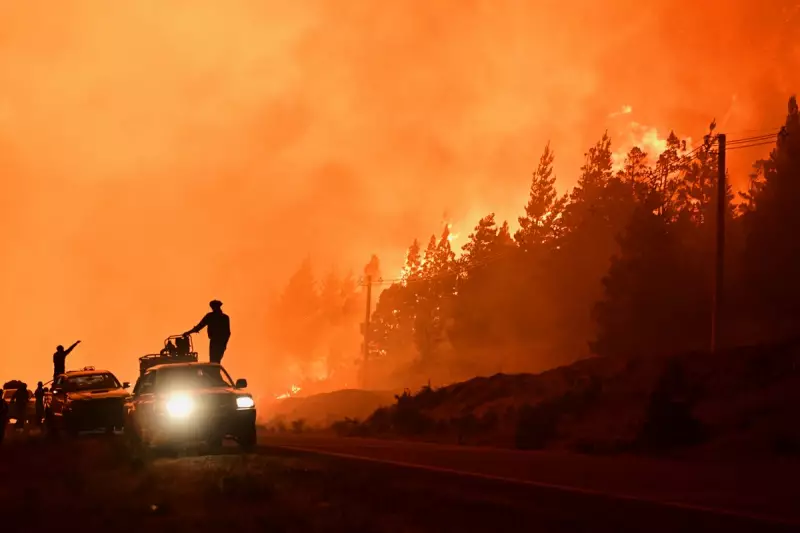
Fierce wildfires are tearing through the southern Argentine region of Patagonia, scorching nearly 12,000 hectares of land and placing local communities and infrastructure in grave danger.
Communities and Critical Infrastructure Under Threat
According to a report from firefighting authorities published on Sunday, 11 January 2026, the blazes have ripped through scrubland as well as planted and native forests. The fires, which ignited almost a week ago in the Andean region of Chubut province, are directly threatening a local power plant, a school, and numerous rural properties.
The exact causes remain under investigation, but Chubut Governor Ignacio Torres stated on Thursday that there are indications one of the largest active fires was started deliberately. "The wretches who started the fire are going to end up in jail," Torres declared, announcing a reward of 50 million pesos (around $34,000) for information leading to those responsible.

Firefighting Efforts and Regional Impact
Firefighting operations are a monumental challenge. 295 firefighters have been deployed, supported by 15 aerial resources, fire engines, and logistical aid from the Argentine Armed Forces, as confirmed by executive branch spokesperson Manuel Adorni on Sunday.
The situation is emotionally taxing for responders. Volunteer firefighter Jorge Aranea, battling the flames in El Hoyo on Friday, expressed his despair: "It’s sad to see everything burning. And sometimes you do what you can and it’s not enough. What’s happening is terrible."
Efforts have been severely hampered by persistent drought conditions and powerful winds, while massive smoke columns have reduced visibility for emergency crews. The crisis has prompted an offer of assistance from Chilean President Gabriel Boric, who extended help via social media on Saturday.
A Recurring and Worsening Crisis
This disaster strikes just one year after the worst blazes in decades devastated tens of thousands of hectares in Patagonia, destroying dozens of homes and claiming a life. While fires in the provinces of Santa Cruz and Río Negro have reportedly been contained, they remain under emergency status. Active wildfires are also burning in the neighbouring Patagonian province of Neuquén, according to the Federal Emergency Agency.
Wildfires are a common occurrence during the austral summer months from December to March, driven by the lethal combination of high temperatures, strong winds, and drought. This latest event underscores the escalating environmental and humanitarian challenges facing the region.