Kenya's Drought Crisis: Millions Face Hunger as Livestock Perish
Kenya Drought: Millions Hungry as Animals Die

Kenya's Drought Crisis: Millions Face Hunger as Livestock Perish

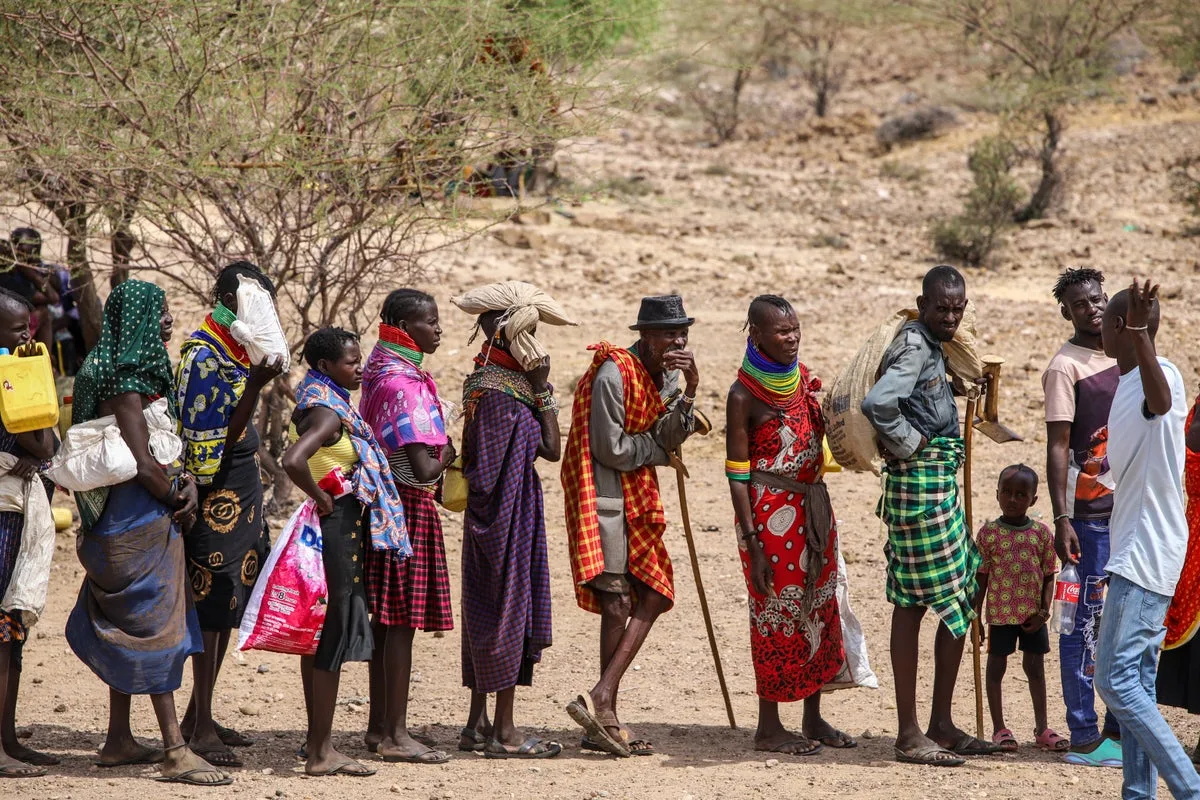
Drought conditions have left over 2 million people confronting severe hunger in parts of Kenya, with cattle-keeping communities in the northeast bearing the brunt of the crisis, according to reports from the United Nations and other agencies. The situation has escalated dramatically in recent weeks, with shocking images of emaciated livestock in arid areas near the Somali border highlighting the dire consequences of climate change in the region.

Historical Context and Current Severity

In recent years, rainy seasons have become shorter for many communities, leaving them exposed to prolonged drought. Typically, animals are the first casualties in such conditions, and the current livestock losses echo the devastating period between 2020 and 2023, when millions of animals died across a region stretching from Kenya into Ethiopia and Somalia. At that time, a predicted famine in Somalia was narrowly averted by a surge in international aid, underscoring the ongoing vulnerability of the area.

The Horn of Africa, which juts into the Indian Ocean, has now endured four consecutive failed wet seasons. The October to December wet season was one of the driest ever recorded, according to the U.N. health agency. Due to the brief and insufficient rains, parts of eastern Kenya experienced their driest conditions during that season since 1981, exacerbating the humanitarian crisis.

Regional Impact and Classifications

Approximately 10 counties in Kenya are currently experiencing drought conditions, as reported by the National Drought Management Authority. The northeastern county of Mandera, which borders Somalia, has reached the "alarm" classification, indicating critical water shortages that have led to widespread livestock deaths and child wasting. This classification signals an urgent need for intervention to prevent further loss of life and livelihoods.

The suffering extends beyond Kenya's borders, affecting Somalia, Tanzania, and even Uganda, where similar weather patterns and water shortages threaten many communities. The World Health Organization noted in late January that these nations are grappling with comparable challenges, highlighting the regional scale of the crisis.

Humanitarian Consequences and Displacement

In southern Somalia, an assessment by the Islamic Relief aid group revealed "shocking food shortages as families flee the region’s worsening drought." Somalia, long vulnerable to drought conditions, has seen over 3 million people displaced from their homes, seeking refuge in camps for internally displaced persons. However, support remains inadequate, with 70% of those displaced in the city of Baidoa surviving on one meal a day or less, according to Islamic Relief. The group added that children in these camps are "showing visible signs of malnutrition and wasting," painting a grim picture of the human toll.

Climate Change as a Driving Force

Experts attribute much of the current crisis to climate change. The Indian Ocean has warmed significantly, fueling more destructive tropical storms in recent years, while drought conditions have become longer, more intense, and more severe. This dual impact is devastating for Africans whose economies rely heavily on rain-fed agriculture, making them particularly vulnerable to extreme weather events. Many farmers report that rising temperatures are denying livestock pasture and killing crops, further straining food security.

Africa is especially susceptible to extreme weather due to its limited capacity to prepare for natural disasters. Despite contributing only 3% to 4% of global emissions, according to the U.N., the continent is among the most exposed to the effects of climate change. This disparity underscores the need for global action to address both the immediate humanitarian needs and the underlying environmental challenges.




